Exercise temporarily increases DHT levels, but this is unlikely to cause significant hair loss. Finasteride and minoxidil are effective treatments to manage hair loss.
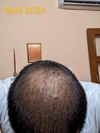
The user shared progress pictures after two months of using topical Minoxidil and just started Finasteride, feeling optimistic about hair regrowth. They are happy with the progress and plan to continue treatment, hoping for further improvement.
A 29-year-old shares progress on hair recovery using a daily liposomal topical mix of finasteride and minoxidil, iRestore device, and several vitamins. They report no side effects from the topical treatment, unlike previous issues with oral finasteride.
A user shared their 8-month progress using dutasteride 0.5 mg and oral minoxidil 2.5 mg for hair loss, expressing disappointment with the results and considering increasing the dosage. Other users advised patience, suggesting that improvements can continue over time, and recommended consulting a dermatologist before making changes.
A user shared their positive experience with a clinical trial for a new oral medication, VDPHL01, which is a reformulated version of oral minoxidil taken at a high dose of 17mg daily, showing significant hair regrowth after six months. The user noted that this formulation is believed to be more effective and time-released, with fewer side effects compared to regular oral minoxidil.
The user experienced hair shedding after using finasteride and topical minoxidil since August 2024, and briefly adding oral minoxidil in early 2025. They suspect the shedding might be due to the oral minoxidil, a bad batch of finasteride, or a normal shedding cycle, and are also experiencing an itchy scalp and acne.
The conversation is about a user whose insurance switched their prescription from finasteride to dutasteride, and they are considering whether to appeal the decision or continue with dutasteride. Other users suggest that both medications are affordable without insurance and that dutasteride may be more effective long-term.
A 20-year-old male experienced significant hair regrowth after 6 months using oral dutasteride, topical minoxidil, and tretinoin. He noted side effects like occasional watery semen, lower libido, better erections, and no more acne.
The user experienced significant hair regrowth using finasteride, minoxidil, and other treatments but faced side effects like reduced libido and erectile issues. They are considering switching to Adgain Plus to improve hair health without affecting sexual health.
A user is developing a tool to track hair density, aiming to help those using treatments like minoxidil. They seek feedback on the tool's usefulness and are considering a low-cost model to cover expenses.
PP-405, a potential hair loss treatment, shows promise in stimulating dormant hair follicles and may help with various hair loss types. Current treatments like Minoxidil are still recommended as PP-405 is in early trials and may take years to become available.
The user shared their 3-month progress using 2.5mg oral minoxidil, 0.5mg dutasteride, 5mg biotin, and a saw palmetto, green coffee, and menthol shampoo, reporting no hair shedding and some unwanted hair growth on the beard and back. They recommend starting with finasteride or dutasteride, especially for those under 18, and noted no side effects from their treatment.
Finasteride is reported to work for 90% of men, but online opinions often claim it doesn't work. A user mentioned it can increase hair count by 40% per square centimeter.
Dutasteride and oral minoxidil are not effectively stopping hair loss for the user, despite trying various treatments including ketoconazole shampoo. Suggestions include increasing dosages, considering alternative treatments, and consulting a doctor.
The conversation discusses a user's experiment with using hot water and a dermastamp to reduce hair loss, improve dandruff, and promote new hair growth. The user advises caution and mentions not sharing photos until more progress is visible.
A 23-year-old shares progress in hair quality after 4 months using dutasteride, topical minoxidil, and other treatments, noting improved crown thickness but persistent temple thinning. They switched from finasteride to dutasteride due to side effects and started testosterone replacement therapy, which they believe helps mitigate side effects.
L'Oréal Garnier discontinued their stemoxydine serum, raising concerns about the authenticity of products still sold online. Alternatives suggested include other brands' stemoxydine products, though some believe stemoxydine is ineffective.
Finasteride significantly lowers allopregnanolone levels, while dutasteride's effect is less clear and may vary. Some users speculate that dutasteride might be healthier for the brain due to its different inhibition pathways.
The user experienced hair loss and used Minoxidil and Finasteride to improve hairline and density, but stopping Minoxidil led to a setback. They plan to continue both treatments daily to increase hair density and are considering applying Minoxidil to the entire scalp.
A poem humorously suggests hope for a new hair loss treatment, PP405, while users debate the effectiveness and side effects of current treatments like Finasteride. Concerns are raised about Finasteride's side effects, especially for young users, and skepticism about new treatments is expressed.
A user shared their positive experience using topical finasteride and minoxidil for nine months to combat male pattern baldness, reporting healthier and thicker hair without side effects. They recommend these treatments but advise researching potential side effects and consulting a professional.
PP405 is considered a promising potential cure for hair loss, with phase 2 trial results expected in February 2025. Hair cloning is also discussed as a potential ultimate solution, despite significant scientific challenges.
Dutasteride 0.5mg daily led to significant hair regrowth in 3 months, with minimal side effects like slight pelvic pain and increased libido. The user switched from Finasteride to Dutasteride, noticing reduced hair shedding and improved hair condition.
The user improved diffuse thinning without finasteride by using minoxidil foam, cold showers, gentle hair drying, 2% ketoconazole, sulfate-free tea tree oil shampoo, dermastamping, and supplements like Omega-3, Vitamin-D, Biotin, Keratin, Collagen, B3, Zinc, and Magnesium. The regimen was followed for about six months under dermatologist guidance.
A 22-year-old man experienced significant hair loss after stopping minoxidil and finasteride, causing emotional distress. He resumed these treatments and is considering dutasteride and microneedling to manage his hair loss.
A user shared their haircare routine for hair loss, which includes washing with Nizoral, using Minoxidil and Finasteride, and seeking advice for better results. Other users discussed their own routines, including the use of vitamins, red light therapy, and varying dosages of Finasteride, with some expressing concerns about the harshness of Nizoral and the potential side effects of treatments.
Minoxidil with alcohol and propylene glycol was more effective than non-alcohol versions, and RU58841 worked best in a non-water-based solution. Oral finasteride showed better results than topical, despite side effects; microneedling and tretinoin worsened hair loss, and PRP was only helpful when younger.
The conversation humorously discusses hair loss treatments, focusing on the use of finasteride and dutasteride, with some users debating the effectiveness and cost of different dosages. Some users mention using topical minoxidil and express concerns about side effects and availability of higher doses.
Minoxidil can help with hair regrowth, especially when combined with finasteride, but it doesn't address the root cause of androgenic alopecia. Finasteride is often recommended as the primary treatment, with minoxidil as a supportive option.
The user experienced severe side effects from finasteride, including anxiety and libido issues, and is currently using topical minoxidil and microneedling. They are considering trying dutasteride but are concerned about potential side effects.