A 20-year-old is considering switching from finasteride to dutasteride during a steroid cycle to better manage hair loss, then returning to finasteride afterward. They are concerned about the risks of post-finasteride syndrome from frequently changing medications.
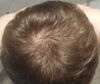
A 20-year-old male is experiencing hair thinning and has not seen results from using oral minoxidil, dutasteride, ketoconazole shampoo, and GHK-Cu. He is seeking alternative treatments before considering a hair transplant or hair fibers.
The user switched from finasteride to dutasteride to address temple hair loss and obtained generic oral minoxidil. They are questioning the legitimacy of Camber's dutasteride compared to other options.
Topical dutasteride residue on pillows may cause ear redness and irritation. The user is concerned about a contact reaction from the treatment transferring to the pillow.
The user is experiencing aggressive hair loss and has been using minoxidil with initial success but is now seeing thinning again. They are considering starting finasteride and dermarolling while waiting for a dermatologist appointment.
The user has been experiencing hair shedding since February after starting finasteride in November 2025, with no noticeable improvement. They recently began using minoxidil to address the issue.
OP increased their dutasteride dosage from 0.1mg to 0.5mg and initially saw regrowth but is now experiencing significant hair shedding. They are concerned if this shedding is normal or if they should revert to the lower dosage.
A user is seeking a prescription for DUT (Dutasteride) after limited success with finasteride and minoxidil for hair loss. They are advised to explore telehealth services for potential prescriptions.
The user experienced significant hair regrowth using finasteride, minoxidil, and microneedling, but saw a decline after reducing treatments and stopping gym workouts. They plan to restart microneedling and consider a hair transplant in the future.
A 40-year-old user shared impressive hair regrowth results after three months using a topical spray containing minoxidil, finasteride, and ketoconazole, along with occasional dermarolling. The treatment, from the brand Hims, was effective despite initial skepticism, and the user credits the community for their support and information.
A 25-year-old male with seborrheic dermatitis and hair thinning seeks advice on the severity of his condition and treatment options. Oral finasteride and oral minoxidil are recommended as the most effective long-term treatments.
Oral minoxidil can cause rare facial bloating, especially at higher doses and in women. Reducing sodium intake, drinking more water, and adjusting the dose can help manage side effects.
The user has been using finasteride every other day and oral minoxidil for hair regrowth, noticing new baby hairs. They are hopeful about regaining hair on their temples.
Dutasteride is considered a powerful treatment for hair loss, potentially effective for decades, but its success depends on individual genetics and response. Combining Dutasteride with other treatments like Minoxidil, Finasteride, and RU58841 may enhance results, but outcomes vary.
A 30-year-old male, 19 days post-hair transplant, is experiencing normal shedding and is concerned about hair loss. He is taking Dutasteride and Minoxidil tablets daily and is advised to trust the process as shedding is a typical phase.
A user is frustrated with slow hair regrowth despite using minoxidil, finasteride, and microneedling. Others suggest trying dutasteride or oral minoxidil for potentially better results.
A person shared their hair regrowth journey using HIMS topical treatments with finasteride, minoxidil, hormone replacement therapy (HRT), and microneedling. They also discussed their transition as a transgender woman and the positive impact of HRT on hair recovery.
Genetics play a major role in hair loss, with some people keeping a full head of hair into old age without using treatments like minoxidil or finasteride. Many express frustration over their own hair loss and the perceived unfairness of genetic differences.
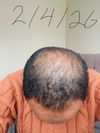
The user has been using oral finasteride daily, topical minoxidil twice a day, tretinoin once a week, and 2% ketoconazole twice a week since February 5th. They shared progress pictures showing hair improvement over two and a half months.
Switching from finasteride to a dutasteride/minoxidil pill resulted in worse hair loss for the user. They are seeking advice on the effectiveness of the product from Happy Heads.
A user shared their hair regrowth journey using finasteride, minoxidil, and later switching to dutasteride and oral minoxidil, seeking advice on the effectiveness of these treatments and the potential impact of diet changes. Other users commented on their own experiences with similar treatments, with mixed results and questions about side effects like body hair growth.
The conversation humorously speculates on whether King Thutmose IV used finasteride to maintain his hair, with references to minoxidil and other hair loss treatments. It includes jokes and satire about historical figures and hair loss.
A 40-year-old male has been using 5% minoxidil foam, 1mg finasteride, and a derma roller weekly for 2.5 months to treat hair loss. He is seeking feedback on whether the treatment is showing progress or if it's too early to tell.
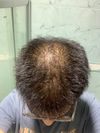
A 19-year-old is experiencing excessive hair shedding despite using minoxidil, finasteride, and dutasteride. They are seeking advice on why these treatments aren't working and if their current regimen is appropriate.
The user shared their successful hair regrowth journey using a combination of oral Dutasteride and a topical mix of Finasteride, Minoxidil, Tretinoin, and Ketoconazole. They experienced no side effects and noted significant improvement, except for one persistent thinning area.
A topical treatment called 1961, containing multiple products, is discussed for its compatibility with finasteride. It is suggested that 1961 does not negatively affect finasteride's effectiveness and may even enhance its absorption.
The conversation discusses hair loss treatments, including scalp massage, and the importance of blocking DHT for hair loss management. The user shares blood test results, which appear normal, and seeks advice on effective tests and treatments, expressing a preference for natural methods over medication.