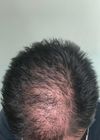
A user reports high DHT levels despite taking finasteride and is concerned about inconsistent blood test results. They also take modafinil, vitamin D, and magnesium supplements.
Clascoterone (Breezula) shows promising hair growth results, but skepticism remains due to past disappointments with new treatments. It may be a good alternative for those who can't tolerate finasteride or dutasteride, and can potentially be combined with them and minoxidil for better results.
An 18-year-old is considering splitting 5mg Finasteride pills into 1.25mg doses to save money, but is concerned about potential hormonal fluctuations and side effects due to his age. Users advise caution, suggest consulting a doctor, and recommend considering lower or less frequent doses.
The user is considering combining finasteride and minoxidil tablets into a topical solution that already includes Garnier Fructis stemoxydine and CB0103. They are seeking advice on whether this combination is effective and safe.
A personalized topical anti-hair loss serum could include high-dose setipiprant, high-dose CB 03-01, low-dose finasteride, minoxidil, latanoprost, and tretinoin. These ingredients are suggested for their potential effectiveness in promoting hair growth.
Using a low dose of topical Tamoxifen effectively reduces gynecomastia caused by finasteride, with minimal side effects. The solution involves mixing Tamoxifen with ethanol and propylene glycol, applied daily to the chest.
User gained hair with topical minoxidil and finasteride, then experienced shedding after starting pyrilutamide. After 12 weeks, new hairs grew and existing hairs thickened, hoping for more improvement in a year.
The user has been using Roman 3-in-1 topical treatment (finasteride 0.3%, minoxidil 6%, tretinoin 0.025%) and a 0.25 mm dermaroller for four months to address crown thinning. They are seeking advice on whether to continue with the current regimen, switch to oral finasteride, or try dutasteride for better results.
A 33-year-old man shares his positive hair regrowth results using 1mg finasteride daily, 5% topical minoxidil twice daily, and a 0.5mm dermaroller weekly. He feels more confident and encourages others to try the routine despite potential side effects.
A 21-year-old is experiencing aggressive hair loss and questions the effectiveness of finasteride after 45 days of use, with high DHT levels. A user advises that scalp DHT, not serum DHT, is important for hair loss assessment, and suggests monitoring hair improvement over time.
The user experienced hair regrowth using topical minoxidil and finasteride, and later added oral finasteride for maintenance. They reported no side effects and found a specific shampoo helpful for scalp issues.
A user experimenting with an extreme hair loss treatment stack of Dutasteride, RU58841, 15 mg oral minoxidil, and microneedling, which sparked a debate among other users about the safety of this approach.
An 18-year-old is using a high-dose hair loss treatment regimen including finasteride, minoxidil, dutasteride, and plans to add RU58841 and bimatoprost, despite warnings from others about the risks. The user is determined to reverse hair loss but acknowledges the potential dangers and does not recommend others follow their approach.
A 34 year old female with androgenic alopecia who has tried treatments such as Spironolactone, Desogen, Minoxidil and Finasteride in order to address her hair loss. It also details the experiences of other women taking Spironolactone for Female Pattern Hair Loss (FPHL).
Pyrilutamide, a possible hair loss treatment, ceasing to be traded due to patent laws; and the hope that this indicates it may be a legitimate treatment.
The user is considering starting Minoxidil and is looking for a topical solution to combine with it. They are confused about which product to prioritize among options like RU58841, Pyrilutamide, FinaTopic, and DutaTopic.
A 36-year-old male using dutasteride and minoxidil has seen significant hair regrowth, confirmed by a dermatologist and supported by before-and-after photos. He plans to increase his oral minoxidil dosage and add dermapen to his routine.
An 18-year-old male experiencing hair loss since 2023 is using minoxidil, microneedling, and topical finasteride. He is considering switching to oral finasteride for potentially better results.
Topilutamide is a potential hair loss treatment between Clascoterone and RU58841. Users discuss finding Topilutamide powder and its possible benefits for those who can't afford or tolerate other treatments.
CB-03-01, also known as Breezula, is being considered as an alternative to DHT blockers for hair loss. Users are discussing its effectiveness, potential regrowth, side effects like scalp irritation, and hormonal impacts.
The user had more hair at age 39 than at 27 after using dutasteride, oral minoxidil, RU58841, and ketoconazole for over two years. Initially started with finasteride but switched to dutasteride after six months.
A 34-year-old male shares his 4-month progress using Minoxidil 5%, Finasteride 0.2% liquid, Tretinoin 0.01% liquid, and a dermaroller once a week for hair regrowth, reporting no side effects and noticing baby hairs on the crown. He prefers topical treatments over oral Finasteride and is optimistic about further progress.
A user is considering combining oral and topical dutasteride to lower scalp DHT more effectively and is seeking advice on this approach. They are thinking about doing a patch test on their mid scalp.
A user started using RU58841 for hair loss and experienced anxiety and physical discomfort. Other users suggested avoiding the treatment due to similar side effects and recommended alternative treatments like pyri.
The user reports hair regrowth using Dutasteride, oral and topical Minoxidil, RU58841, a derma stamp, and a derma roller, attributing their knowledge to this forum. They did not try Finasteride and note a difference in hair quality between new growth and existing hair.
Clascoterone is considered overhyped and not as effective as finasteride or dutasteride, but it may be useful as a supportive treatment in combination with other therapies. Users express skepticism about its effectiveness compared to clinical trials, with some suggesting it could be beneficial for those who cannot tolerate other treatments.
A new alcohol-free, propylene glycol-free topical finasteride foam is available for prescription in Canada and the USA, offering a cleaner alternative for hair loss treatment. The product also offers a combination of 0.1% finasteride with 5% minoxidil and aims to be affordable and less irritating for sensitive scalps.
L. reuteri, a probiotic, is being explored for its potential benefits in treating androgenic alopecia, possibly enhancing finasteride's effects and reducing inflammation. The user combines this with finasteride, oral minoxidil, and other supplements, noting some improvement in hair loss.