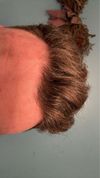
A 24-year-old shared three months of progress using dutasteride, minoxidil, and biotin for hair loss. The post includes progress pictures and discusses the effectiveness of these treatments.
To minimize hair loss while using steroids, use finasteride or dutasteride and apply topical anti-androgens like RU58841. Avoid high doses of hair-toxic steroids; prefer testosterone, nandrolone, and boldenone.
The conversation is about someone planning to start finasteride or RU58841 for hair loss and wanting to know which hormones to test beforehand. They found a package for testing testosterone, free testosterone, estradiol, and DHT, and are asking if these tests are enough.
A 24-year-old is struggling with hair loss despite using treatments like dutasteride, oral minoxidil, RU58841, and considering a hair transplant. They are advised to continue medication, possibly increase dosages, and explore additional treatments like tretinoin and tacrolimus.
A user experienced mild side effects from 0.5mg finasteride daily, including increased estradiol and minor gynecomastia. They are considering taking a low dose of exemestane to reduce estrogen levels.
The user switched from finasteride to dutasteride while continuing minoxidil, noting thicker and faster hair growth with minimal side effects. Other users discussed transitioning between these treatments, with some experiencing side effects like gynecomastia and erectile dysfunction.
The conversation discusses experiences with NMN supplementation for hair growth, with some users reporting increased hair growth activity and others seeing no significant changes. OP has been using dutasteride and oral minoxidil, and recently added NMN, noticing increased shedding, which they hope indicates new hair growth.
A user increased their dutasteride dose to 2.5 mg and oral minoxidil to 5 mg after losing hair regrowth, and also started using 2% ketoconazole and microneedling. Another user suggested these changes are meaningful and recommended splitting doses throughout the day for better absorption.
The conversation discusses using homemade topical finasteride for hair loss, showing an increase in DHT levels despite treatment. The user applies 0.125mg daily, resulting in 113.4% of previous DHT levels.
The conversation discusses the delay in the release of a new hair loss treatment, Pyrilutamide, and speculates on potential safety concerns as a reason for the delay. It also mentions GT20029 as another future treatment option, with a release at least five years away, and touches on the avoidance of research chemicals due to uncertainty about their authenticity.
A 33-year-old male has been using finasteride, minoxidil, ketoconazole shampoo, and recently added dutasteride, a minoxidil+tretinoin+azelaic acid solution, and derma stamping to treat hair loss for 5 months. There is confusion about the order of progress pictures, making it difficult to assess the treatment's effectiveness.
A user experienced hair regrowth after 3 months using finasteride, both topical and oral minoxidil, 0.5mm microneedling daily, and 300mg testosterone. They reported noticeable muscle gains and no side effects while being on testosterone replacement therapy.
A user added 1% NMN to their 5% minoxidil mix for hair loss, which also includes melatonin, ginkgo, nettle root, and plans to add caffeine. They are asking if anyone has tried topical NMN for hair growth.
A 46-year-old male is considering adding topical dutasteride to his hair loss regimen, which includes oral minoxidil, topical minoxidil, miconazole nitrate, pumpkin seed oil, microneedling, DHT oil blocker, lipogaine, and ketoconazole shampoo. He plans to start with a 0.025% concentration in lipogaine once a week to monitor for side effects.
The user has been using 1 mg oral finasteride for 16 months to slow hair loss and is considering switching to dutasteride due to continued hair shedding. They are avoiding oral minoxidil due to potential side effects and are exploring other options with a dermatologist.
A 24-year-old male is losing hair despite using dutasteride and oral minoxidil, with no regrowth from April to October 2024. He is considering increasing his dosage and looking for cheaper prescriptions, while others recommend consulting a trichologist or trying different treatments.
The user experienced significant hair regrowth using a combination of oral minoxidil (5mg) and dutasteride (0.5mg) along with monthly mesotherapy injections. Despite the progress, the user plans to proceed with a hair transplant to address a receding hairline that hasn't fully responded to the treatment.
A 47-year-old male experienced significant hair regrowth over six months using 1mg oral finasteride, 5mg oral minoxidil, and 1ml 5% topical minoxidil, along with weekly derm stamping. He reported no major side effects, improved prostate health, and increased vascularity, with hair texture changes and minor nasal congestion.
The user has been using topical finasteride and minoxidil for a month to address hair thinning. They are experiencing shedding but have noticed small hairs on their temples.
A 28-year-old male is experiencing hair loss despite using topical and oral Minoxidil, oral Finasteride, and recently switching to oral Dutasteride. He is considering whether to return to topical Dutasteride or add Dutasteride mesotherapy to better target scalp DHT.
User reports 12 months of using Mexican finasteride (Novaride), minoxidil spray, and ketoconazole shampoo with significant crown improvement and slight frontal hairline improvement. No current side effects; plans to continue treatment for further gains.
A 25 year-old male who has been taking finasteride (1mg/day) for 4 months and then switching to dutasteride (0.5mg twice per week) for 20 months, with positive results; the difference between finasteride and dutasteride is discussed.
Pyrilutamide and RU58841 are androgen receptor antagonists that block receptors without significantly reducing testosterone or DHT levels. Any indirect effect on androgen levels is likely negligible.
A 21-year-old male using minoxidil, derma stamping, saw palmetto, pumpkin seed oil, and Nizoral shampoo for hair loss sees minimal progress and is cautious about using finasteride due to potential side effects. Others suggest finasteride or dutasteride for better results, noting side effects are rare.
The conversation discusses hair loss treatments, including dutasteride, oral minoxidil, finasteride, and potential additions like topical finasteride, minoxidil, micro-needling, and topical anti-androgens such as RU58841. The effectiveness and worth of these treatments, including localized dutasteride mesotherapy, are considered.
A user with aggressive androgenic alopecia is considering increasing their dutasteride dose from 0.5 mg to potentially 2.5 mg, while already using oral minoxidil, Nizoral, RU-58841, and dermapen. They are seeking advice on the effectiveness and side effects of higher dutasteride doses, with suggestions to consult a dermatologist and consider a higher Nizoral concentration.
A 28-year-old male experienced significant hair regrowth over 8 months using 1.25mg of finasteride daily, without minoxidil or micro needling. He also took vitamin D3, K2, magnesium, and a B100 complex, reporting increased libido as a side effect.
The user experienced significant hair regrowth using dutasteride (0.5 mg three times a week) and RU58841 (5% once a day), with no side effects reported from RU58841. They are considering increasing the RU58841 dose or adding minoxidil for further improvement.
A user stopped finasteride due to side effects and rapid hair loss, considering a hair system. Others suggested alternatives like dutasteride, minoxidil, and topical finasteride.
The user shared a 6-month progress update on hair loss treatment using Dutasteride (0.5mg), Minoxidil (5%), and Dermanator 2. They reported improved hair density and coverage, especially in the crown/mid-scalp, and are focusing on enhancing the hairline.