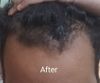
A user's progress with treating their hair loss, which consists of using Dutasteride, RU58841, Stemoxydine and Tretinoin 0.05% over the past three months.
A 16-year-old using topical finasteride and minoxidil for 3.5 months to treat hair loss. They're seeing progress, despite continued shedding, and plan to start using dutasteride at 18.
The user experienced hair regrowth using topical minoxidil and finasteride, and later added oral finasteride for maintenance. They reported no side effects and found a specific shampoo helpful for scalp issues.
The conversation is about creating a DIY topical finasteride solution using ethyl alcohol and propylene glycol. A user suggests using a compounding pharmacy instead.
An 18-year-old is using 0.1% topical finasteride and 1.25 mg oral minoxidil daily for hair loss. After four months, they experienced initial thinning but some regrowth, and are considering switching to dutasteride due to aggressive hair loss.
A 26-year-old male with high testosterone is experiencing diffuse hair thinning despite using a comprehensive treatment regimen including dutasteride, oral minoxidil, RU58841, ketoconazole shampoo, microneedling, and low-level laser therapy. Suggestions include adjusting dutasteride dosage, monitoring iron levels, and consulting a dermatologist for further evaluation.
OP transitioned and used Spironolactone, Estradiol Valerate, Minoxidil, and dermarolling, resulting in significant hair regrowth. They advise this method may not be suitable for cis men.
The conversation is about adding crushed bicalutamide or spironolactone to a topical mix with finasteride and minoxidil to suppress testosterone in hair follicles, similar to what RU58841 does. The user cannot obtain RU58841 in their country and is seeking advice on this alternative approach for hair loss treatment.
A 22-year-old is using dutasteride 0.5mg daily, oral minoxidil 2.5mg, biotin 5mg, and microneedling for hair loss. They also use a shampoo with saw palmetto and green coffee but are unsure of its effectiveness due to its high cost.
A 27-year-old male with Norwood grade 5 hair loss is using dutasteride and a hair serum with Redensyl, Anagain, Procapil, and Capilia Longa, but is hesitant to use oral minoxidil due to past allergic reactions to topical minoxidil. He plans to try dutasteride alone for 3 months before considering adding oral minoxidil.
The conversation is about finding a safe carrier for topical antiandrogens like finasteride, kx-826, RU58841, and dutasteride to minimize systemic absorption and side effects. The user experiences side effects from these treatments and is seeking advice on carriers that reduce these effects.
Clascoterone 5% topical solution shows promise for treating male-pattern hair loss by blocking DHT at the follicle without systemic absorption, potentially offering fewer side effects than oral treatments like finasteride. While results are promising, long-term safety and effectiveness need further study, and it may serve as a starting point for developing more effective treatments.
A 17-year-old in the UK seeks advice on mitigating hair loss until finasteride becomes an option at 19. Recommendations include using Minoxidil and considering other treatments like specific shampoos and dietary changes.
The user was rejected from participating in a clinical trial for an extended-release oral Minoxidil due to having rheumatoid arthritis, despite initially being accepted. They had stopped using Dutasteride and Minoxidil to qualify but continued using other treatments like RU58841 and red light therapy.
Dutasteride improved the user's hair thickness and health, slowed body and facial hair growth, and enhanced skin condition. The user also reported feeling energetic with a slight decrease in libido but no issues with sexual function.
A user's 1-year progress using the God Stack, which is a combination of Dutasteride, Finasteride, oral minoxidil, RU58841, derma roller, ketoconazole shampoo, and stemoxydine. No side effects were experienced other than watery semen for the first few months.
The user is hesitant to use finasteride due to potential hormonal side effects and is waiting for the release of pyrilutamide, a new hair loss treatment. Other users suggest trying finasteride, warning about potential regret if hair loss progresses in the meantime.
A 31-year-old male is using a hair loss treatment routine that includes daily 0.5mg dutasteride, 5% minoxidil, microneedling, biotin, vitamin D, omega-3 supplements, and alternating shampoos to restore hair density. He reports no side effects or noticeable regrowth yet but feels optimistic about the process.
A user successfully halted hair loss using finasteride for 17 years and recently switched to dutasteride for stronger DHT suppression. They experienced no major side effects, maintained a full head of hair, and fathered three children without issues.
A user is treating hair loss with 0.5mg Dutasteride three times a week, 5mg oral Minoxidil daily, and topical finasteride and minoxidil, seeing some improvement but insufficient density. They are considering increasing Dutasteride dosage and addressing high estradiol levels, while also trying to quit vaping.
A user shared their progress using 1.1mg oral finasteride and 3mg oral minoxidil since January 2024, noting significant improvement without side effects. They previously had an allergic reaction to topical treatments.
The user plans to switch from minoxidil to finasteride or dutasteride for hair loss, while managing hormones with aromatase inhibitors and SHBG blockers. They seek advice on the best options for these treatments, considering past side effects and future therapies.
Female with PCOS experiences receding and thinning hair, wants dutasteride instead of spironolactone. Discusses desire to reduce DHT without losing libido.
A user's 8-month progress using dutasteride, oral minoxidil, and 2 weeks of RU58841 to treat hair loss. The user is looking for feedback from others on their progress and experiences.
The user is exploring alternatives to finasteride and dutasteride due to concerns about side effects, and is using rosemary and jojoba oil, ketoconazole, minoxidil, microneedling, multi-peptide serum, saw palmetto, and stinging nettle for hair loss. They are also considering CB 03 01 and spironolactone.
Hair loss treatments Fin and Minoxidil failed for user. Suggested alternatives are 75mg oral spiro and RU58841, but concerns about low testosterone and self-esteem were raised.
A user is seeking hair loss treatments without using systemic DHT blockers like finasteride due to side effects. Suggestions include clascoterone (not FDA approved), pyrilutamide, RU58841, and low-dose topical finasteride, with a recommendation to consult a doctor.
A 23-year-old male is using 0.5 mg dutasteride daily, 5% minoxidil twice daily, and ketoconazole with zinc pyrithione shampoo twice a week to address diffused thinning and hair loss. He is seeking advice on whether his hair will regrow and if additional treatments are needed.
The conversation discusses the use of 5-alpha-reductase inhibitors like finasteride and dutasteride for hair loss in transgender women, particularly in relation to testosterone suppression. The original poster has been using dutasteride and is considering stopping it due to undetectable testosterone levels.
A combination of pyrilutamide, minoxidil, and alfatradiol is proposed as an effective alternative to finasteride for treating mild to moderate hair loss, claiming to stabilize hair loss and improve thickness without finasteride's side effects. Some users are skeptical about the effectiveness and approval of these treatments, while others are interested in trying them due to finasteride's side effects.