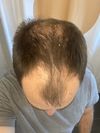
The conversation discusses the cost and insurance coverage of a comprehensive hormone and DHT blood panel for hair loss, with a focus on finasteride treatment. The user seeks a cheaper alternative to a $700 panel recommended in a video.
A 21-year-old is using oral minoxidil, rosemary oil, saw palmetto, and pumpkin seed oil for hair regrowth but is advised to use finasteride or dutasteride for better results. The user is hesitant to use DHT blockers due to cost and is seeking advice on whether their current regimen is effective.
User discusses hair loss treatments including Minoxidil, Finasteride, and RU58841. Various suggestions given, such as topical estrogen, vitamins, and shaving head.
The user plans to start a 12-month finasteride treatment to combat aggressive hair loss, with regular monitoring of thyroid levels, testosterone, DHT, liver enzymes, PSA, and iron levels. They seek advice on additional monitoring and aim to balance results with minimal side effects.
The user experienced significant hair regrowth using 1mg finasteride daily and 5% minoxidil twice a day over 6.5 months, improving from a Norwood 3.5 to a Norwood 2. Despite progress, they still feel their hair is thin, especially at the temples.
A user experienced increased hair density loss after 4 months on dutasteride combined with finasteride. They are also using topical dutasteride with azelaic acid and alfatradiol but cannot tolerate antiandrogens like RU58841 due to headaches.
A user shared their 13-month hair regrowth results using Finasteride 0.25mg three times a week, Biotin, Nizoral, Vitamin D, and a multivitamin. Commenters discussed the effectiveness of low-dose Finasteride and inquired about potential side effects and the addition of Minoxidil.
Extended-release oral minoxidil (VDPHL01) shows promising results for hair growth with improved safety, achieving significant hair count increases and minimal side effects compared to placebo. The treatment is designed to maintain effective concentrations while reducing side effects, making it a safer option for those who cannot tolerate standard minoxidil.
A 33-year-old male shared progress photos after using 0.5mg oral dutasteride daily for 9.5 months, 2.5mg oral minoxidil twice daily for 9.5 months, 2% Nizoral shampoo twice a week for 2.5 months, and 5% RU-58841 once daily for 1 month. A commenter noted the impressive progress and inquired about the absence of dermarolling.
An 18-year-old experienced severe side effects, including heart palpitations and high blood pressure, after using RU58841 once, leading to a referral to cardiology for suspected left ventricular hypertrophy. The user regrets using RU58841 and seeks advice on recovery, while others suggest preexisting conditions or genetic predispositions may be factors.
The user is generally happy with their hair transplant results but has concerns about graft density and placement, particularly on the left temple and hairline. They are using finasteride and minoxidil inconsistently, plan to add Priorin, and are considering microneedling and PRP sessions for future care.
A 49-year-old male switched from Finasteride to Dutasteride 2.5 mg daily, along with oral Minoxidil 5 mg, resulting in significant hair regrowth and stopping hair loss after six months. Despite initial side effects like adrenaline spikes and urinary issues, the user is satisfied with the results and plans to continue the treatment.
A 26-year-old male considering a hair transplant is using topical finasteride and minoxidil, planning to start feminizing hormone replacement therapy (HRT) with estrogen and spironolactone. Many suggest waiting to see the effects of HRT, which may significantly regrow hair, before deciding on a transplant, and recommend adding microneedling and possibly switching to oral treatments for better results.
User switched from finasteride to combination dutasteride and finasteride for hair density improvement. They noticed less hair shedding and more youthful skin, with a reply suggesting less DHT could increase elastin in skin.
A user is experiencing hair loss despite using topical minoxidil, oral finasteride, and 2% ketoconazole shampoo, and is seeking advice on further treatments. Suggestions include switching to dutasteride, trying oral minoxidil, addressing scalp inflammation, and considering dietary changes and supplements.
Eirion Therapeutics is recruiting for phase 1 of ET-02 in Texas, which showed promising hair growth results in non-clinical studies. ET-02 demonstrated significantly more hair growth compared to Minoxidil.
A user's regimen to help with their diffuse thinning, which includes taking Pyrilutamide BID, 1mg finasteride daily, 2.5mg oral minoxidil daily, topical minoxidil since August 2021, LLLT every two days, topical fin, progesterone, melatonin, minoxidil (started one week ago), pumpkin seed oil and not dermarolling; other commenters suggested Nizoral for dandruff control and caution when using pre-mixed products with Pyrilutamide.
A 24-year-old experienced improved hair growth using 5% minoxidil, 1 mg finasteride, and dermastamping, but faced side effects like low libido and mild erectile dysfunction. They plan to reduce finasteride dosage after full results and may consider a hair transplant if thinning recurs.
The conversation discusses the frustration over the unavailability of 2.5mg dutasteride soft gels, with some users suggesting higher doses for better scalp DHT suppression. Concerns about side effects and the necessity of DHT are debated, with some users advocating for alternative treatments like RU58841 and oral minoxidil.
A 21-year-old male experiencing hair thinning and shedding was diagnosed with androgenetic alopecia and prescribed a topical solution containing 5% minoxidil and 0.1% finasteride, multivitamins, and 0.5mg dutasteride daily. He seeks confirmation on whether this prescription is typical for his condition.
A user's experience with treating their hair loss using finasteride, minoxidil, RU58841, dermarolling, and nizoral; specifically discussing dosage levels of the medications and effects on libido.
The user experienced significant hair regrowth after 7 months using topical minoxidil once a day and 0.5mg dutasteride every other day, with noticeable results in the last two to three months. They reported no side effects and did not use dermarolling.
The conversation discusses affordable options for topical Finasteride, including products like Morr F, 82F, and Essengen 6 Plus, with concerns about availability and cost. The user is seeking effective and convenient solutions, considering options like compounding pharmacies and homemade solutions.
A user shared a 7-month hair loss treatment progress using finasteride 1.25 mg, oral minoxidil 2.5 mg, ketoconazole shampoo, and monthly micro-needling, noting denser hair and improved quality but no significant regrowth. They experienced mild testicular discomfort and heart palpitations, considering switching to topical minoxidil to avoid side effects.
A 28-year-old male is experiencing temple regrowth but crown thinning while using 5mg minoxidil and 0.5mg dutasteride. The shedding phase is seen as a positive sign of treatment effectiveness, with expectations of noticeable improvements around 6 to 12 months.
A 22-year-old is using a hair loss treatment stack of 5% topical minoxidil, 0.1% topical finasteride, and oral minoxidil. They are avoiding oral finasteride due to concerns about side effects and hope this combination will stop thinning and promote regrowth.
A 21-year-old is experiencing hairline recession and is using finasteride, saw palmetto, gelatin, topical minoxidil with retinoic acid, derma stamping, and scalp massage to address it. Suggestions include adding oral minoxidil, vitamin D3 with K2, and maintaining the current regimen for a year.
A 27-year-old male experienced limited success with Dutasteride and topical Minoxidil for hair loss and eyebrow thinning, with side effects like decreased libido and erectile dysfunction. He is considering oral Minoxidil but is concerned about side effects, and is advised to try ketoconazole for possible dermatitis and monitor vitamin D levels.
A 31-year-old experiencing male pattern hair loss is considering options to manage it before their wedding, including continuing oral finasteride despite dizziness, switching to topical finasteride, adding minoxidil, or getting a hair transplant. They are advised that switching to topical treatments might reduce dizziness and that a hair transplant should be considered once hair loss stabilizes.