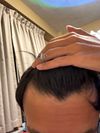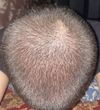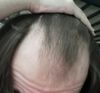
An 18-year-old is concerned about hair thinning and is considering starting Minoxidil and finasteride. They are seeking advice on whether to begin these treatments.
An 18-year-old noticed hair thinning at 17, started finasteride 5 months ago, and saw shedding stop but no regrowth. They suspect male pattern baldness due to family history and are concerned about thinning on the back and sides, possibly due to inflammation.
An 18-year-old is using finasteride for hair loss prevention despite having a healthy hairline. Opinions are mixed, with some advising against its use at his age and others supporting his proactive approach.
An 18-year-old is experiencing hair thinning and considering treatments like scalp massages, vitamin D supplements, Minoxidil, and dermarolling to improve hair density while maintaining blonde hair. They are concerned about potential hair darkening from Minoxidil and seek advice on preserving their hair color and health.
An 18-year-old with Norwood 2 hair loss is considering finasteride treatment. Bloodwork shows testosterone and hormone levels mostly within normal ranges, except for low estradiol.
An 18-year-old male experiencing hair loss since 2023 is using minoxidil, microneedling, and topical finasteride. He is considering switching to oral finasteride for potentially better results.
An 18-year-old is experiencing positive hair regrowth results using 2.5mg minoxidil, 0.5mg finasteride daily, and dermarolling twice a week. They are satisfied with the progress and hope for continued improvement.
An 18-year-old is experiencing significant hair loss and is considering starting finasteride treatment but is concerned about its effects on puberty and development. They previously tried finasteride but stopped due to side effects and are seeking advice on when it's safe to resume.
An 18-year-old is using minoxidil, finasteride, and tretinoin for hair loss, with concerns about uneven temple progress. They have been on minoxidil for 3.5 months and finasteride for 2 months.
An 18-year-old male experiencing hair thinning for three years seeks advice on treatments like Minoxidil, finasteride, and RU58841. He is frustrated with the situation and wants to take action without resorting to shaving his head.
An 18-year-old male is considering stopping minoxidil on the crown while continuing finasteride due to increased shedding and concerns about thinning. He seeks advice on safely switching to using minoxidil only on the hairline without risking permanent crown thinning.
An 18-year-old experiencing aggressive hair loss is considering whether to obtain a finasteride prescription through an online consult to save money instead of visiting a dermatologist. The user is seeking advice on the cost-effectiveness of these options.
An 18-year-old is using a high-dose hair loss treatment with 40mg daily dutasteride, finasteride, minoxidil, tretinoin, and topical bicalutamide. Despite health risk concerns, especially liver issues, they report hair regrowth progress and intend to continue the regimen.
An 18-year-old shares their successful hair regrowth journey using finasteride 1mg daily, topical minoxidil twice a day (mixed with tretinoin 0.025% at night), ketoconazole shampoo 2-3 times a week, and occasional dermarolling. They report no side effects and emphasize the importance of consistency and early intervention.
An 18-year-old shares two months of progress using a topical spray solution containing finasteride, ketoconazole, minoxidil, and biotin for hair loss, reporting minimal side effects and satisfaction with results. The user applies the solution daily to different parts of the scalp.
An 18-year-old experienced hair regrowth using 5% liquid minoxidil and plans to start finasteride at 19. The user noticed thicker hair and new growth, particularly around the temples, and feels more confident.
An 18-year-old shares progress in hair regrowth after 1.5 months using a topical treatment with finasteride, ketoconazole, minoxidil, and biotin. They report significant hairline improvement and a decrease in sex drive as a side effect.
An 18-year-old started taking 1mg of finasteride daily to address receding temples and is concerned about whether they will need to increase the dose or switch to dutasteride in the future. Users discuss that finasteride can slow hair loss for many years, but it is not a permanent solution, and individual responses vary.
An 18-year-old experienced severe side effects, including heart palpitations and high blood pressure, after using RU58841 once, leading to a referral to cardiology for suspected left ventricular hypertrophy. The user regrets using RU58841 and seeks advice on recovery, while others suggest preexisting conditions or genetic predispositions may be factors.
An 18-year-old is using a high-dose hair loss treatment regimen including finasteride, minoxidil, dutasteride, and plans to add RU58841 and bimatoprost, despite warnings from others about the risks. The user is determined to reverse hair loss but acknowledges the potential dangers and does not recommend others follow their approach.
An 18-year-old male with hair loss is considering starting finasteride but is concerned about potential side effects like gynecomastia due to his prolactin levels. He seeks guidance on whether his bloodwork indicates it's safe to begin treatment.
An 18-year-old is considering starting minoxidil for hair loss due to a receding hairline but is hesitant about using finasteride due to age and lack of health insurance. A suggestion was made to use topical finasteride and minoxidil, along with lifestyle changes like exercise and cold showers.
An 18-year-old experiencing hair loss and seborrheic dermatitis has tried finasteride, dutasteride, and various shampoos without success. They are considering anti-androgens like RU58841 and KX-826 for oil control and dandruff reduction.
An 18-year-old with hair thinning is using minoxidil and considering stopping creatine due to concerns about increased DHT and hair loss. Opinions on creatine's impact are mixed, and the user plans to stop it until they can access topical finasteride.
An 18-year-old using Minoxidil 2% for hair loss is considering adding dermarolling to their routine. Replies suggest adding finasteride, using a dermastamp, and microneedling, with positive experiences shared.
An 18-year-old is experiencing worsening hair loss, feeling isolated, and considering treatments like Minoxidil and finasteride. Others suggest seeing a dermatologist to determine the cause and potential treatments.
An 18-year-old has been using oral finasteride and topical minoxidil for hair loss since January 1st, occasionally using ketoconazole shampoo. They are unsure about the progress and volume increase after three months of treatment.
An 18-year-old male switched from topical finasteride and minoxidil to oral dutasteride for diffuse hair loss and saw improvement without side effects, despite experiencing scalp itch and shedding. Commenters noted significant hair regrowth and were surprised by his young age and appearance.
An 18-year-old male used anti-androgens and oral Minoxidil for 10 months to treat hair loss. He initially used 1mg Finasteride and 5% topical Minoxidil for 5 months, then switched to Dutasteride for 4.5 months and inconsistently used 5mg oral Minoxidil for 2 months due to availability issues.
An 18-year-old male's successful hair regrowth after three months of using finasteride 1mg daily. He reported no side effects and other users expressed admiration and curiosity about his results.