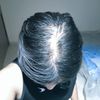
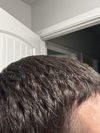
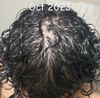
The user started using topical finasteride 0.025% and minoxidil 5% for hair loss but is experiencing increased shedding after two months without signs of regrowth. They are seeking advice on when to expect results or consider switching treatments.
The user is considering using Ruderma to maintain hair and is concerned about potential hair loss acceleration due to starting TRT. They are also inquiring about the use of minoxidil, RU58841, and a derma roller for hair maintenance.
The user has been using a hair solution with 0.3% finasteride and 5% minoxidil, along with microneedling, but is experiencing more thinning on one side. Suggestions include checking application techniques and ensuring microneedling is not overdone.
Dutasteride and Minoxidil can cause initial hair shedding, which is normal and part of the process. Consistency and patience are crucial, as visible improvements may take over three years.
A 21-year-old male is using a topical treatment for hair loss, including Dutasteride, Minoxidil, Tretinoin, Ketoconazole, and Hydrocortisone, along with derma rolling. He reports no side effects from the treatment and seeks feedback on its effectiveness for hair regrowth.
The user is deciding between a hair transplant and using minoxidil for hair loss. Another user suggests using minoxidil, finasteride, and engaging in physical activity.
A user noticed their hair became curlier after a year on finasteride 1.25mg daily, but it returned to wavy when taken every other day. They are questioning if this change affects the treatment's effectiveness and are seeking similar experiences.
A 20-year-old is experiencing hair thinning despite using minoxidil inconsistently for 1.5 years and is considering adding finasteride due to concerns about side effects. They are unsure whether to increase minoxidil application, start finasteride, or if the hair loss is exaggerated in their perception.
A 23-year-old male using minoxidil once daily is concerned about hair loss and hesitant to use finasteride due to potential side effects. Suggestions include adding finasteride, exercise, cold showers, spicy food, infrared exposure, sunbathing, and tretinoin.
The conversation discusses concerns about using hair fibers while microneedling, specifically the potential for clogging pores. It is suggested that microneedling should not cause bleeding.
Topical finasteride and minoxidil, combined with microneedling, are recommended for treating thinning hair areas, with 1-2 sprays daily being effective and having fewer side effects than oral finasteride. Starting microneedling at 1.0mm is advised for effectiveness while minimizing invasiveness.
The user shared impressive hair regrowth results after 11 months using topical finasteride and minoxidil from HIMS. Many users congratulated the progress and inquired about the application method, brand, and potential side effects.
A user shared their 20-week progress using oral finasteride (1mg) and oral minoxidil (3.3mg) for hair loss, noting significant improvement in hair thickness and coverage. Another user complimented the progress.
A user with long-term hair loss has been using topical minoxidil, finasteride, RU58841, ketoconazole, and dermastamping for 8 months. They are unsure if the new hairs are miniaturized or vellus.
The user has been using finasteride and minoxidil for over three years, switched to oral minoxidil, and recently started dutasteride and dermarolling but still experiences thin hair. They are seeking suggestions for improving their hair condition.
A user stopped finasteride due to side effects and rapid hair loss, considering a hair system. Others suggested alternatives like dutasteride, minoxidil, and topical finasteride.
The user is experiencing stage 2 hair loss and thinning, noticing more scalp visibility with short hair. They are considering diet, yoga, scalp massage, supplements, and a serum recommended by their doctor, and questioning if it's safe to stop using the serum and whether to get a blood test since hair loss isn't a family trait.
A user's 20 year journey with hair loss and the treatments they have used to manage it, including finasteride, minoxidil, a custom Strut Blend of Dutasteride, Minoxidil, Tretinoin, and Biotin, Nizoral shampoo, multivitamins, Vitamin D, B Complex, Dim, Clomid, exercise, diet, laser helmet, Toppik dark brown, and topical Finasteride. The user also talks about their successful life, lack of desire for children and high sperm count due to Clomid.
A 27-year-old is using finasteride, minoxidil, microneedling, and Pilexil shampoo to combat hair loss, with plans to add Nizoral shampoo and light stimulation. Initial results show reduced hair loss and some hair thickening, despite a period of shedding.
A user shared their hair loss journey, starting treatments with topical minoxidil and finasteride at 17, and later adding oral versions and dutasteride by age 20, but still experiencing hair loss. Others suggested that the treatments have likely slowed the progression, and some recommended considering a hair transplant or adjusting medication, while expressing concerns about the potential side effects of starting such treatments at a young age.
The user experienced severe side effects from oral finasteride, including sexual dysfunction and mental health issues, and switched to topical finasteride, which led to significant hair shedding. They are considering other treatments like RU58841 or topical dutasteride and are advised to check testosterone levels and address potential underlying health issues.
A user plans to stop finasteride to improve sperm quality for conception and seeks advice on minimizing hair loss during the break, considering using topical minoxidil and medicated shampoo. Responses suggest continuing finasteride with precautions or highlight the lack of strong alternatives to finasteride and dutasteride for hair loss prevention.
A user shared their 3-year progress using finasteride and minoxidil for hair loss, noting significant improvement after adding minoxidil to their routine. They also use a derma roller weekly and apply minoxidil topically to the entire hairline.
The user experienced significant hair regrowth after using 1.25mg finasteride for 7 months, with no side effects, and is considering whether to keep or remove a previous SMP (scalp micropigmentation). They avoided minoxidil due to dandruff and sensitive scalp concerns, and they use a specific dandruff shampoo once a week.
The user successfully improved their hair from Norwood 3 to 0.5 using finasteride, topical minoxidil, microneedling, and a hair peptide, and plans to maintain it with dutasteride. They are leaving the forum due to emotional distress caused by the community.
A 19-year-old is concerned about long-term microneedling for hair loss and is unsure if it will remain effective as they age. They experienced side effects from topical finasteride and are considering whether to try it again in the future, while also dealing with body dysmorphia and stress.
A 20-year-old has been using finasteride for one year and oral minoxidil for seven months to treat hair loss, but is discouraged by worsening results. They are considering switching to dutasteride and adding microneedling and topical minoxidil.
The conversation discusses combining topical finasteride with oral finasteride or dutasteride for hair loss treatment. It also mentions using minoxidil, oral dutasteride, and other supplements like biotin and ketoconazole for better hair health.
A 39-year-old experienced hair regrowth on his temples after switching from finasteride to topical RU58841 combined with 5% minoxidil. He also underwent stem cell treatment and noticed improvements, attributing the regrowth mainly to the change in treatment.