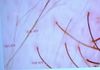
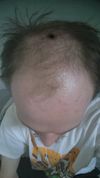
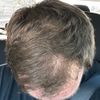
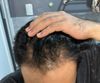
A 21-year-old experienced severe hair shedding after switching from topical to oral minoxidil, despite previously managing hair loss with finasteride. They are concerned about the lack of improvement and are considering stopping minoxidil due to the dramatic hair loss.
A 23-year-old male is experiencing no progress with hair loss despite using oral minoxidil and finasteride, and is considering dutasteride. He also reports experiencing erectile dysfunction, possibly due to starting lexapro.
A 20-year-old with diffused thinning is using oral minoxidil for androgenetic alopecia. They plan to switch to topical minoxidil, finasteride, and bimatoprost, and may consider surgery if their condition improves.
A user is taking 2.5 mg oral Minoxidil and was prescribed a topical oil with Minoxidil 8%, Dutasteride 0.05%, and Finasteride 0.5%. They are seeking opinions on whether this combination is excessive or appropriate.
A 25-year-old male has been using finasteride and 2.5mg oral minoxidil for 8-10 months and is seeking advice on improving hair growth at the crown. He is considering whether to continue with finasteride or switch to dutasteride.
A user is seeking hair loss treatments without using systemic DHT blockers like finasteride due to side effects. Suggestions include clascoterone (not FDA approved), pyrilutamide, RU58841, and low-dose topical finasteride, with a recommendation to consult a doctor.
Finasteride can cause sleep disturbances, but these often improve over time. Some users experience side effects like reduced libido and brain fog, while others see hair regrowth and manage side effects by adjusting dosage or switching to topical treatments.
The user is considering starting minoxidil and finasteride for hair loss at Norwood 2 or 2.5. Another user suggests consulting a dermatologist and possibly using finasteride to prevent progression and minoxidil for regrowth, with dutasteride as an alternative.
A 21-year-old male is using oral finasteride, topical minoxidil, and microneedling to improve hair density and regrowth but remains dissatisfied with the results. He is considering whether continuing finasteride for two years might help.
A 23-year-old is self-conscious about a receding hairline and is considering using finasteride and minoxidil to regrow or thicken hair. Advice suggests consulting a doctor, as finasteride can stop hair loss and minoxidil can promote regrowth, but expectations should be realistic, especially for hairline regrowth.
The conversation discusses the safety of using 2.5mg oral minoxidil and 1mg topical minoxidil twice daily, along with finasteride, for hair loss treatment. Concerns are raised about potential blood pressure changes from oral minoxidil, suggesting a personalized risk assessment with a doctor.
The user is experiencing asymmetrical hair loss at the frontal hairline and is concerned about potential conditions like frontal fibrosing alopecia. They have started using finasteride and pumpkin seed oil to address the issue.
A 28-year-old is using 0.5mg dutasteride and 2.5mg oral Minoxidil to improve front hair growth. They are seeking additional recommendations for enhancing hair in the front.
A 21-year-old experiencing diffuse thinning is considering switching from finasteride to dutasteride after using topical and oral minoxidil and finasteride. They have seen some regrowth but are concerned about overall density loss, especially at the crown.
The user has been using Dutasteride (Avodart) 0.5 mg since June 2023 to combat hair thinning, experiencing initial side effects but no significant hair regrowth. They seek advice on improving or thickening their hair further.
The user is seeking affordable topical minoxidil and finasteride options in England, preferably combined in one product. They are open to purchasing them separately if necessary.
The user switched from finasteride to dutasteride in January and noticed increased crown thinning, despite using minoxidil with rosemary, biotin, and castor oil. They are concerned about hair loss and considering visiting a clinic for further advice.
A 20-year-old male from the UK is experiencing hair thinning and seeks advice on using Minoxidil, finasteride, and RU58841, asking about their monthly costs and where to purchase them.
A 19-year-old is experiencing severe shedding after two months of using topical minoxidil for hairline treatment and is curious about potential regrowth. They plan to wait before starting finasteride, while another user advises that shedding is common and suggests monitoring progress, with possible regrowth in 6 to 12 months.
A trans woman is experiencing hair loss and is considering treatments like cyproterone, dutasteride, and oral minoxidil. She is concerned about potential hair growth on her face, chest, or legs due to minoxidil.
Oral finasteride is more effective but may have more side effects, while topical versions have less risk. Oral minoxidil is more potent, but topical is more common and easier to use; combining treatments is common.
PP405 is a potential hair loss treatment that inhibits mitochondrial pyruvate carriers, increasing lactate dehydrogenase activity and stimulating hair follicle stem cells. In a phase 1 trial, 31% of participants showed over 20% hair density increase with PP405 treatment.
The user has been taking oral minoxidil (2.5mg) and finasteride (1mg) daily for over a year without seeing improvement in hair loss. They are considering trying topical treatments or derma stamping for better results.
The user switched from finasteride to dutasteride for stronger hair loss treatment, despite initial success with finasteride. They experienced significant shedding with dutasteride but remain hopeful for regrowth, emphasizing patience and the importance of giving treatments time to work.
The user is experiencing heavy hair shedding and a receding frontal area despite using finasteride and minoxidil. They are considering switching to dutasteride for better results.
The conversation discusses the effectiveness of Regenera Activia stem cells versus Cellgenic exosomes for hair loss treatment. The user has been using topical minoxidil 5% and 0.001% estradiol for a year without results.
A 24-year-old from the EU is experiencing hair thinning at the crown, possibly due to androgenetic alopecia. Suggested treatments include minoxidil and finasteride, which can be used in topical or oral forms.
A user shared their successful experience with hair regrowth and transitioning from male to female using minoxidil, finasteride, Nutrafol, microneedling, and hormone replacement therapy (HRT). They expressed gratitude for the results and encouraged others to explore treatments that align with their personal goals.
The user plans to start finasteride treatment for hair thinning and seeks advice on dosage, specifically how many 1mg pills to take weekly. They have noticed hair loss in the shower and some receding at the hairline.