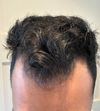
Bimatoprost 1% and 3% solutions showed better hair regrowth than minoxidil 5%. The user plans to test a homemade bimatoprost solution on their scalp and share results.
User reports using 0.5mg finasteride, 12.5mg zinc daily, and keto shampoo weekly for hair loss. After one month, there's a slight reduction in hair shedding and no side effects.
After 1.5 years on finasteride and dutasteride with continued hair loss, the user noticed a significant reduction in hair shedding, attributing it to the consistent use of finasteride, along with a no-shampoo approach, multivitamins, vitamin D, and restarting minoxidil. Other users shared their happiness for the improvement and noted that hair loss can fluctuate naturally over time.
After stopping oral finasteride, shedding is common, and some regrowth may occur, but hair loss might continue. Alternatives like minoxidil, ketoconazole, or microneedling can be considered if finasteride side effects are problematic.
A 25-year-old male has been using topical finasteride (0.1%) and minoxidil (5%) for almost two years with no visible improvement but stable hair loss. Suggestions include switching to oral finasteride and minoxidil, considering stronger treatments like dutasteride, and consulting a doctor for personalized advice.
The user has been using oral dutasteride (DUT) for 1.5 years but is experiencing hair thinning again and is considering increasing the dose or adding topical treatments like RU58841, despite concerns about side effects. Suggestions include trying oral minoxidil or waiting to see if the thinning is just a temporary shed.
The conversation discusses hair loss treatment progress using Minoxidil, a 0.5mm derma stamp, and caffeine serum, with additional use of rosemary, peppermint, and olive oil. The user is avoiding DHT blockers like Finasteride due to potential interference with other medications.
The user is concerned about worsening hair loss after 9 months on 1.25 mg finasteride, with suggestions to add minoxidil and consider dutasteride. Some users report decreased shedding with different treatments, while others note possible issues with photo comparisons.
A dermatologist prescribed 0.625mg of oral minoxidil daily without a DHT blocker, which some users disagree with, suggesting a combination with finasteride or dutasteride for better results. Others argue starting with a low dose of minoxidil is standard to test tolerance before considering additional treatments.
Oral dutasteride and topical Minoxidil are used to treat hair loss, with the goal of suppressing DHT and improving hair density. The effectiveness depends on genetics and the duration of baldness, and lifelong treatment may be necessary to maintain results.
The user has been using finasteride every other day and oral minoxidil for hair regrowth, noticing new baby hairs. They are hopeful about regaining hair on their temples.
The user is treating male pattern baldness with oral minoxidil, ketoconazole, derma rolling, rosemary oil, and topical minoxidil, and is considering adding finasteride. They are debating between three finasteride dosing strategies: 1mg daily, 1.25mg every other day, or 1.25mg five days a week, focusing on efficacy, safety, and cost.
A 33-year-old male reports slight hair regrowth and improved thickness after 2.5 months using 1 mg oral finasteride, 2.5 mg oral minoxidil, and a serum with Redensyl, Anagain, Capixyl, and Procapil. Users note slight improvement, especially in the crown area, and suggest patience for more results.
Switching from finasteride to dutasteride can lead to varied results, with some experiencing better hair regrowth and fewer side effects, while others continue to lose hair. Dutasteride is generally seen as more effective but has a longer half-life, potentially extending side effects.
A 23-year-old male has been using 1.1mg finasteride and 5mg oral minoxidil for 4 months and is questioning if he has experienced hair regrowth. He reports some thickening of arm and facial hair but no serious side effects.
Improved hair density and texture after using 1mg oral finasteride and 5mg oral minoxidil for a year. The user is satisfied with the results, noting no significant side effects except reduced seminal volume.
Missing finasteride for 1-2 weeks is generally not a major issue, as it takes time for hair loss to progress. It's advised to sort out the refill for consistency, but short breaks are usually fine.
The user noticed hair improvement after using 1mg finasteride for 1 year and 3mg minoxidil for 3 months. Others shared similar experiences, noting stability or slight progress in hair regrowth.
A user shared their experience with hair loss, using finasteride and minoxidil, and eventually undergoing a hair transplant of 1800 grafts. They regret not starting finasteride earlier and mention that despite the transplant, their scalp is still visible under strong light.
Steve Carell's hair transformation from Season 1 to Season 7 of "The Office" is attributed to a possible hair transplant and changes in styling. Discussions also mention the use of treatments like Propecia and Accutane for skin and hair issues.
A 26-year-old is starting a hair loss treatment using 1mg oral finasteride daily, 5% topical minoxidil foam twice daily, 2% ketoconazole shampoo weekly, and microneedling once a week. They noticed worsening hair loss over the past year and are seeking advice.
A user shared their positive experience with a hair transplant in Turkey, using 4350 grafts, and described it as the best decision of their life. They discussed using finasteride to maintain non-transplanted hair and addressed questions about the procedure and recovery.
The conversation is about hair loss treatments, specifically the lack of improvement after one year of using oral finasteride and topical minoxidil. Suggestions include switching to stronger medications like dutasteride and oral minoxidil, considering a hair transplant, and possibly using microneedling or tretinoin.
The user experienced initial hair regrowth with 1 mg finasteride and 5 mg minoxidil but began shedding after 4-5 months, which others suggest is common and may lead to thicker regrowth. Users recommend patience, as results can take up to 12-24 months, and suggest considering specialized clinics for hairline design if unsatisfied with medication alone.
A 26-year-old male with high testosterone is experiencing diffuse hair thinning despite using a comprehensive treatment regimen including dutasteride, oral minoxidil, RU58841, ketoconazole shampoo, microneedling, and low-level laser therapy. Suggestions include adjusting dutasteride dosage, monitoring iron levels, and consulting a dermatologist for further evaluation.
Microneedling once a week at 1mm caused bumps, possibly scars, in the treated area. The user is considering cleaning the skin before microneedling to prevent this issue.
A 22-year-old has been using finasteride (1.25mg), topical minoxidil once a day, and dermastamping weekly for three months with no side effects. The user is seeking feedback on hair regrowth progress, but results are inconclusive due to lighting and hair length differences in photos.
The user started oral minoxidil and finasteride two months after a hair transplant and plans to switch to dutasteride, using Nizoral and Mossi shampoos. They are considering a second transplant in Tijuana and using hair fibers and mousse for styling while waiting for medication effects.
The user has been using minoxidil 5% twice daily for a year and finasteride 0.5 mg daily for five months, seeing noticeable hair growth without side effects. They are considering adding microneedling with a derma roller or stamp to their routine for enhanced results.