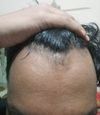
The user shared their personal experience with hair loss, hormone imbalances, and treatments including testosterone boosters, natural estrogen blockers, and DHEA. They suggest that low-dose finasteride and natural hormone therapy could reduce hair loss with fewer side effects.
The safety of using oral minoxidil to treat hair loss and thinning, with studies showing mild side effects at low doses. It was suggested that people should consult a doctor or dermatologist before taking any type of medication for hair loss.
Royal_Woodpecker0007: Hahaha . No i am not naked .
This conversation is about Royal_Woodpecker0007's 11-month progress on hair loss medications, including topical finasteride and minoxidil, as well as oral finasteride and keto 1% shampoo. The treatments have shown positive results, reducing his hairfall from 200 hairs per day to 40-50, and thickening his hairline. He plans to wait another year before considering a transplant.
OP reports that after 3 months on 2.5mg dutasteride, their hair has stopped falling out and is thick again, but they are considering stopping due to potential mood and energy side effects. Other users discuss experiences with finasteride, dutasteride, and side effects, with some suggesting lower doses or alternative treatments like topical applications.
The user shared a 6-month aggressive hair loss treatment progress, using oral minoxidil, finasteride/minoxidil topical, dutasteride, derma stamping, Nizoral, and daily Cialis, which notably improved regrowth. Commenters observed significant improvement, with one noting a change from a Norwood 5 to a Norwood 1 in hair loss classification.
The conversation discusses various treatments for hair loss, including finasteride, minoxidil, dutasteride, microneedling, and checking for nutrient deficiencies. Some users suggest adding hydrocortisone butyrate, low-dose progesterone, or tretinoin to treatment regimens, while others recommend cosmetic solutions like Toppik hair fibers or shaving the head.
The post discusses concerns about the practicality of using Minoxidil foam for hair loss, including the frequency of application, preparation, coverage area, and drying time. Responses suggest that missing a dose isn't detrimental, it can be applied once a day, it works on all hair areas, and it doesn't need to be perfectly dry before application.
Kintor Pharma announced successful Phase II trial results for KX-826 in treating hair loss, showing it's comparable to finasteride and can be used with it. Some participants saw a 10 hair/cm^2 increase, which is considered a good outcome at the low dose used.
Oral minoxidil is generally effective for hair loss but may cause side effects like heart palpitations and facial puffiness. Users highlight the importance of monitoring blood pressure due to potential cardiovascular risks.
A user reports persistent sexual side effects three months after stopping finasteride, despite a healthy lifestyle and supplements. They express concern over the lack of libido and infrequent erections.
The post discusses using Sandalore as a potential hair loss treatment, emphasizing precise measurements and safe handling. The user compares Sandalore's effects to Minoxidil and mentions preparing a solution with ethanol and DMSO.
A 30-year-old man using minoxidil for hair loss is seeing stabilization but no significant regrowth. He is hesitant about finasteride due to potential side effects and is seeking alternative methods to promote hair growth.
Finasteride may cause sleep disturbances, with some users experiencing insomnia. Reducing the dosage, switching brands, or trying Dutasteride might help.
Increasing finasteride dosage can cause significant hair shedding initially. Users suggest adding minoxidil or switching to dutasteride for better results.
The conversation discusses hair loss progress pictures, highlighting noticeable improvement. Treatments mentioned include finasteride (Fin) and dutasteride (Dut).
A user experienced significant hair regrowth using finasteride and minoxidil over four years, despite side effects like seborrheic dermatitis, urinary changes, and water retention. They were satisfied with the results and maintained a strong physique.
An 18-year-old experiencing balding since age 15 is seeking alternatives to minoxidil for hair regrowth, currently using rosemary oil and a 0.5mm derma roller. They are unsure about the proper use of these treatments.
The user shared progress pictures showing significant hair regrowth from using finasteride, RU58841, and liquid minoxidil, emphasizing the importance of consistency. They noted that RU58841, a research chemical not FDA-approved, was effective when applied topically but warned of potential heart-related side effects.
Using both oral and topical minoxidil is not considered dumb, and some users report better results with both, though it may cause shedding and scalp irritation. Combining minoxidil with finasteride is recommended for better effectiveness.
The user stopped finasteride due to testicular aches and switched to minoxidil, seeing positive results in three months. They are considering topical finasteride but are cautious because of past side effects from oral use.
People discussed switching from finasteride to dutasteride for hair loss treatment. They reported satisfaction with dutasteride, noting it was more effective than finasteride, particularly after finasteride's effects diminished, and some experienced additional benefits like cost savings and stabilized hair loss, rating dutasteride highly as a treatment.
A person had success with micro-needling for hair growth but stopped and noticed hairline recession. They plan to restart treatment at age 40, using micro-needling, oral minoxidil, finasteride, a laser cap, topical minoxidil with tretinoin, collagen, and other supplements.
A user's 3-month progress report on their treatment of hair loss using a stack of finasteride, dutasteride, and minoxidil, with additional supplements, diet and workout routine, and before-and-after photos.
A teenager experiencing hair loss is using minoxidil, a derma roller, and plans to add ketoconazole shampoo to their routine. They are advised to continue this regimen consistently for at least six months to see results, with the shedding being a normal part of the process.
A user applied a homemade topical finasteride solution daily for 35 days, reducing hair shedding significantly with minimal side effects. They plan to continue for 90 days and will provide further updates.
The effectiveness of Dutasteride compared to Finasteride in treating hair loss, with evidence given such as studies and experiences, as well as discussion around whether one should switch from Finasteride to Dutasteride. There is also a discussion on post-Dutasteride syndrome.
The user experienced initial improvement in hair loss with oral finasteride and minoxidil but later faced increased shedding and thinning. They switched to dutasteride, hoping for better results, while continuing topical minoxidil.
A 31-year-old man using finasteride for a year is considering adding oral minoxidil or switching to topical minoxidil to address diffuse thinning, while also using a scalp massager and ketoconazole shampoo. Concerns include cardiovascular side effects, pet safety with topical minoxidil, and cost of telehealth services.
The user experienced significant hair regrowth using finasteride and dutasteride, with noticeable results after switching to dutasteride. Minoxidil was deemed unnecessary due to the restoration of the hairline and lack of hair follicles in bald spots.