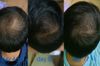
The user is using 1 mg finasteride and 2.5 mg oral minoxidil for hair loss treatment. They experienced shedding between weeks 2-5 and plan to update their progress at 6 months and 1 year.
The user experienced significant hair thickening after one year of using chewable finasteride (1.2 mg) and minoxidil (2.5 mg) without major side effects, except occasional low libido. The user sourced the treatments from Hims and noticed results around 5-6 months, with shedding lasting about two months.
A 20-year-old is using 0.5 mg finasteride daily and 2% ketoconazole shampoo for sudden hair loss, noticing reduced hair fall after one month. Users advise patience, suggesting results may take 6-12 months, and some recommend considering additional treatments like minoxidil if needed.
The conversation is about a 19-year-old male showing his hair loss progress over 6 months using Dutasteride 0.5 mg, oral Minoxidil 2.5 mg twice daily, Biotin 10 mg, and daily Ketoconazole shampoo. He experienced no side effects from the treatments.
The user experienced significant hair regrowth using 1mg finasteride daily and 5% minoxidil twice a day over 6.5 months, improving from a Norwood 3.5 to a Norwood 2. Despite progress, they still feel their hair is thin, especially at the temples.
The user experienced hair regrowth over three months using oral finasteride daily, topical minoxidil 5-6 times a week, a weekly derma stamp, and tretinoin 2-3 times a week. The regrowth includes small hairs, attributed to the treatments.
A user, 42 M, NW 5-6, used oral Dutasteride, Minoxidil, RU58841 topical, micro needling, Nizoral shampoo, saw palmetto gummies, vitamin D gummies, and scalp massages for 2 months. They noticed many small light hairs on previously bald areas and are questioning if these will darken or remain vellus hairs.
A 20-year-old has been using topical minoxidil since 2021, oral finasteride since 2023, oral minoxidil for 6 months, and dutasteride for 2 months to combat hair loss but is still experiencing temple thinning. Suggestions include continuing medication, considering a future hair transplant, and taking monthly progress pictures.
A 30-year-old man has been treating his hair loss with 5% Minoxidil foam, a combination of 0.3% Finasteride and 6% Minoxidil at night, weekly dermastamping with 1.5 mm needles, and 1% ketoconazole shampoo 2-3 times a week for four months. He is asking for opinions on his hair regrowth and whether he can expect full recovery of his crown.
A 21-year-old experiencing significant hair loss is considering a hair transplant and has been using finasteride and biotin, with plans to switch to dutasteride and oral minoxidil for better regrowth. They are seeking advice on the number of grafts needed, with suggestions ranging from 2,500 to 6,000, and are exploring different clinics and treatment options.
The user has taken 0.5mg of finasteride daily for 1 year and 4 months, experiencing hair regrowth and thicker hair without significant side effects. They avoided minoxidil due to side effects and noticed improvements starting at 2-3 months, with significant results at 6-8 months.
The user has tried topical minoxidil and a Hims spray with finasteride and minoxidil, but experienced no hair regrowth. They are considering switching to oral minoxidil, oral finasteride, or both, after consulting dermatologists and receiving a low DHT blood test result.
The user has been on finasteride for over two years, experiencing early hair regrowth, acne, and scalp sensitivity, but now faces thinning hair and questions about dosage and long-term effectiveness. They also used retinal to help with acne and are seeking advice on whether to adjust their finasteride dose.
A 21-year-old university student started using Minoxidil and derma stamping for hair loss over two months ago. Despite poor sleep due to exams, the student is hopeful about improving their sleep schedule during the holidays and notes their hairline remains straight.
The user has been using 0.5 mg oral finasteride and recently switched to 2.5 mg oral minoxidil from topical application. They are observing potential early regrowth with longer baby hairs.
Switching from finasteride to dutasteride and oral minoxidil led to thicker hair and reduced hairline recession. Occasional flushing from minoxidil will be managed by lowering the dose.
The user has been using oral finasteride and topical minoxidil for years without success and is seeking alternative treatments. Suggestions include switching to oral minoxidil, adding dutasteride, trying topical treatments, or considering microneedling.
A 20-year-old male is experiencing worsening diffuse thinning despite using topical minoxidil, topical finasteride with minoxidil, oral finasteride, stemoxydine, and pyrilutimide. He is seeking support and advice as he struggles with the mental and physical challenges of hair loss treatments.
The user shared a 2.5-year hair regrowth update using dutasteride, minoxidil foam, a 1.5mm roller, nizoral shampoo, biotin, multivitamins, and a healthy lifestyle, reporting noticeable regrowth after a year with no side effects. The user uses generic dutasteride and Kirkland multivitamins.
A 42-year-old with a Norwood 2 hairline is using topical minoxidil and finasteride with tretinoin to address hair loss, having previously experienced side effects from oral finasteride and dutasteride. Suggestions include continuing current treatments, considering microneedling, and being patient for results.
The user has been using a combination of minoxidil and finasteride for six months, seeing initial improvement in hair thickness at the crown, but recently noticed a regression. It is suggested to continue the treatment for a few more months as fluctuations are common, and consider switching to dutasteride if no improvement occurs.
The user has been taking 1mg oral finasteride daily for six months but continues to experience significant hair shedding. They are considering whether to continue with finasteride or ask their doctor about switching to dutasteride.
The user used minoxidil unnecessarily for two months due to a perceived hair loss but realized their hairline hadn't changed in 2.5 years. They are concerned about shedding caused by minoxidil and whether stopping its use will allow regrowth or cause permanent damage.
The user started oral finasteride and minoxidil in November 2024, initially saw improvement, but has experienced increased shedding since April 2025. They are concerned the treatment may not be effective anymore and seek advice.
A user is seeking advice on using a DIY solution of topical finasteride (Fynzur 2.275mg/ml) mixed with minoxidil for hair loss. They are concerned about achieving full scalp coverage and prefer using a scalp applicator over a spray.
A 21-year-old shared progress pictures showing hair regrowth after using finasteride (1mg daily) for 4 months and minoxidil (topical, 1ml daily) for 6 months, with no significant side effects. The user experienced initial shedding but now reports no hair loss when running fingers through hair.
The user regained most of their hair using Minoxidil, Finasteride, and Dermarolling. They found Dermarolling particularly effective, as it promotes growth factors and improves hair thickness.
A 22-year-old is using a hair loss treatment stack of 5% topical minoxidil, 0.1% topical finasteride, and oral minoxidil. They are avoiding oral finasteride due to concerns about side effects and hope this combination will stop thinning and promote regrowth.