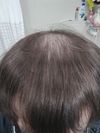
Pyrilutamide, a potential hair loss treatment, and how it compares to existing treatments such as Minoxidil, Finasteride and RU58841. Real-world results are being discussed to determine its effectiveness.
Actifollic selling Pyrilutamide as a treatment for hair loss, with people debating its efficacy compared to Minoxidil and Finasteride in combination with RU58841.
A user shared their experience using topical finasteride for 6 months, showing a reduction in DHT levels but no visible improvement in hair loss. They are considering switching to oral finasteride for potentially better results.
User is scared to start finasteride for hair loss due to potential side effects and personal concerns. Another user suggests trying a low dose for 6 months and avoiding online groups to reduce anxiety.
Treatments for hair loss, such as topical minoxidil, platelet-rich plasma therapy with or without minoxidil, ketoconazole, non-abative radio frequency, natural products, finasteride and cortexolone 17 alpha propionate. The post evaluates the efficacy and safety of these treatments in various studies.
A 19-20-year-old has been using 0.5 mg of dutasteride daily for a year to combat hair loss, avoiding minoxidil due to side effects. They plan to continue this regimen and consider a future hair transplant, experiencing no significant side effects from dutasteride.
The user experienced visible hair improvement after using oral minoxidil (5 mg daily) and finasteride (1 mg daily) for less than a year, with no noticeable side effects. They encourage others to try these treatments if they notice signs of hair loss.
A user is documenting their natural approach to treating a receding hairline using a dermastamp, essential oils (rosemary oil at 3% dilution with pumpkin seed oil), a multivitamin with vitamin D, and daily collagen shakes. They acknowledge the common recommendations of minoxidil and finasteride but prefer to test natural methods and share their results.
A user shared their success with 1mg daily finasteride, regrowing their crown hair significantly over 15 months without side effects. The user attributes their results to being a hyper responder and did not use minoxidil or other treatments.
The user is experiencing hair thinning despite using finasteride and minoxidil with added tretinoin, and is considering switching to dutasteride. Suggestions include trying dutasteride, oral minoxidil, microneedling, and possibly a hair transplant for better results.
The user plans to stop finasteride after three months, believing hair loss isn't due to DHT, and will continue with oral minoxidil, microneedling, and ketoconazole shampoo. They suspect stress and poor nutrition are the main causes and seek opinions on DHT blockers' effectiveness.
Counterfeit minoxidil can be identified by inconsistencies in bottle fill levels, label details, and smell compared to genuine products. Genuine minoxidil has a specific alcohol-based smell and consistency, while counterfeit versions may smell musky and feel greasy.
A user shared their 16-month hair regrowth progress using finasteride, oral minoxidil, and micro-needling, noting significant improvement and minor side effects like stray ear hairs. Consistency in treatment was emphasized, with noticeable hair improvement within the first 6 months.
The user has been using finasteride and topical minoxidil for hair loss since April 2024 but feels their condition has worsened. They are considering switching to oral minoxidil or dutasteride for better results.
RU58841 helped regrow hairline without side effects for a bodybuilder using PEDs. The treatment included RU58841, finasteride, minoxidil, GKH-Cu, microneedling, and HGH.
A 21-year-old experienced significant hair regrowth using oral finasteride for 7 months, initially with minoxidil but later stopped due to inconvenience. He had no major side effects, except a temporary increase in sex drive, and plans to continue finasteride.
A 23-year-old male experienced significant hair improvement over 9 months using dutasteride, minoxidil, finasteride, PRP, and red light therapy, with no side effects. He plans to continue treatment for 6 more months before deciding on a hair transplant.
A 20-year-old male has been using oral minoxidil for hair thinning but is considering adding finasteride due to recent thinning and DHT effects. He plans to consult a dermatologist for finasteride to maintain or regrow hair.
After switching from finasteride to dutasteride, the user experienced a 25% increase in total testosterone and a 150% increase in free testosterone, with side effects like brain fog and nipple tingling. The user plans to consult a lab for accuracy and adjust the dutasteride dosage to manage side effects.
A 20-year-old experiencing hair loss uses minoxidil, Nizoral shampoo, vitamin D, and biotin. They are considering finasteride or dutasteride and are advised to consult a doctor for diagnosis and possible oral treatments.
PP405 is a potential new hair loss treatment that might replace finasteride and minoxidil, but it is still in clinical trials and may not be available until 2028-2031. There is skepticism about its effectiveness, with only a 20% increase in hair density observed in some participants.
Various treatments for hair loss include minoxidil injections, finasteride, dutasteride, microneedling, Nizoral shampoo, and supplements like vitamin D and biotin. Additional methods mentioned are red light therapy, scalp massages, lifestyle changes, and hair transplants.
The user experienced significant hair regrowth using finasteride, minoxidil, and microneedling, with plans to continue treatment. They are pleased with the results, noting increased hair density and a restored hairline.
A user experienced increased pimples and cysts after two years on dutasteride, possibly due to hormonal changes. Suggestions included seeing an endocrinologist, using supplements like boron and DIM, adjusting diet, and reducing body fat to manage side effects.
The user is considering whether to delay meeting their long-distance girlfriend to undergo a hair transplant or meet her with their current hair loss, having used Dutasteride, Pyrilutamide, and Minoxidil. Most responses advise being honest about the hair loss, suggesting confidence and authenticity are more important than appearance.
Dutasteride is more effective than finasteride for hair loss, with some users experiencing fewer side effects. Users share experiences with dutasteride, finasteride, minoxidil, and biotin, discussing dosage and fertility concerns.
A 17-year-old is considering using saw palmetto for hair loss until they can get finasteride, while currently using minoxidil and ketoconazole. Users suggest that saw palmetto is weak, and recommend continuing minoxidil and ketoconazole until finasteride is available.
A user is seeking advice on using finasteride and minoxidil for hair loss after being unhappy with their dermatologist's advice. They are considering getting finasteride on their own due to prescription challenges.
The user experienced significant hair regrowth after one year of using finasteride, minoxidil, and Nizoral shampoo, with no side effects reported. They noted improved social interactions and emphasized the importance of consistency in treatment.