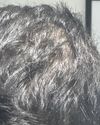
The user is seeking advice on preserving hair follicles at Norwood stage 6 or 7 while waiting for new treatments. They are considering using treatments like Minoxidil, finasteride, or RU58841.
A new hair loss treatment claims a 539% improvement over placebo, but skepticism remains due to lack of substantial evidence and reliance on percentage figures. Users discuss the effectiveness of existing treatments like Minoxidil and Finasteride, expressing doubt about the new solution's impact.
Finasteride is prescribed at 1mg because it is FDA-approved and proven effective, despite evidence that 0.2mg may similarly reduce DHT. The 1mg dose is more effective for hair growth, and lower doses are less available.
The user experienced significant hair regrowth using 1mg oral finasteride, DIM, and beetroot powder, while also focusing on gut health and reducing alcohol intake. Other users discussed the importance of iodine, fermented foods, and maintaining a balanced diet for overall health and hair improvement.
The user has been using topical 5% minoxidil for six months with minimal results and is worried about greasy hair and potential side effects of adding finasteride. Others suggest combining minoxidil with finasteride for better results, while discussing potential side effects like erectile dysfunction.
A user experienced hairline improvement after four weeks on 1.5mg dutasteride but had side effects like reduced libido and sensitive nipples. They plan to switch to finasteride to manage these side effects.
A 20-year-old is experiencing hair thinning and seeks advice on starting treatment and regrowing hair. They are considering using Minoxidil, finasteride, or RU58841.
A serum with oleic and palmitoleic acids shows promise for hair regrowth in mice, but its effectiveness in humans is unproven. Minoxidil and finasteride remain the recommended treatments.
Oleic acid and ethanol are being considered for hair regrowth, with some users planning to self-experiment. There is skepticism about their effectiveness, and ongoing use of treatments like finasteride and minoxidil is mentioned.
The user is experiencing noticeable hair thickening after 4 months of using a topical spray combining minoxidil and finasteride, with no side effects reported. They are considering adding derma rolling to their routine and may switch to oral tablets in the future.
A 45-year-old male used topical Minoxidil 12.5% and Finasteride 0.5% nightly for a year, with noticeable hair improvement and no side effects. He also used a dermal roller monthly and continued using creatine, attributing his hair's healthier appearance to the treatment.
Hair loss greatly affects mental health and social life for young men. Treatments like finasteride, minoxidil, and hair transplants are common, with mixed success and ongoing self-esteem challenges.
Stopping hair loss treatments like finasteride and minoxidil can result in losing regrown hair, highlighting the importance of consistent use. Restarting these treatments may cause temporary shedding, but hair can regrow with continued use.
PP405, a potential treatment for male pattern baldness, shows promise with some participants experiencing hair regrowth in early trials. However, it is not yet considered a cure and may be used alongside existing treatments like minoxidil and finasteride.
PP405 is a new hair loss treatment facing mixed reactions due to initial hype and insufficient data. Some are hopeful, but many doubt its effectiveness compared to minoxidil and finasteride.
The user experienced significant hair regrowth using topical dutasteride, finasteride, and minoxidil, despite inconsistent application. The combination appears effective, possibly due to reduced scalp DHT levels, allowing minoxidil to work better.
A 21-year-old male used low-dose 5% topical Minoxidil inconsistently for four months, resulting in stopped hair shedding and improved hair density, though the hairline remained unchanged. Users discussed the potential use of finasteride and other treatments, with some suggesting consulting a dermatologist for further advice.
Finasteride is seen as risky for men due to side effects like erectile dysfunction, while hormonal birth control for women is normalized despite its side effects. The discussion points out a double standard influenced by societal and gender norms.
The user is considering starting finasteride for hair loss prevention, expressing concerns about potential side effects like reduced libido and erectile dysfunction. They are currently taking saw palmetto, vitamin D, zinc, vitamin C, and biotin but are unsure if these will be effective.
The user has been taking 2mg oral minoxidil and 1mg finasteride but has seen no hair regrowth after 8 months, leading to concerns about being a non-responder. They are considering increasing the minoxidil dosage or switching to dutasteride, while also using keto shampoo and microneedling, but remain skeptical about the effectiveness of minoxidil.
Hair follicles usually go dormant rather than die, and treatments like finasteride, minoxidil, and hormone therapy can sometimes reactivate them, though results vary. Complete regrowth is rare, especially in long-term bald areas, but some individuals see significant improvement with these treatments.
The user is experiencing white flakes and a greasy look from using a topical solution containing 0.025% finasteride, 8% minoxidil, 0.01% retinoic acid, and 1% hydrocortisone. Suggestions include reducing application frequency, using a brush to clean the scalp, and considering alcohol-free alternatives.
Dutasteride is more effective than finasteride for hair loss as it blocks more of the enzyme causing hair loss. New treatments like stem cell therapies and alternatives to minoxidil are being explored, but major advancements are still years away.
Hair transplants for NW7 individuals are challenging due to limited donor hair, often resulting in thin coverage unless body or beard hair is used. Treatments like minoxidil and finasteride are mentioned to support hair density and growth.
The conversation is about a user experiencing small hair regrowth after 4 weeks of using oral Minoxidil and Dutasteride, and considering a future FUE transplant. Some users express skepticism about the regrowth, while others share similar experiences or doubts about the effectiveness of the treatment.
Finasteride and dutasteride can stop hair loss and improve skin, with some users experiencing increased libido and harder erections. However, some report side effects like softer erections and brain fog.
Minoxidil can initially cause hair shedding but often leads to increased hair count over time, with some users experiencing noticeable improvements within weeks. Combining Minoxidil with Finasteride may enhance hair health, though individual results vary.
The conversation discusses impressive hair regrowth results using finasteride, minoxidil, and microneedling over 20 months. Some users suspect a hair transplant or hair system, while others inquire about specific product details and side effects.
The conversation discusses hair regrowth using dutasteride and oral minoxidil, with the user reporting significant improvement in hair volume after combining these treatments. Some side effects mentioned include changes in libido and increased facial hair, but overall, the user is satisfied with the results.