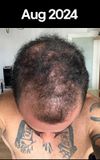
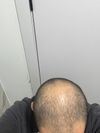
Evaluating the effectiveness of taking oral minoxidil as a hair loss treatment, in comparison to finasteride and topical minoxidil; discussing potential side effects of using oral minoxidil.
Whether Finasteride can keep alive the hair gained by Minoxidil after quitting it, and why beard hairs are not as susceptible to miniaturization. It is suggested that scalp hair may be dependent on Minoxidil and that DHT could be countered with Finasteride to some extent, but there is no definitive data proving this.
User shares 4-month hairline progress using minoxidil, finasteride, nizoral, and dermarolling. Others discuss treatment details and express admiration for the results.
Naepo's 5-month progress report detailing their journey of treating male pattern baldness with dutasteride and oral minoxidil, which has already resulted in an encouraging improvement in hair density. Others have responded with appreciation for the thorough report and asked further questions about Naepo's educational background.
The user noticed a significant improvement in hair loss after 3.5 months using a topical treatment of 7% Minoxidil, 0.1% Finasteride, and 0.025% Tretinoin, which was prescribed and shipped from a pharmacy in Indiana. Other users discussed alternative products with varying concentrations of Minoxidil and Finasteride.
The conversation discusses impressive hair regrowth results using finasteride, minoxidil, and microneedling over 20 months. Some users suspect a hair transplant or hair system, while others inquire about specific product details and side effects.
A user shared their positive experience using Fleava (copper peptides), minoxidil, and micro needling for hair regrowth, noting significant improvement in their hairline. Other users believe the success is primarily due to micro needling and minoxidil.
A user shared a 60-day progress update on hair regrowth using only 5% Minoxidil foam once daily. Others suggested adding finasteride to address the underlying cause of hair loss and maintain long-term results.
The user shared their positive hair regrowth experience using saw palmetto tablets, 5% minoxidil spray, and a Derma Pen. The conversation debates the effectiveness of saw palmetto versus finasteride, with some advocating for natural treatments and others emphasizing the proven results of finasteride and minoxidil, often in combination with microneedling.
This conversation discusses the potential benefits of using oral minoxidil and finasteride to treat hair loss, with some users sharing their own experiences in taking the medications. Others express concerns about the safety of these treatments.
, you can find it online with a script
This user was discussing their progress with hair loss treatments including 5mg oral Minoxidil and combining 3mg oral Minoxidil with MTF HRT. They also discussed side effects of increased body hair in other parts of the body.
A user reported using a 1mm derma stamp, rosemary oil, and pumpkin seed oil for 2 months and noticed baby hair growth where there was none before. They are questioning if this is real growth or just miniaturized hair.
A 17-year-old is experiencing hair loss despite using 5% topical minoxidil, 0.05% tretinoin, and oral minoxidil, and is considering starting oral finasteride after a dermatologist suggested a hair growth spray with Capixyl, Redensyl, Anagain, and Saw Palmetto. Users advise caution with finasteride at a young age, suggesting starting with topical finasteride and consulting an endocrinologist.
The post discusses a user's hair regrowth journey from September 2020 to June 2023, using treatments like Finasteride, Dutasteride, and 5% Minoxidil. The user shares progress pictures, discusses the effects of the treatments, and answers questions about his routine and experiences.
The effects of finasteride and dutasteride on beard growth, whether minoxidil would help with facial hair loss caused by DHT blockers, and anecdotal evidence from users who have experienced either decreased or increased facial hair density while using these treatments.
Using topical fin and minoxidil (as well as potentially microneedling) for hair loss over a two year period, with the user reporting great progress. Additional questions were asked about dosage amounts, haircuts and side effects of these treatments.
The conversation discusses a hair loss treatment regimen involving 1mg finasteride every other day, 5% minoxidil twice daily, and a fin/minoxidil mix on non-pill days. The user is considering whether to continue this regimen or switch to daily finasteride or try other treatments like dutasteride.
The user experienced hair shedding after using finasteride and topical minoxidil since August 2024, and briefly adding oral minoxidil in early 2025. They suspect the shedding might be due to the oral minoxidil, a bad batch of finasteride, or a normal shedding cycle, and are also experiencing an itchy scalp and acne.
A user's experience with hair loss treatments, specifically Minoxidil and finasteride, which they have used without side effects for a year. Other users shared their experiences and advice about potential side effects and supplements to help.
A user who started using minoxidil and finasteride topically, micro needling weekly, Nizoral twice per week, and switched to sulfate free shampoo and conditioner. The user reported that after 1 month and 1 week of this routine they noticed their hair was thicker and healthier, with less shedding and no more dandruff or itching during workouts.
People shared their experiences with minoxidil for hair loss, noting varied timelines for seeing results, with some experiencing gains around 3-12 months. Some users also discussed using both oral and topical minoxidil, and one mentioned the need for combining treatments like finasteride for better results.
The user has been using minoxidil and finasteride for 3.5 months and has seen a 20% improvement in hair density. They are advised to continue treatment and consider switching agents or adjusting dosages if needed.
A user seeks advice on treatments for his mother's hair loss, considering Minoxidil, Finasteride, and shampoos. The mother is being monitored for breast cancer, which may be relevant.
A 24-year-old is struggling with hair loss despite using treatments like dutasteride, oral minoxidil, RU58841, and considering a hair transplant. They are advised to continue medication, possibly increase dosages, and explore additional treatments like tretinoin and tacrolimus.
The user has been using oral minoxidil, finasteride, and dutasteride to prevent hair loss, despite not showing significant balding. Many commenters believe the treatment is excessive, while some support early prevention.
A user discusses their experience with dissolving high concentrations of minoxidil in various ethanol/PG ratios and mentions difficulties with combining it with RU58841. They note that a 5% minoxidil solution remains stable, while higher concentrations tend to precipitate.
User sees hair regrowth progress after 3 months using minoxidil, finasteride, derma rolling, keto shampoo, scalp massaging, and anti-thinning shampoo/conditioner. Others agree there's visible improvement.
Male androgenetic alopecia is commonly treated with topical minoxidil and oral finasteride, both requiring continuous use. Other options include hair restoration surgery, dutasteride, light therapy, and camouflaging agents.
A user shares optimism about combating male pattern baldness using oral and topical minoxidil, highlighting the advancements in treatments available today. Another user agrees, noting that early treatment can yield good results, and mentions the availability of affordable hair transplants.
The user has been on finasteride and minoxidil since 2020 and increased dutasteride and minoxidil doses in June 2024, but still experiences hair loss. Despite trying pyrilutamide without success, opinions vary on whether the hair loss is significant, with some suggesting it might be due to lighting, angles, or a regular shedding cycle.