Dutasteride doses matter for hair loss treatment and are more effective than finasteride. RU58841 is suggested for better gains, but side effect profiles should be considered.
The user managed hair loss with RU58841 and finasteride but is now experiencing graying hair, possibly due to stopping oral minoxidil. Many responses suggest embracing or dyeing gray hair, emphasizing that having gray hair is preferable to balding.
A user shared their positive experience with MoriTint, a Korean scalp micro pigmentation technique that enhances the appearance of hair density without being permanent. They now offer this service in Los Angeles and emphasize its benefits for those with thinning hair, while clarifying it is not suitable for those with significant hair loss or baldness.
The conversation discusses increasing the dose of oral minoxidil from 2.5mg to 5mg for better hair density, with concerns about potential side effects like heart rate changes and fluid retention. Users suggest consulting a doctor, considering individual tolerance, and exploring other treatments like dutasteride.
A user experienced sudden hair loss after 8 months on finasteride and minoxidil with tretinoin. Suggestions included stopping tretinoin as it might cause hair loss in some individuals.
A young man faces severe hair loss in his early 20s, using treatments like dutasteride and minoxidil with little success, impacting his self-esteem and relationships. He considers hair systems and therapy as potential solutions.
Finasteride may help users look younger by suppressing DHT, affecting skin and hair. Users also emphasize skincare, sunscreen, and lifestyle for maintaining a youthful appearance.
Users discussed their experiences with hair loss treatments, primarily finasteride (Fin) and dutasteride (Dut), often combined with minoxidil (Min) and derma rolling. Many reported mixed results, with some seeing slowed hair loss and others experiencing side effects or minimal improvement.
A 37-year-old male shared his 3-month progress using oral finasteride, oral minoxidil, and microneedling for hair loss, showing significant improvement. He experienced initial side effects like anxiety, low mood, and testicular ache.
A 37-year-old male started a hair loss treatment 7 weeks ago using 1mg finasteride, 1.5mg minoxidil, and microneedling, with noticeable coverage improvement except for the right temple. He is considering a hair transplant in the future if needed.
The conversation discusses using daily microneedling at 0.25mm and red light therapy to enhance hair regrowth, especially when traditional treatments like finasteride and minoxidil become less effective. The combination is said to improve hair density and thickness, with red light therapy being more cosmetic, while microneedling is essential for challenging areas.
Dutasteride and oral minoxidil improved the user's hair thickness, darkness, and curliness, making them look more attractive and younger. The user takes 0.5mg of dutasteride and 2.5mg of minoxidil daily.
People shared experiences of hair loss after stopping minoxidil, despite also using finasteride. Some tried microneedling or hair transplants, but stopping minoxidil often led to significant hairline recession.
The conversation discusses using peppermint oil for hair loss, with one user applying it undiluted to the scalp and another combining it with finasteride and microneedling. Some believe in its effectiveness despite limited scientific evidence, and also mention rosemary oil as potentially beneficial.
The conversation discusses using finasteride and ashwagandha for hair loss, with some users noting potential benefits and drawbacks. Minoxidil, peppermint oil, and creatine are also mentioned, with mixed opinions on their effectiveness.
A 27-year-old male is seeking advice on starting hair loss treatments in the UK, considering options like oral and topical finasteride and minoxidil. He is unsure whether to start with finasteride or dutasteride and is looking for guidance on choosing the right treatment.
The user is concerned about the lack of improvement in hair density 12 months after a hair transplant on the crown, despite using minoxidil. The doctor suggests the native hair is thinning, but the user disagrees.
OP increased their dutasteride dosage from 0.1mg to 0.5mg and initially saw regrowth but is now experiencing significant hair shedding. They are concerned if this shedding is normal or if they should revert to the lower dosage.
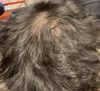
The user is experimenting with GHK-Cu and AHK-Cu to stop hair loss and promote hair growth, using a serum from Etsy and injectable GHK-Cu. They supplement this with dermastamping and ketoconazole shampoo.
A user is seeking a prescription for DUT (Dutasteride) after limited success with finasteride and minoxidil for hair loss. They are advised to explore telehealth services for potential prescriptions.
Starting Minoxidil now won't affect future Finasteride gains; they work differently and can be used together. It's suggested to start Minoxidil to maintain hair health until Finasteride can be started, and consider additional treatments like Ketoconazole shampoo, derma rolling, and rosemary oil for support.
The user is considering switching from topical to oral minoxidil to address thinning hair and a receding hairline. They are currently using topical minoxidil with tretinoin, finasteride, and ketoconazole shampoo without side effects.
The user has been using Dutasteride and oral Minoxidil for hair loss but hasn't seen desired results and is considering Advanced PRP with autologous exosomes. Some users suggest these treatments are scams, while others discuss increasing Dutasteride dosage or exploring other options like low-level laser therapy.
The user is frustrated with hair loss despite using finasteride and is considering a hairpiece as a solution. Suggestions include trying a buzz cut, considering dutasteride or oral minoxidil, and addressing potential dietary issues.
The conversation discusses hair loss treatments, specifically Minoxidil, finasteride, and RU58841. The user is contemplating whether to continue or stop using these treatments.
A person had three hair transplant surgeries using 7,600 grafts from scalp, beard, and chest, along with finasteride and minoxidil. Reactions are mixed, with suggestions for alternatives like hair systems or scalp micropigmentation.
A 32-year-old male shared progress pictures after one year of using oral finasteride 1 mg and 10 months of oral minoxidil 5 mg for hair loss. He seeks advice on whether to continue treatment or consider a hair transplant.
A user shared their hair transformation over four months using daily 2.5mg oral minoxidil, every other day 1mg oral finasteride, weekly dermastamping, and daily scalp massages, with plans for a hair transplant. Another user suggested continuing the medication for a year before considering a transplant.
The user has been microneedling weekly for almost 8 months without seeing progress and is experiencing shedding. They are also using finasteride daily and Kirkland minoxidil twice a day, and had a hair transplant after starting finasteride.
A 19-year-old experiencing hair loss for two years is using Minoxidil and topical finasteride. They are seeking advice on the type of balding they have and the best treatment approach.
![[GHK-Cu+AHK-Cu experiment] Stopping hair loss and promoting hair growth](/images/assets/a2fe9e48-31eb-4e92-a763-614a7d32f7cd/small/20559.jpg)