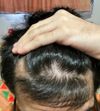
A 20-year-old has been using minoxidil for 6 months and is starting finasteride to address hair loss. They express concern about whether their hair can regrow.
A 25-year-old male has been using oral finasteride and minoxidil for six months without noticeable progress in hair regrowth and is considering switching to dutasteride or a hair transplant. Users suggest giving the treatment more time, adding microneedling, and possibly using topical minoxidil.
The user experienced side effects from oral finasteride and tried mixing it with liquid minoxidil but faced application issues. They are seeking a 5% minoxidil foam with a maximum of 0.15% topical finasteride concentration.
A 25-year-old from Spain is considering starting finasteride for hair loss after using minoxidil for two years with limited success. They seek advice on private dermatology practices in Spain, including prescription processes, treatment duration, and costs, and ask for experiences from others using finasteride.
A 27-year-old is experiencing hair thinning and receding, currently using finasteride and planning to start minoxidil. They seek advice on hairline treatment options, including styling, PRP, peptides, and micro-needling.
The conversation is about making oral minoxidil pills for personal use, including inquiries about ingredients and binders. The user mentions taking 2.5mg of oral minoxidil daily.
The user plans to resume finasteride and minoxidil for hair loss but wants to reduce the finasteride dose to avoid side effects. They are considering taking 0.25 mg or 0.5 mg daily or spacing it out.
A 31-year-old male switched from finasteride to oral dutasteride (0.5mg, 2x a week) and uses liquid minoxidil daily for hair loss. He experienced shedding and regrowth but is considering increasing dutasteride to 3x a week due to concerns about hair density and ongoing issues.
A 58-year-old uses finasteride for hair loss and has tried various shampoos, finding Equate T-gel effective for controlling itching. Nizoral was previously effective but no longer works, and DermaKB hasn't been used long enough to assess its effectiveness.
The user experienced side effects with 1mg finasteride and is considering using a 0.5mg dose to prevent them. Another user suggested splitting the pills to achieve the lower dose.
A 30-year-old male is considering starting finasteride for thinning hair at the crown and is seeking advice on whether to add minoxidil. A user suggests using both treatments for better results.
A 20-year-old has been using minoxidil and microneedling for hair loss but is still losing hair and is considering finasteride or dutasteride for more effective treatment. They seek advice on reliable online sources for purchasing finasteride in Italy.
The user is concerned about using dutasteride for potential hair loss, fearing it might accelerate balding if not effective. They are unsure about the doctor's diagnosis and are considering starting with finasteride instead.
The user experienced a second shedding phase at 7 months while using topical finasteride and minoxidil, which is considered normal. The second shedding phase typically doesn't last as long as the first.
The user is experiencing headaches and dizziness two weeks after starting finasteride at 1.25mg, concerned about potential brain fog affecting math studies. They mention hearing that headaches can be normal after starting finasteride.
A 17-year-old is concerned about hair thinning and unable to see a dermatologist for a year. They are advised to consider using topical minoxidil and possibly finasteride in the future.
The user is experiencing a receding hairline and strong shedding after starting minoxidil 10 days ago, applying it only on the temples. They are considering using it on the entire scalp and have started using conditioner and leave-in treatments for weak, wavy/curly hair.
An 18-year-old is considering using minoxidil for thinning hair at the corners and is cautious about starting finasteride. They are also seeking style advice, with suggestions that fringes can help cover thinning areas.
The user has been using a topical spray with minoxidil and finasteride for 9 months without improvement and is considering switching to oral finasteride with topical minoxidil. Another user suggests trying oral finasteride at 0.5 mg daily, noting its effectiveness in reducing DHT levels, and advises monitoring for side effects over 6-12 months.
A 32-year-old male experienced reduced libido and erectile difficulties after taking Minoxidil and Dutasteride for hair loss. He stopped the treatment and plans to consult his doctor, seeking similar experiences from others.
The user seeks affordable and easy online options for obtaining oral finasteride and minoxidil in the US. They are unsure where to begin and request guidance.
The discussion is about whether to continue reducing finasteride dosage with already low DHT levels. Treatments mentioned include minoxidil, finasteride, and RU58841.
The user started oral finasteride and minoxidil in November 2024, initially saw improvement, but has experienced increased shedding since April 2025. They are concerned the treatment may not be effective anymore and seek advice.
The user started taking 1 mg finasteride daily in September 2024 and began derma stamping twice a week, noticing progress initially but now experiencing increased scalp visibility. They are considering adding oral or topical minoxidil to their routine for further improvement.
The user has been using oral finasteride and minoxidil for hair loss but is considering switching back to topical minoxidil due to persistent scalp issues. Another user suggests an anti-inflammation regimen and oral dutasteride.
Dutasteride and minoxidil initially stopped hair loss, but a minoxidil allergy led to hair thinning. Alternatives suggested include oral minoxidil, microneedling, and ketoconazole shampoo while continuing dutasteride.
A user is seeking advice on using a DIY solution of topical finasteride (Fynzur 2.275mg/ml) mixed with minoxidil for hair loss. They are concerned about achieving full scalp coverage and prefer using a scalp applicator over a spray.
The user forgot their minoxidil and finasteride while traveling in Indonesia and is concerned about hair loss. They are advised that a 6-week break might cause some shedding but not drastic changes, and it's safer to wait for friends to bring the medication due to strict drug laws.
A 25-year-old from Italy is experiencing hair thinning and seeks advice on obtaining finasteride, which requires a prescription in Italy. Suggestions include consulting a local doctor or using telehealth services.