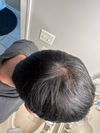
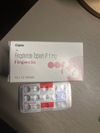
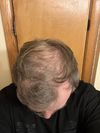
A 42-year-old male has been using finasteride successfully for over 10 years but is now experiencing thinning at the crown. He is considering adding minoxidil or switching to dutasteride for better results.
A user experienced sleep paralysis after starting finasteride and is seeking others' experiences. Another user suggests finasteride might affect neurosteroids, potentially altering sleep patterns.
A 45-year-old male successfully slowed hair loss using Nizoral and low-level laser therapy (LLLT) but cannot use Minoxidil, finasteride, or dutasteride for medical reasons. He seeks suggestions for hair regrowth options.
An 18-year-old is using 0.1% topical finasteride and 1.25 mg oral minoxidil daily for hair loss. After four months, they experienced initial thinning but some regrowth, and are considering switching to dutasteride due to aggressive hair loss.
A 37-year-old man with hair loss and erectile dysfunction is seeking advice on switching from a minoxidil and finasteride spray to pills. He mentions using topical treatments and considering pills like dutasteride, minoxidil, and biotin.
The user is using topical finasteride and minoxidil daily and has had a hair transplant, but their hair remains thin. They are considering using dutasteride to address the issue.
A 23-year-old male experienced nipple sensitivity after starting finasteride for hair loss and stopped using it due to concerns about gynecomastia. He is worried about the risk of developing gynecomastia if he resumes finasteride, especially with plans to increase muscle mass.
A 29-year-old male experienced significant hair density loss in 18 days despite using Finasteride and Minoxidil consistently for years. He suspects the change in brands or other factors like shedding or androgenetic alopecia might be responsible and is seeking advice.
The user experienced hair loss after stopping finasteride and is seeking advice on regaining progress. Suggestions include continuing the current regimen, considering oral minoxidil, adding dutasteride, and using microneedling for better results.
A 19-year-old male has been using 1mg oral finasteride daily for over four months without seeing improvement in hair loss, feeling it may have worsened. Another user reassures him that noticeable results can take up to a year and early shedding is normal.
A 24-year-old male is experiencing a receding hairline and is advised to use topical minoxidil for hair regrowth, while being cautious about finasteride due to potential side effects. Adding ketoconazole shampoo is suggested for scalp health, and consistent use of minoxidil is recommended for noticeable results in 3-6 months.
After taking finasteride for 192 days, the user experienced side effects like depressed mood and decreased libido, along with worsening hair thinning and scalp issues. Despite consulting a dermatologist, the user's hair condition and scalp itchiness have not improved.
The user is considering switching from topical to oral minoxidil to address thinning hair and a receding hairline. They are currently using topical minoxidil with tretinoin, finasteride, and ketoconazole shampoo without side effects.
A 26-year-old male has been using 1 mg finasteride daily for two years, which has stabilized his hair loss but not fully stopped thinning. He is considering adding oral minoxidil but is concerned about potential cardiovascular side effects.
A 20-year-old is concerned about potential counterfeit finasteride purchased online and seeks advice from experienced users. They are worried about hair loss and want to maintain their hairline on a budget.
A 43-year-old is experiencing hair thinning and is considering hair loss treatments. They are hesitant to use topical Minoxidil due to its toxicity to pets and oral Finasteride due to concerns about side effects, and are exploring alternatives like topical Finasteride, oral Minoxidil, or microneedling.
A 26-year-old has been using Dutasteride and Minoxidil for nearly a year but continues to experience hair loss. They are seeking suggestions for other treatments or considering a hair transplant.
Rapid weight loss may have triggered increased hair shedding. Continuing with finasteride, microneedling, a healthy diet, and supplements like MSM and vitamin B is advised, but results may take 6-12 months.
A user seeks advice on using hair fibers for a TV appearance to cover hair loss. Suggestions include practicing application, using a fixing spray, and ensuring color match.
A user is deciding between starting oral finasteride with topical minoxidil or using topical finasteride and minoxidil due to concerns about side effects. They plan to use derma rolling weekly to enhance treatment effectiveness.
A 26-year-old male shared progress photos showing hair improvement after nearly 5 months on oral Minoxidil (4mg), Dutasteride (0.5mg), and biotin (4mg). The photos show noticeable hair growth over time.
The user is experiencing severe hair loss after surgery and stress, with thinning all over the head, including the sides and neck. They are unsure if it's due to DUPA or alopecia areata incognita, and doctors have not observed miniaturization.
A 22-year-old is experiencing hairline recession after switching from topical to oral finasteride, despite using minoxidil. They are considering returning to topical finasteride or trying dutasteride for better results.
A user is considering starting finasteride at a lower dose to prevent hair loss but is concerned about potential side effects. They seek advice on whether others have had positive experiences with minimal side effects.
A 25-year-old male was initially prescribed finasteride, oral minoxidil, and topical minoxidil for hair loss but saw no improvement after a month. His doctor switched him to dutasteride, continued both minoxidil treatments, and added PRP therapy.
The user has been using oral minoxidil, finasteride, and dutasteride for hair loss, along with supplements like arginine and collagen, but has seen no improvement. They also suffer from chronic eczema, which may contribute to hair loss, but it is considered reversible.