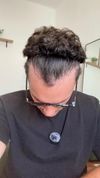
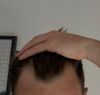
A user shared their 6-month progress using finasteride, minoxidil, and dermarolling for hair loss. They reported positive results but noted ongoing shedding.
User shares 10-year experience using Finasteride and Minoxidil for hair loss with positive results and no significant side effects. Others suggest consistency, microneedling, and considering hair transplants.
A 29 year old female with hair loss issues that have been linked to PCOS; the user has started taking Spironolactone and iron supplements in hopes of regrowing their hair, but is wondering if it's too late.
The user shared a 9-month hair loss treatment routine that includes using Minoxidil, Finasteride, Argan Oil conditioner, Regenpure DR shampoo, fish oil, and a multi-vitamin, while also avoiding sun exposure and maintaining a healthy lifestyle. They reported successful results and provided a link to their progress pictures.
A person experienced hair regrowth after reducing testosterone levels and using saw palmetto tincture and Alpecin shampoo. Other users suggested treatments like Nizoral shampoo, Aldactone, and supplements for hair loss.
Use a stamp or roller for microneedling; stamps are preferred to avoid hair pulling. Clean tools with alcohol to prevent infection, and replace stamps every 4-6 uses.
A user tried microneedling for hair loss with a Dr. Pen at 0.8 mm and experienced bleeding, questioning if the intensity was too much. Others suggested a less aggressive approach, and one mentioned finasteride as a helpful treatment without side effects.
The conversation discusses microneedling for hair loss, with one user trying 0.3mm daily without feeling pain and questioning its effectiveness. Another user suggests that 0.3mm is too shallow and recommends 0.5mm twice a week or 0.75mm once a week for hair growth.
Finasteride and Dutasteride do not cause depression or mood disorders; hair loss itself may be a more significant factor. Some users experience side effects from Finasteride, but it is generally well-tolerated.
A 25-year-old male experienced side effects from finasteride and stopped using it, continuing with minoxidil, vitamin D, and considering microneedling or laser therapy. He is exploring alternatives like topical dutasteride, RU58841, and possibly hair transplants or hair systems.
Topical minoxidil and oral finasteride can effectively improve hair growth and slow hair loss, though results may vary. Consistency is important for achieving significant improvement.
Finasteride and Dutasteride do not cause depression or "Post Finasteride Syndrome," with concerns often linked to the nocebo effect and preexisting mental health issues. The EU is unlikely to ban these drugs, but access may become more restricted due to ongoing debates.
The user shared progress pictures of their hair loss treatment in Spain. They are using Dutasteride, Minoxidil pills, and a topical combination of Finasteride and Minoxidil.
The user is treating male pattern baldness with oral minoxidil, ketoconazole, derma rolling, rosemary oil, and topical minoxidil, and is considering adding finasteride. They are debating between three finasteride dosing strategies: 1mg daily, 1.25mg every other day, or 1.25mg five days a week, focusing on efficacy, safety, and cost.
The conversation discusses using minoxidil spray for hair thinning, with advice to use a dropper for better application. Many users recommend adding finasteride as a DHT blocker for more effective hair loss prevention.
The conversation discusses hair loss treatments, specifically using finasteride and minoxidil, and emphasizes taking proactive steps rather than blaming external factors. It also touches on the reality of side effects and the importance of trying treatments to find what works.
A 38-year-old male is experiencing temple hair loss and is considering treatments like topical Finasteride and Minoxidil, despite concerns about side effects and shedding. He is also contemplating a hair transplant and seeking advice on additional shampoos or supplements.
The user is pleased with their hair transplant results after six months and seeks feedback. The conversation is positive, with others affirming the success of the procedure.
The user has been using oral minoxidil and finasteride but has seen no regrowth, only stabilization of hair loss. Suggestions include considering a hair transplant or adding topical treatments, with some users sharing similar experiences of stabilization without regrowth.
PP405 shows promising results for hair growth, potentially outperforming finasteride without side effects like erectile dysfunction. Users discuss using treatments like minoxidil, pyrilutamide, nizoral, and alfatradiol while waiting for PP405's availability.
The user shared progress on hair regrowth after almost 5 months of using oral finasteride and minoxidil, noting improvements in hair thickness, especially around the crown, with some shedding initially. The user reported no significant side effects aside from shedding and sourced the treatment from Hims.
The user has been using 1mg of finasteride daily for 5 months, noticing hair regrowth and thickening without significant side effects. They have not used minoxidil and plan to continue with finasteride before considering additional treatments.
The user shared their hair regrowth journey using oral finasteride, minoxidil, biotin, and vitamins, along with microneedling. They experienced some side effects but reported significant progress and improvement in hair appearance.
The user experienced significant hair regrowth over three years using a combination of dutasteride, oral minoxidil, dermarolling, and Nizoral shampoo. Initial side effects from finasteride subsided after switching to dutasteride, leading to improved hair density and thickness.
Japanese scientists discovered ABM cells, enabling successful human hair follicle cloning, potentially curing hair loss. The treatment may be available in Japan by 2028, but it will be expensive and require travel.
A 43-year-old is experiencing hair thinning and is considering hair loss treatments. They are hesitant to use topical Minoxidil due to its toxicity to pets and oral Finasteride due to concerns about side effects, and are exploring alternatives like topical Finasteride, oral Minoxidil, or microneedling.
The FDA will now require only one clinical trial for drug approval, potentially speeding up the release of hair loss treatments like PP405. Pelage is expected to present full results of PP405 Phase 2a trials and move to Phase III in mid-2026.
The user experienced hair regrowth with oral minoxidil and finasteride but faced aggressive hair loss after developing IBS, questioning if the condition affects medication absorption. They are considering switching to topical treatments.
PP405 is a potential hair loss treatment showing promise, especially for men with severe balding. Some are hopeful it will be a game-changer for those who cannot tolerate finasteride or minoxidil, despite skepticism about the outcomes.
A 23-year-old plans to use Minoxidil for 4 months, then add Finasteride to assess their effectiveness for hair loss. They will track progress with photos and consider switching treatments if results are unsatisfactory.