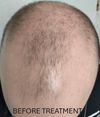
The user shared progress pictures of hair loss treatment using finasteride, minoxidil, and microneedling, expressing hope for recovery after an 8-9 month break. They seek advice on restarting treatment and are optimistic about regaining previous results.
The user started using minoxidil 5% and alternating 1mg finasteride with 0.5mg dutasteride, noticing some hair improvement after two months. They experienced side effects like watery semen and fluctuating libido, but also positive effects like reduced anxiety and clearer skin.
Switching from finasteride to dutasteride and oral minoxidil led to thicker hair and reduced hairline recession. Occasional flushing from minoxidil will be managed by lowering the dose.
The user has been using finasteride for 2.5 years and topical minoxidil for 9 months with minimal regrowth and is considering trying dutasteride or other treatments like microneedling and Maxogen. They are hesitant about a hair transplant and are advised to consider additional treatments or supplements.
A 33-year-old male reports slight hair regrowth and improved thickness after 2.5 months using 1 mg oral finasteride, 2.5 mg oral minoxidil, and a serum with Redensyl, Anagain, Capixyl, and Procapil. Users note slight improvement, especially in the crown area, and suggest patience for more results.
The user claims significant hair regrowth using 2.5mg Minoxidil and 1mg Finasteride over three months, but others question the validity due to differences in hair styling between photos. The user reports no side effects except for body hair growth.
The user had a successful hair transplant with 4,000 grafts and uses 0.5 mg oral dutasteride and topical minoxidil to maintain results. They report minimal side effects and are pleased with the outcome.
The user reported tiny hair growth in thinning areas and improved thickness after 56 days of using 1 mg oral finasteride, 2.5 mg oral minoxidil, and a serum with Redensyl, Anagain, Capixyl, and Procapil. They also take supplements and maintain a healthy lifestyle with no noticeable side effects.
The user shared progress pictures after using 5% topical minoxidil for two years and 1mg finasteride for one year, but many commenters believe the hair looks the same, attributing changes to different haircuts rather than actual regrowth. The user reported no side effects from finasteride, and opinions varied on whether any significant hairline improvement occurred.
Vitamin D supplementation may have led to slight hair regrowth and density improvement. Other treatments discussed include finasteride, minoxidil, and maintaining optimal vitamin D levels.
The user has experienced significant hair regrowth over 2 years and 3 months using 0.5mg dutasteride and 5mg oral minoxidil, with noticeable improvement in the temples and crown. The user is considering a hair transplant but is encouraged by others to continue with the current treatment due to the impressive results.
A 41-year-old man shared his two-year progress using finasteride for hair regrowth, noting significant improvement but wishing he had started earlier. He plans to add oral minoxidil to his routine despite concerns about potential side effects, emphasizing the importance of starting treatment early to combat hair loss.
A 19-year-old trans female has been using topical minoxidil and dermarolling for nearly two months, alongside oral minoxidil, finasteride, spironolactone, and estrogen. She noticed significant hair improvement after starting topical minoxidil and dermarolling.
The conversation discusses using Dutasteride, Finasteride, and Minoxidil for hair loss treatment. The user plans to gradually increase Dutasteride dosage to 2.5mg if no side effects occur, while others suggest combining it with Minoxidil and microneedling for better results.
The conversation discusses hair loss treatments, including oral finasteride, topical minoxidil, and microneedling, and the potential impact of Vitamin D and folic acid deficiencies on hair regrowth. It suggests that while male pattern baldness is the primary cause, addressing vitamin deficiencies may aid in improving regrowth.
The user is using finasteride, topical minoxidil, derma rolling, ketoconazole shampoo, and multivitamins for hair regrowth. They also drink topical minoxidil due to the unavailability of oral minoxidil, despite concerns from others about safety.
The user experienced noticeable hair density improvement after two months on 1.25mg oral finasteride, taken six times a week, without using minoxidil. The user reported no side effects and plans to consider minoxidil in the future.
The user achieved significant hair regrowth using topical Minoxidil and Finasteride over 2.5 years, with results plateauing after a year. They experienced minimal side effects and used microneedling to enhance results.
The user has been using oral Minoxidil, Finasteride, and dermarolling for two months to address hair loss and is considering continuing the treatment until December before possibly switching to Dutasteride. They are hesitant about getting a hair transplant and are exploring other options like SMP, while receiving encouragement and advice from others to continue the current regimen for a longer period to see more results.
The user experienced significant hair regrowth using a combination of minoxidil, finasteride (later switching to dutasteride), and tretinoin over two years. They noticed regrowth almost immediately, with no major initial shedding phase, and reported recession and diffuse hair loss patterns.
The user experienced significant hair regrowth using oral finasteride, minoxidil twice daily, ketoconazole shampoo, and microneedling, despite heavy shedding. They stopped using topical finasteride due to discomfort and maintained progress with their current routine.
Noticeable hair regrowth occurred after two months of using minoxidil and starting finasteride. Users suggested continuing the treatment and considering microneedling for better results.
The user experienced positive results with topical Minoxidil 6%, Finasteride 0.3%, and Tretinoin 0.025% over two months, with improved hair density and no significant side effects except for a dry, itchy scalp. The user uses a biotin shampoo and conditioner to manage scalp issues and applies the treatment once daily.
The conversation discusses hair loss treatments, specifically the use of oral finasteride and topical minoxidil, with the user sharing their two-year progress and routine. The user experienced initial shedding but saw improvements after six months, and they recently started taking dutasteride.
The user has been using finasteride and minoxidil for over two years but is experiencing worsening hair loss. They are considering adding dutasteride, switching to oral minoxidil, and possibly a hair transplant, seeking advice on these options despite potential side effects.
A 37-year-old reported significant hair regrowth and increased confidence after two years of using oral finasteride and topical minoxidil, with no side effects. They are satisfied with the results and are reconsidering the need for a hair transplant.
The user experienced significant hair growth and thickness improvement after 2.5 years of using Dutasteride and oral Minoxidil, with no side effects. They emphasize consistency in treatment and note that their hair can now grow longer and healthier than before.
Significant hair regrowth was achieved in two months using oral finasteride, topical minoxidil, microneedling, and Nizoral shampoo. Some users mentioned side effects of finasteride, like low libido and pain, and recommended consulting a doctor or trying topical alternatives.
A 23-year-old is using 1mg finasteride daily and topical minoxidil nightly, seeing new hair growth after two months. Others share experiences and advice, noting progress and potential shedding.