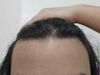
Using finasteride and peptides, including GHK-Cu, improved hair thickness and regrowth. The user also used a KLOW blend and CJC/IPA for better sleep and recovery.
The conversation is about finding reputable clinics in Belgium, the Netherlands, France, or Germany for PRP with double centrifugation or exosome therapy for hair loss. The user seeks recommendations based on personal experiences or good reviews.
User experienced hair loss from Norwood 3.5 to Norwood 5 with diffuse thinning after using a hair system for 2 years. Tried Redensyl, Capixyl, Bicapil, Biotin, multivitamins, Fin, and Min without significant improvement, seeking advice for hair recovery.
Scalp massages may improve hair growth, with noticeable results in a few months. The technique involves detaching the skin from the skull, similar to detumescence therapy, and may be combined with other treatments for better results.
The conversation is about a user's one-year progress after a 3,200 graft FUE hair transplant and their use of oral finasteride and minoxidil. People are impressed with the results and are discussing the effectiveness and cost of the treatment.
A user recommends using a microscope to assess hair density and track hair loss progress, finding it useful for evaluating treatment effectiveness, particularly with dutasteride and minoxidil. They advise against obsessing over hair loss and emphasize focusing on other meaningful life aspects.
The conversation is about experimenting with topical exosomes for hair loss treatment, alongside microneedling, Happy Head's gel-like topical, and Ordinary's hair serum. The user also mentions the availability of treatments like latanoprost and Redensyl.
A 26-year-old male is considering starting the "Big 3" treatments for hair thinning, which include Minoxidil, finasteride, and RU58841, and is unsure whether to begin these treatments or consult a dermatologist first.
Exploring different treatments for hair loss, such as cosmeRNA and HMI-115 which are small interference messenger RNA that inhibits the DHT receptor and an antibody that binds to the prolactin (PRL) receptor respectively; and researching mechanism and environment of hyperresponders.
Affordable 92-LED caps may be more effective for hair growth than expensive 270-laser caps due to higher power output and irradiance. The LED caps deliver more energy to the scalp, making them a cost-effective alternative for red light therapy.
The conversation discusses a new hair growth treatment that showed a 14 hairs/cm2 increase in a trial, with mixed opinions on its effectiveness and potential cost. Some users are hopeful about combining it with existing treatments like oral minoxidil for better results.
The conversation discusses hair loss treatments, mentioning minoxidil, finasteride, RU58841, VDPHL, GT20029, and follicle cloning as potential solutions. It also reveals that the discussion about PP405 was an April Fool's joke.
Han Bio plans to start Phase 1 clinical trials for a hair growth treatment in 2027 after successful results in mice. Many users express skepticism about the effectiveness of treatments that work on mice but not on humans, and discuss existing treatments like finasteride and minoxidil.
A user asked how much people would pay for guaranteed hair cloning, with responses ranging from $3.50 to $20,000. The conversation did not mention specific treatments like Minoxidil, finasteride, or RU58841.
GT20026 is discussed as a potential treatment for hair loss that targets androgen receptors without affecting hormone levels, but it may not promote significant regrowth. It is expected to be available by 2028, with other treatments like Breezula and Clascoterone also mentioned.
The conversation discusses alternative and unorthodox hair loss treatments, including RU58841, nandrolone, and dianabol, as well as theoretical approaches involving high doses of estrogen and selective estrogen receptor modulators. These methods are considered extreme and potentially harmful but are explored for those unable to tolerate traditional 5-alpha reductase inhibitors.
The user is optimistic about hair regrowth after 3 months of using 1mg oral finasteride daily, topical minoxidil twice daily, and microneedling once a week. They report improvements in hair density and color, particularly at the crown and fringe.
Ultrasound imaging can non-invasively detect active and inactive hair follicles, inflammation, and fibrosis, potentially reducing unnecessary biopsies. It may help assess hair growth potential and diagnose scalp issues, but some users believe in trying treatments regardless of ultrasound results.
A user ordered Alpha Plus from Anagenica, expecting it to contain specific percentages of Fin, Estradiol, Minoxidil, and CB0301. However, the received product's label showed different percentages, including a surprising 25% CB, leading the user to question its safety and accuracy.
A user who experienced hair loss at age 23, but started treatment with finasteride, minoxidil, Nizoral shampoo, dermarolling and biotin vitamins at age 32 and saw significant regrowth results in 1 year. Treatment methods such as rolling their head on the carpet were also discussed.
The conversation discusses using estradiol mesotherapy to replicate hormone replacement therapy results while minimizing systemic exposure. It also covers the use of Spironolactone cream, which reportedly has no systemic side effects, and the potential risks of using bicalutamide and Spironolactone in men.
Pelage is moving to Phase III clinical trials for PP405, a hair loss treatment, with results to be presented at a medical meeting. Users express skepticism and hope, comparing it to existing treatments like Minoxidil and finasteride, while discussing the potential for new hair growth in previously bald areas.
Hair transplants have improved significantly from the old "plug" method, which left unnatural results. Modern techniques by skilled doctors can achieve natural-looking hairlines.
A user shared their 14-day recovery progress after a 3450 graft FUE hair transplant in Turkey, noting faster healing possibly due to hydrolyzed collagen supplements. They asked if others had similar experiences with or without such supplements.
A user is starting a hair loss treatment with a 3-in-1 spray containing 6% minoxidil, 0.3% finasteride, and 0.025% tretinoin. Users are skeptical about its effectiveness due to advanced hair loss, but some suggest adding microneedling and using affordable generics.
A hair restoration case involved injecting four different doses of Verteporfin into the mid scalp and using Scalp MicroPigmentation (SMP) around the extraction areas. Photos were taken and an update will be shared soon.
A 27-year-old male experienced significant hair regrowth in two months using a daily oral 3-in-1 pill containing 1.1mg finasteride, 5mg minoxidil, and 1mg biotin from LockLab, with no side effects reported. The user also uses a derma-stamp twice a week to promote blood flow and stimulate growth.