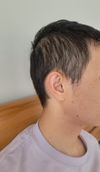
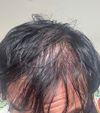
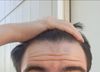
Finasteride changed the user's hair texture from wavy to curly, reverting after stopping. Minoxidil was more effective for temple hair regrowth than finasteride.
The user is experiencing aggressive hair loss and is using minoxidil, microneedling, biotin, and vitamin D. They are considering finasteride or dutasteride and plan to consult a dermatologist for the best treatment.

Sulforaphane, found in broccoli sprouts, promotes hair growth by degrading DHT. Users discuss its potential benefits and joke about unconventional application methods.
Hair loss discussion mentions fibers like toppik becoming difficult to use and questions if there's a better alternative, such as a spray or dermmatch.
The conversation discusses using hair follicle dermal papilla exosomes for hair loss treatment. It inquires about purchasing options for this treatment.
A user shared impressive hair regrowth results after 4 months using topical minoxidil, oral finasteride, and 3 PRP sessions. They plan to continue with these treatments and add dermastamping.
The user started using finasteride and topical minoxidil in September 2023, later adding a Theradome laser helmet, which helped reduce hair shedding significantly. The user reports improved hair coverage and stability, attributing most progress to the medications rather than the helmet.
The conversation is about trying Hair Volume by New Nordic for improving hair quality and density. The product contains biotin, apple extract, millet extract, L-methionine, pantothenic acid, silicon, zinc oxide, and copper sulfate.
The conversation humorously discusses various hair loss treatments and options, including Minoxidil, finasteride, RU58841, biotin, ketoconazole, saw palmetto, dutasteride, and nutrition. It also mentions hair extensions and hairstyling as methods to achieve desired hairstyles.
A user's progress with treating their hair loss, including using finasteride, minoxidil, retinoic acid, dermapenning twice weekly and ket 2% shampoo two to three times per week. Other users offered advice such as not derma penning too often or shaving the area bald for a couple of months.
The user has seen significant hair regrowth using topical minoxidil and dutasteride, with better results than finasteride alone. Despite concerns about hairline and temporal peaks, others believe a hair transplant is unnecessary due to the current hair condition.
The user is frustrated with hair loss despite using finasteride and is considering a hairpiece as a solution. Suggestions include trying a buzz cut, considering dutasteride or oral minoxidil, and addressing potential dietary issues.
The user has been using finasteride and minoxidil for over three years, switched to oral minoxidil, and recently started dutasteride and dermarolling but still experiences thin hair. They are seeking suggestions for improving their hair condition.
An 18-year-old is seeking advice on hairstyles to manage and conceal thinning, fine hair. They are looking for a style that boosts confidence and addresses their long-standing insecurity.
A 43-year-old male has been using oral minoxidil, finasteride, and dutasteride for hair loss, with some stabilization and thin hair growth but no significant cosmetic improvement. He is considering increasing microneedling frequency and exploring other options, as he is concerned about the lack of terminal hair growth.
The user is using Minoxidil, RU58841, CB-03-01, WAY-316606, Ketoconazole, MK-677, and derma stamping to treat hair loss and has noticed new hair growth, especially around the temples and hairline. They apply different treatments at various times of the day and have seen improvements in skin condition and body hair texture.
User reports being on finasteride for 3 months, experiencing initial shedding but noticing new hair growth and increased density. They also started using castor oil daily and considered trimming their long hair to improve visual thickness.
The user experienced significant hair regrowth over three years using a combination of dutasteride, oral minoxidil, dermarolling, and Nizoral shampoo. Initial side effects from finasteride subsided after switching to dutasteride, leading to improved hair density and thickness.
A user experienced positive hair regrowth using oral and topical minoxidil, oral dutasteride, microneedling, and supplements. They noted improved hairline and temple density with minor side effects like a few forehead pimples.
The user is experiencing excessive hair thinning and is unsure of the cause. They are seeking opinions on treatments like Minoxidil, finasteride, and RU58841.
The conversation discusses concerns about potential hair thinning over two years, with suggestions to monitor changes and consider treatments like Minoxidil and finasteride if needed. The user is advised to refer to a beginner's guide for more information.
Hair loss treatments like minoxidil, finasteride, and dutasteride, with mixed results and suggestions for combining treatments or considering hair transplants. Some users experience no improvement or side effects.
Blocking DHT is not a cure for hair loss; instead, altering how scalp follicles respond to DHT might be more effective. Current treatments like topical finasteride and minoxidil are temporary solutions, and future approaches may involve gene therapy and bioengineering to change follicle behavior.
A user shared their 4-month post-hair transplant progress, noting they use oral minoxidil, oral finasteride, biotin pills, and a hair repair serum. They are pleased with the results and hope for increased hair density.
A 23-year-old male had a hair transplant with 3500 grafts and is using finasteride, minoxidil, hair vitamins, and a keto shampoo. He seeks advice on crown regrowth and when to start dermastamping.
Hair loss treatments, including PP405, minoxidil, finasteride, and RU58841, with hopes for future solutions. Participants discuss the emotional impact of hair loss and consider alternatives like hair transplants or acceptance.
A 21-year-old male is using oral finasteride, topical minoxidil, and microneedling to improve hair density and regrowth but remains dissatisfied with the results. He is considering whether continuing finasteride for two years might help.
Hair loss treatments discussed include Minoxidil, finasteride, and RU58841. The conversation humorously reflects on past hair loss solutions and the potential of hair cloning.
A user successfully regrew hair using 1mg finasteride, switching to 0.5mg dutasteride, and maintaining 5mg oral minoxidil, with significant improvements noted after switching to dutasteride. The user experienced shedding phases but ultimately achieved regrowth and is now comfortable without wearing a hat.