The conversation discusses experimenting with microneedling for hair loss, with OP considering using a 3mm derma-stamp. Other users advise against going beyond 1.5mm to avoid damage.
A user's progress with using Minoxidil, finasteride, and microneedling to treat hair loss; another user mentioned a Japanese study that found better results for hairy individuals on finasteride.
The user shared a 4-month update on their hair regrowth journey using finasteride, minoxidil, and microneedling, reporting significant progress and styling ability. They emphasized persistence, shared their regimen details, and addressed side effects like weaker erections and blurry vision, which improved with lifestyle changes.
Finasteride, Minoxidil, Nizoral, and Dermarolling successfully regrew the user's hair over 18 months. The regimen included daily Finasteride, Minoxidil, vitamins, and weekly dermarolling.
The user is experiencing slow but noticeable hair regrowth using 1mg finasteride daily, 5% minoxidil, microneedling, and vitamins. They have also adopted healthier lifestyle habits and are considering a hair transplant in the future.
A user recommends using a microscope to assess hair density and track hair loss progress, finding it useful for evaluating treatment effectiveness, particularly with dutasteride and minoxidil. They advise against obsessing over hair loss and emphasize focusing on other meaningful life aspects.
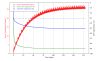
A Dutasteride Simulator predicts serum dutasteride, serum DHT, and scalp DHT levels using models from research papers. It simulates various dosing schedules to determine steady-state effects and visualizes outcomes, including hair growth-related scalp DHT suppression.
The user experienced hair regrowth using finasteride, biotin, folic acid, vitamin D3, and microneedling, despite initial shedding. Vitamin D3 deficiency caused hair loss and insomnia.
PTD-DBM therapy for hair loss is being developed by Dr. Kang-Yell Choi, with human testing planned in South Korea. Some clinics in the U.S. offer PTD-DBM/valproic acid therapy, but it hasn't completed trials yet.
A 19-year-old male shared his 3-month hair regrowth progress using finasteride, minoxidil, and microneedling, with noticeable improvement. He uses 1mg oral finasteride daily, 5% minoxidil foam twice a day after day 80, and microneedles with a 1.5mm derma stamp every 1-2 weeks.
The conversation discusses hair transplants, including the use of techniques like FUE and the importance of a good donor area to avoid visible bald patches. It also touches on alternative treatments like Minoxidil, Finasteride, and Pyrolutimide, and debates the idea of embracing baldness versus seeking treatments.
A user who was able to regrow hair loss with 1mg of finasteride daily over 3 years, the effectiveness of finasteride for different races, and potential side effects associated with taking finasteride.
The user reports improvement in temple hair after three weeks of using finasteride, minoxidil, ketoconazole, microneedling, stemoxydine, and follicopeptide. They note visible progress by maintaining the same hair length for comparison.
A person had three hair transplant surgeries using 7,600 grafts from scalp, beard, and chest, along with finasteride and minoxidil. Reactions are mixed, with suggestions for alternatives like hair systems or scalp micropigmentation.
The conversation discusses hair regrowth treatments, including stem cell exosomes, PRP, and PP405. Users question the effectiveness of the treatments and mention finasteride and minoxidil.
The conversation discusses a patent filed by Shiseido for cloning Dermal Papilla (DP) cells to treat hair loss. The method involves using viral vectors to maintain the cells' growth-inducing properties, differing from Replicel's approach with Dermal Sheath Cup (DSC) cells.
The conversation discusses HMI 115, a new hair loss treatment with promising results, showing a significant increase in hair density after two months. Some users are skeptical, while others are hopeful for its release and potential affordability.
Dermal incision with verteporfin is being explored as a potential hair loss treatment by dermatologist Melissa Toyos, with promising before-and-after photos shared on social media. The conversation discusses its potential effectiveness compared to other treatments like Minoxidil, Finasteride, and RU58841.
The conversation is about optimism for new hair loss treatments like Stemson's bioengineering, osteopotin, SCUBE3, GT20029, and Verteprofin, and inquires about other notable treatments.
A 31-year-old male shared his 3-year progress using finasteride 1 mg daily, with additional treatments including nutrafol, multivitamins, vitamin D, marine collagen, PRP scalp injections, micro-needling, and Nizoral. He experienced temporary libido issues but currently has no side effects.
The user experienced improved hair density and thickness after using finasteride and dermarolling for 2.5 years but noticed hair loss when doing anaerobic exercise. They increased their finasteride dose and continued dermarolling but are considering not starting minoxidil due to its perceived hassle and uncertain long-term benefits.
The user saw no significant changes in hair loss after three months on 3mg Dutasteride, having previously used Finasteride and 0.5mg Dutasteride. They plan to continue the high dose for a year despite concerns about side effects and diminishing returns.
A user shared their 3-month progress using finasteride, minoxidil, ketoconazole, dermaroller, coconut oil, and rosemary oil for hair loss. They reported improvements in their hairline and crown.
The conversation is about hair transplants in America, specifically the availability of DHI. The user is currently using finasteride and plans to use microneedling, oral castor oil, and eventually undergo FUE or DHI.
The user showed 2-3 years of hair regrowth progress using oral finasteride, topical minoxidil, and microneedling. They plan to switch to oral dutasteride and Liposomal Minoxidil Sulfate for better results.
The use of tropoelastin injections and verteporfin for hair transplant recipients to help regrow donor area hairs, as well as research done on tropoelastin injections restoring elastin in scarred heart tissue and skin. There are discussions about why it is taking so long to get cosmetic mass produced tropoelastin injectables on the market.
A 27-year-old male experienced significant hair regrowth in two months using a daily oral 3-in-1 pill containing 1.1mg finasteride, 5mg minoxidil, and 1mg biotin from LockLab, with no side effects reported. The user also uses a derma-stamp twice a week to promote blood flow and stimulate growth.
Chinese researchers have successfully created hair follicles in vitro, potentially offering unlimited hair for transplantation and a cure for hair loss. They plan to test these follicles in vivo on human scalps.
The user shared progress pictures and experiences after nearly three years of using 1mg finasteride daily, cicloprox shampoo, and weekly jojoba oil massages. They reported initial shedding and side effects but eventually saw increased hair density and regrowth, with plans to continue the treatment.
A 21-year-old female shared her 4-month hair growth progress using Minoxidil 5%, finasteride 1mg, Theradome LLLT, Viviscal vitamins, and PRP treatments twice. Commenters praised her progress and discussed other treatments like microneedling, but she noted her dermatologist advised against it due to potential scalp damage.