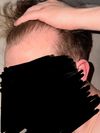
User is excited about hair regrowth progress after 3 months using finasteride, minoxidil, dermarolling, and biotin. Initial side effects included chest tightness and faster heartbeat, but none persist.
The user has been using oral finasteride and topical minoxidil for 4 months and is questioning if there's regrowth. Responses suggest that diffuse thinning takes longer to show results, but there is some progress noted.
Stem cell treatment research shows promise in reversing hair loss in mice, but it's likely 10 years away and expensive. Current recommended treatments include minoxidil, finasteride, and hair transplants.
The conversation discusses the best vehicle for topical dutasteride, comparing Trichosol, Transcutol, and a gel version. It also mentions using Transcutol with ethanol to enhance transdermal delivery of Bimatoprost.
The conversation discusses the synthesis and potential use of JXL069 and PP405 for hair loss treatment, with skepticism about their effectiveness and concerns about safety. Users mention that JXL069 has shown no results in hair growth, and there is confusion about its identity and effectiveness compared to PP405.
The user is using RU58841, Revivogen, Regenepure ketoconazole shampoo, and plans to use a stimufield cap to address hair loss. They aim to avoid finasteride and minoxidil while hoping to stop hair loss and regrow hair.
Some individuals experience side effects from 5AR inhibitors like finasteride and are considering hair transplants without these medications, with some opting for surgeons like Dr. Zarev. Others are exploring alternative treatments and waiting for new medications in development, while some discuss managing side effects through lifestyle changes or additional medications.
A user shared their 6-month update after a 5000-graft hair transplant at Sule Hair Clinic in Istanbul, noting a smooth procedure and ongoing growth without using finasteride or minoxidil. Some users expressed concerns about the decision to avoid these treatments, predicting potential future hair loss issues.
The conversation discusses hair regrowth using finasteride, minoxidil, and a dermaroller. Users also talk about the benefits of using a stamp over a derma roller for scalp treatment.
User had minor hair transplant in 2020, used Fin since 2008, Min since 2014, and added microneedling in 2022. Routine was irregular with no severe effects.
A user is interested in Absci's AI-driven antibody platform, ABS-201, for treating androgenetic alopecia, which shows promising preclinical results and potential for hair regrowth and pigmentation restoration. However, concerns are raised about the drug's development timeline and its advantages compared to existing treatments.
A user is seeking advice on a new topical hair loss treatment containing Minoxidil 3%, Finasteride 0.3%, Progesterone 1%, Hydrocortisone butyrate 0.1%, and Ketoconazole 0.5%. They are concerned about the systemic absorption of Finasteride and plan to do blood tests and a spermiogram before starting.
The conversation discusses biannual SCUBE3 injections and microneedling as treatments for hair loss. Specific treatments mentioned include Minoxidil, Finasteride, and RU58841.
User found Annurmets, an Italian supplement with apple extract for hair loss treatment. Many reported incredible results using Procyanidin B2 from apple extract.
A user shared progress pictures after 3 months of using Minoxidil and dermastamping, noting additional biotin use. Replies suggest adding finasteride to maintain results and highlight effective regrowth from microneedling and Minoxidil.
A new hair loss treatment, PP405, is moving from phase 2A to 2B in clinical trials, sparking discussions about its potential to regrow dormant hairs and its impact on existing treatments like Minoxidil and finasteride. Some users express skepticism, while others are hopeful about its future effectiveness.
New hair loss treatments like VDPHL01, PP405, Gt20029, and Breezula are anticipated, with VDPHL01 possibly releasing in 2027/28. Current treatments include finasteride, dutasteride, and minoxidil, but new options are eagerly awaited.
A 20-year-old male is experiencing worsening diffuse thinning despite using topical minoxidil, topical finasteride with minoxidil, oral finasteride, stemoxydine, and pyrilutimide. He is seeking support and advice as he struggles with the mental and physical challenges of hair loss treatments.
The user experienced significant hair thickening after switching from three years of topical Minoxidil and keto shampoo to three months of topical finasteride and derma stamping. They also noted that they're using less than the recommended amount of finasteride, but still seeing great results.
User shares progress after 4 months of using finasteride and dermarolling, with occasional use of coconut and rosemary oil. They aim to stop hair loss and hope for increased top density.
A user experienced significant swelling after a hair and beard transplant, possibly due to an allergic reaction or improper post-surgery care. Despite dissatisfaction with the clinic's handling of grafts and customer service, the user appreciates the clinic's skill in achieving natural hairline density.
A user's 18-month hairline progress using minoxidil, finasteride, Nizoral, microneedling, and scalp massage. They share their routine and discuss treatment effectiveness and photo order confusion.
A 3 year journey of hair loss, with recession and diffuse thinning; the user has been taking finasteride for 3 years and is now switching to dutasteride and oral minoxidil, and may start using topical minoxidil soon.
A user shared progress pictures showing significant hair regrowth after using a topical solution containing 5% Minoxidil, Finasteride, Redensyl, and Procapyl. The user reported no side effects and applies the solution twice daily.
The conversation is about a person showing significant hair regrowth after three months using finasteride and minoxidil. Some people congratulated the person, while others asked if they used derma rolling or oral minoxidil, to which they replied they used topical minoxidil.
The user started oral finasteride, switched to oral dutasteride, oral minoxidil, and microneedling, and is seeing potential hair thickening. Others agree there is regrowth and suggest continuing treatment.
A 24-year-old male is considering a hair transplant after unsuccessful attempts with oral minoxidil, topical finasteride, ketoconazole shampoo, and lifestyle changes. He believes smoking and caffeine may worsen his hair loss and is looking into hair fibers for temporary coverage.
A user underwent a hair transplant at Moart Clinic in Seoul, receiving 1100 grafts in the crown area after Dutasteride and oral Minoxidil failed to improve a stubborn bald spot. The procedure was successful, with minimal pain and good post-op recovery, costing $6900 USD before a tax refund.
The post discusses the potential of upregulating aromatase to treat hair loss, suggesting that increasing CCL2 levels through Vitamin D or microneedling might help. The user questions why microneedling doesn't work for everyone, especially those with advanced hair loss.
A user shared progress on hairline improvement after 3 months using oral finasteride, topical minoxidil, and a dermaroller. They also use Alpecin Caffeine shampoo daily and ketoconazole shampoo weekly.