Tressless GPT is now free and accessible for hair loss advice. Treatments discussed include Minoxidil, finasteride, RU58841, dutasteride mesotherapy, topical melatonin, microneedling, and rapamycin.
A user in their 30s with male pattern baldness reported significant hair regrowth after starting a daily pill containing 2.5mg Minoxidil and 1mg Finasteride. They were initially skeptical but experienced no side effects and were pleasantly surprised by the results.
The user is experiencing hair loss, possibly due to androgenic alopecia or telogen effluvium, and is considering treatments like Minoxidil, Finasteride, or RU58841. They also mention potential iron deficiency and sleep deprivation as contributing factors.
The conversation discusses using a 0.1% topical finasteride solution twice daily after experiencing brain fog from oral finasteride. A user suggests trying the solution once daily for a few months if concerned.
The user is experiencing side effects from fluridil after switching from finasteride due to severe side effects. They are uncertain whether to continue with fluridil, considering it might be their body adjusting, a nocebo effect, or a permanent issue.
A 31-year-old experiencing male pattern hair loss is considering options to manage it before their wedding, including continuing oral finasteride despite dizziness, switching to topical finasteride, adding minoxidil, or getting a hair transplant. They are advised that switching to topical treatments might reduce dizziness and that a hair transplant should be considered once hair loss stabilizes.
The user started using topical finasteride 0.025% and minoxidil 5% for hair loss but is experiencing increased shedding after two months without signs of regrowth. They are seeking advice on when to expect results or consider switching treatments.
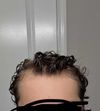
A 29-year-old male in Japan is seeking advice on transitioning Finasteride brands, sourcing Finasteride and Minoxidil without a prescription, and managing chronic scalp inflammation. He is considering adding Minoxidil to his routine and is concerned about diffuse thinning and persistent scalp issues despite following a dermatologist's prescribed treatment.
The user is considering simplifying their post-hair transplant regimen, which currently includes oral finasteride, topical minoxidil, and has topical finasteride and dutasteride available but unused. They seek advice on whether to maintain or adjust their treatment plan to achieve the minimum effective treatment.
The user has tried topical minoxidil and a Hims spray with finasteride and minoxidil, but experienced no hair regrowth. They are considering switching to oral minoxidil, oral finasteride, or both, after consulting dermatologists and receiving a low DHT blood test result.
The user has been using finasteride for over three years, which initially stopped balding and caused regrowth, but recently noticed hairline recession. They started using topical minoxidil two months ago and are considering switching to oral minoxidil and possibly dutasteride.
The user is concerned about high LH and estradiol levels after using finasteride but reports no side effects. They are seeking advice on whether these levels are concerning despite feeling fine.
The user has been on finasteride for 18 months and experienced significant hair shedding after increasing minoxidil dosage, which has not stopped despite reducing the dosage. They are concerned about the effectiveness of finasteride and whether minoxidil triggered ongoing hair loss, compounded by personal stress and trauma.
The user experienced a panic attack after adding 5% topical minoxidil to their routine, which already included oral finasteride and minoxidil, and microneedling. They are seeking advice on whether microneedling increased absorption and if the anxiety attacks will subside.
The user has been using 5% minoxidil with derma stamping and recently switched to foam, noticing more shedding. They are considering finasteride as the next step due to a family history of hair loss.
The user used Kirkland brand minoxidil foam twice daily for a year and noticed initial progress, but feels they might be losing progress or experiencing shedding. They are considering starting finasteride but prefer to avoid it and are seeking hair styling advice.
The user reports improvement in temple hair after three weeks of using finasteride, minoxidil, ketoconazole, microneedling, stemoxydine, and follicopeptide. They note visible progress by maintaining the same hair length for comparison.
A 40-year-old male has been using 5% minoxidil foam, 1mg finasteride, and a derma roller weekly for 2.5 months to treat hair loss. He is seeking feedback on whether the treatment is showing progress or if it's too early to tell.
Finasteride is a controversial hair loss treatment, with some users experiencing positive results and others facing side effects like erectile dysfunction. The discussion emphasizes the importance of personal choice and informed decision-making.
The user experienced significant hair regrowth using finasteride and topical minoxidil but faced a setback with a second hair shedding. They switched to oral minoxidil and reported about 80% recovery of their previous gains after six months.
A 32-year-old man started oral minoxidil at 0.625mg daily, alongside topical minoxidil, to address hair thinning after experiencing side effects from other treatments. He plans to monitor his health closely and adjust the dosage after two months.
Using a routine of 5% minoxidil, microneedling, and tretinoin for hair loss. The user seeks advice on the ideal weekly schedule for applying these treatments.
A 20-year-old male is experiencing worsening diffuse thinning despite using topical minoxidil, topical finasteride with minoxidil, oral finasteride, stemoxydine, and pyrilutimide. He is seeking support and advice as he struggles with the mental and physical challenges of hair loss treatments.
A 28-year-old male started using oral finasteride and minoxidil on July 14th and noticed slight hair regrowth and thickness after 2.5 months, despite ongoing shedding. Another user advised that shedding is normal and encouraged continued use for up to a year for full results.
A 32-year-old male experienced reduced libido and erectile difficulties after taking Minoxidil and Dutasteride for hair loss. He stopped the treatment and plans to consult his doctor, seeking similar experiences from others.
An international student in Germany needs a prescription for finasteride and minoxidil to continue treating androgenic alopecia. They seek guidance on finding a doctor and using their student health insurance for the prescription.
A 17-year-old male is concerned about hair loss and is considering treatments like Minoxidil, finasteride, and RU58841. The discussion includes sharing images of the hair condition for advice.
OP has been using 5% minoxidil twice daily for a year, resulting in some baby hair growth, but many have not matured. They are questioning if they are overusing minoxidil.
The user is concerned about hair loss despite using finasteride and dutasteride, with no regrowth but stabilized loss. After a recent hair transplant, they are experiencing shedding and are unsure if it's due to shock loss or ineffective treatment.
The conversation is about the systemic absorption of Minoxidil and the potential switch from topical to oral Minoxidil due to its effectiveness. The user considers oral Minoxidil after experiencing no side effects from a year of using 15% topical Minoxidil.



![[29M] Living in Japan. Need advice on transitioning Finasteride brands, sourcing options, adding Minoxidil, and managing chronic scalp inflammation/burning](/images/research/2c03d2a6-45e7-43a7-ae42-66134be78c7f/small/20575.jpg)