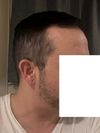
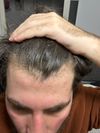
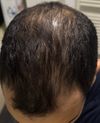
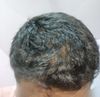
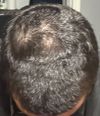
The user is concerned about having a straight, low hairline after a hair transplant and is unable to take finasteride due to high estrogen and prolactin levels. They have used minoxidil with limited success and are considering further transplants to lower the hairline, while others suggest the risks of using up donor hair too quickly.
People discussed hair loss treatments, including finasteride, minoxidil, and microneedling, with varying results and concerns about genetics and hormone levels. Some users shared personal experiences with medication dosages and side effects, while others mentioned the impact of stress on hair loss.
The user is using a self-made topical mix of finasteride and minoxidil foam for hair loss, experiencing solid regrowth in the frontal area and mild improvement at the crown, but still shedding. They previously used oral finasteride and dutasteride but stopped due to side effects, and are seeking advice on when shedding might stabilize with the topical treatment.
A 19-year-old male is experiencing hair loss and has been prescribed 5% minoxidil and ketoconazole shampoo but is unsure about starting finasteride. He plans to begin using minoxidil soon and is seeking advice on whether to add finasteride to his treatment.
The user started oral minoxidil in February 2025 and noticed hair improvement, but paused due to pregnancy. They experienced minimal shedding and some facial hair growth as a side effect.
A 22-year-old has been using finasteride and minoxidil for 5 years to combat aggressive male pattern baldness, but is considering switching to dutasteride due to worsening hair loss. Dutasteride is suggested as it may be more effective in reducing DHT levels for aggressive cases.
Finasteride and Nizoral shampoo with Ketoconazole are used for hair loss treatment. Liquid Chromatography–Mass Spectrometry (LC-MS) is recommended over Enzyme-Linked Immunosorbent Assay (ELISA) for more accurate DHT testing.
The user is considering starting dutasteride (DUT) 0.5mg for hair loss due to lack of access to finasteride and is concerned about potential side effects. They seek guidance on whether to begin this treatment.
A user shared their one-year progress using finasteride for hair regrowth, noting significant improvement and additional benefits from two months of minoxidil use. They reported no side effects from finasteride and attributed most regrowth to it, with minoxidil darkening their hair.
Finasteride is effective in promoting hair growth and reversing hair miniaturization in men with androgenetic alopecia, with improvements seen in various studies over different durations. Some users report initial side effects like ball ache, which often resolve as the body adjusts.
The user began experiencing hair loss at 14 and is now starting treatment at 18 with a topical solution of 10% minoxidil-finasteride and ketoconazole shampoo. Oral finasteride was not recommended due to potential effects on growth, and microneedling will be considered after four months.
A person is considering starting hair loss treatments before their wedding in a year, with options including laser treatment with Saw Palmetto shampoo and conditioner, or Minoxidil and Finasteride. They are concerned about potential shedding from Minoxidil and Finasteride and seek advice on when to start treatment to avoid shedding on their wedding day.
The user is considering switching from oral to topical minoxidil due to lack of improvement and side effects, while continuing with dutasteride or finasteride. They seek advice from others with diffuse thinning.
An 18-year-old male experiencing hair thinning for three years seeks advice on treatments like Minoxidil, finasteride, and RU58841. He is frustrated with the situation and wants to take action without resorting to shaving his head.
A 24-year-old experienced reduced hair loss with finasteride and minoxidil initially, but hair loss increased again after a few months. They switched to dutasteride and minoxidil, saw temporary improvement, but faced increased shedding again, seeking advice on next steps.
Kintor's phase III trial for pyri (KX-826) showed promising safety and efficacy results, with no drug-related sexual dysfunction reported. Users discussed their experiences with pyri, Minoxidil, Dutasteride, and concerns about the validity of the study results.
A 26-year-old is experiencing unexpected hair shedding on the scalp, eyebrows, eyelashes, and body, along with greasy skin, and has decided to see a doctor. They are seeking advice and support.
The user started using topical and oral minoxidil in December 2024, added keto shampoo in February 2025, and began using a topical mix of dutasteride and minoxidil. The keto shampoo helped with scalp itchiness, but the hairline looks the same, and existing hairs appear frail and thin.
A 28-year-old male with a family history of baldness is deciding whether to start finasteride now or wait for visible hair changes. He is considering starting finasteride immediately to proactively address potential hair loss.
The user has been using finasteride for 10 months and minoxidil for 5 months to treat hair loss. They are seeking feedback on their progress and wondering if a hair transplant is necessary.
Dutasteride effectively reduces DHT levels and significantly increases testosterone levels. Users are cautious about adding oral minoxidil due to potential heart issues and are considering dosage adjustments with medical guidance.
The user improved diffuse thinning without finasteride by using minoxidil foam, cold showers, gentle hair drying, 2% ketoconazole, sulfate-free tea tree oil shampoo, dermastamping, and supplements like Omega-3, Vitamin-D, Biotin, Keratin, Collagen, B3, Zinc, and Magnesium. The regimen was followed for about six months under dermatologist guidance.
The conversation discusses concerns about getting a buzz cut years after a FUE hair transplant due to an unnatural look and thinning hair. Suggestions include trying a buzz cut and considering scalp micropigmentation (SMP) as an option.
Dutasteride has been used for 20 years with some hair thickness improvement but no dramatic regrowth. The user also experimented with minoxidil, tretinoin, and peptides like BPC 157 for potential benefits in hair density and quality.
A 27-year-old woman with androgenic alopecia is losing hair despite using oral minoxidil and spironolactone, and is considering dutasteride. She is exploring causes like stress and medication side effects, planning tests, and considering treatment changes.
The user is experiencing increased hair shedding and is considering switching from a topical solution containing minoxidil, finasteride, and tretinoin to oral minoxidil while continuing oral dutasteride. They are seeking advice on whether to make this switch or wait for the shedding to stabilize, and are concerned about potential side effects of oral minoxidil.
OP is using 5% minoxidil and a needler to regrow hair after chemotherapy-induced hair loss. Another user mentions using finasteride and topical minoxidil, noting some improvement in hair density.
Before getting a hair transplant, it's crucial to research and understand that ongoing treatments like finasteride, dutasteride, or minoxidil are necessary to maintain results. Concerns were raised about Turkish clinics, including overharvesting grafts, lack of regulations, and discouraging finasteride use.
A user reported losing 150-250 hairs daily after 9 months on dutasteride, despite previously stabilizing hair loss with finasteride and minoxidil. Blood tests showed high DHT levels, and the user is unsure if they should continue the current treatment.