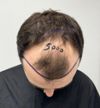
The conversation discusses biannual SCUBE3 injections and microneedling as treatments for hair loss. Specific treatments mentioned include Minoxidil, Finasteride, and RU58841.
Chime Biologics and Hope Medicine are speeding up the launch of a first-in-class antibody drug, HMI-115, for endometriosis and androgenic alopecia. The treatment involves a series of subcutaneous injections, has shown promising results in phase 1, and continues to promote hair regrowth even after the treatment is stopped.
The user seeks alternatives to Propylene Glycol (PG) for delivering topical finasteride due to scalp irritation. They consider using Propanediol 1,3 and ask for other suggestions.
A user experienced significant hair regrowth after 4 months using topical finasteride and minoxidil, along with dermastamping and biotin supplements, without side effects. They are not considering a hair transplant due to the success of this regimen.
The conversation is about the stability of pyrilutamide in different solutions. The user is asking if a 70/30 ethanol/pg solution with 4% water will degrade pyrilutamide.
GT-20029 is discussed as a potential hair loss treatment, with concerns about its safety and systemic absorption compared to finasteride. Users express skepticism about its effectiveness and safety, noting that it may not surpass existing treatments like finasteride and minoxidil.
A 47-year-old male started using Minoxidil, Finasteride, Nizoral, Dermapen, and vitamins after his hair transplant was postponed due to COVID-19. He reported positive progress in hair growth over eight weeks with this routine.
User shared a 4-month progress update on using minoxidil and 1.5 months on finasteride for hair loss. Reactions were mixed, with some expressing disbelief and others feeling inspired to start treatment.
A user's successful hair transplant, with some people questioning the donor area regrowth, and others speculating that hair fibre may have been used to help fill in areas.
The user stopped using finasteride due to side effects and is considering Fluridil (Eucapil) as an alternative for hair loss treatment. They are exploring other options like RU58841 and are interested in the experiences of others with Fluridil, noting its good safety profile despite the cost.
A user experienced significant hair regrowth using finasteride and minoxidil over four years, despite side effects like seborrheic dermatitis, urinary changes, and water retention. They were satisfied with the results and maintained a strong physique.
The conversation is about frustration over the delay in phase 2 results for a hair loss treatment called GT20029. One user suspects the treatment may have failed.
PP405 shows promise in hair regrowth, with 31% of participants experiencing over 20% increase in hair density after 8 weeks. Phase 3 trials are expected in 2026, with potential market availability by 2029-2031.
The conversation discusses Scube3, a seemingly new and obscure treatment for hair loss, with limited information available and a link to a patient intake form.
A breakthrough in hair follicle cultivation using induced pluripotent stem cells (iPSCs) has been achieved, producing large hair follicles suitable for transplantation. Clinical trials for this hair multiplication technology are planned in partnership with Yinguan Biotechnology.
A 20-year-old has seen positive results for hair loss after 4 months using 1 mg finasteride daily, minoxidil twice daily, and weekly dermastamping with a 1.5 mm needle. They also used ketoconazole shampoo initially and recommend starting treatment early.
The conversation is about the release timeline for clinical trial results and the availability of Breezula, a hair loss treatment. The user is not comfortable buying it as a research drug from China.
GT20026 is discussed as a potential treatment for hair loss that targets androgen receptors without affecting hormone levels, but it may not promote significant regrowth. It is expected to be available by 2028, with other treatments like Breezula and Clascoterone also mentioned.
PP405 shows initial promise for treating androgenetic alopecia, with safety confirmed in early trials, but skepticism remains due to limited data. Further trials are needed to determine its true efficacy and potential market impact.
The conversation is about the effectiveness and production of GT20029, a drug being developed as a topical androgen receptor degrader for hair loss, and whether it can fully degrade androgen receptors or only partially. It also discusses the drug's potential unique working mechanism and synthesis by a company called Anagen.
Breezula is being sold at Anagen Inc and Universal Labs, and users are discussing their experiences and results with it. There is also interest in the formulation process and inquiries about PP405.
A 25-year-old male experienced hair regrowth after 4.5 months using a chewable treatment with 1mg finasteride, 6% minoxidil, and 2.5mg biotin, despite initial shedding and acne from accutane. Opinions on progress vary, with some noticing thicker hair and others seeing no difference or thinning.
A user shared their 2-year progress using finasteride every other day with no side effects. Others discussed their experiences, shedding cycles, and patience with the treatment.
PP405 is considered as a potential hair regrowth treatment, but users are skeptical due to past product failures. They compare it to Minoxidil and Finasteride, questioning its effectiveness and the intentions of pharmaceutical companies.
The conversation discusses the effectiveness of different doses of finasteride for hair loss, questioning the need for 1mg daily when 0.5mg every other day has a similar impact on scalp DHT. A humorous reply suggests exaggerated side effects.
A man shared his 4-month progress using finasteride, minoxidil, and microneedling for hair loss treatment. He experienced positive results without side effects, and plans to continue the regimen.
User shared 3-month progress using big 4 hair loss treatments: finasteride, ketoconazole shampoo, minoxidil, and microneedling. Others congratulated progress and discussed vitamin D and biotin's role in hair regrowth.
User shares 4-month hairline progress using minoxidil, finasteride, nizoral, and dermarolling. Others discuss treatment details and express admiration for the results.
A user shared their 4-month hair regrowth progress using oral finasteride and topical minoxidil, reporting no side effects and positive feedback on their appearance. The post sparked debate, with many users doubting the authenticity of the photos, while others congratulated the user on their impressive results.