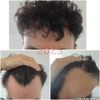
A user shared their 9-month hair loss treatment progress using oral finasteride, oral minoxidil, a topical solution with minoxidil and finasteride, microneedling, and ketoconazole shampoo. They are happy with the results and considering whether a hair transplant will be necessary.
A user shared an 8-month hair loss treatment progress using daily saw palmetto and biotin capsules, weekly dermarolling, and a scalp lotion mix of castor, jojoba, and rosemary oils, avoiding finasteride and minoxidil due to side effects and cost. The user reported encouraging progress with slight hairline improvement and better crown area, attributing most success to dermarolling.
Natural remedies like rosemary oil, coconut oil, and onion juice are generally seen as less effective compared to medical treatments like finasteride, minoxidil, and microneedling. Some users believe natural oils can help, but modern medicine is often more reliable.
, you can find it online with a script
This user was discussing their progress with hair loss treatments including 5mg oral Minoxidil and combining 3mg oral Minoxidil with MTF HRT. They also discussed side effects of increased body hair in other parts of the body.
The user experienced severe side effects from finasteride, including depression and anxiety, but recovered with DHT injections, sleep medication, and Ayurvedic treatments. They now maintain hair health with minoxidil, PRP therapy, and a good diet, advising against self-diagnosis and recommending consulting a doctor.
Topical Clascoterone showed a 539% improvement in hair count compared to placebo, but its effectiveness and safety are debated. Users compared it to minoxidil and finasteride, with mixed opinions on its potential release in 2026 or 2027.
A 23-year-old started using 0.5mg Dutasteride and 2.5mg Minoxidil daily for hair loss and is considering adding RU58841 or GHK-cu. Users suggest waiting a few months before adding anything and mention Koshine's kx-826 as a potentially better alternative to RU58841.
A 28-year-old male with a family history of baldness is deciding whether to start finasteride now or wait for visible hair changes. He is considering starting finasteride immediately to proactively address potential hair loss.
The user experienced significant hair shedding after starting finasteride and minoxidil but saw improvement over time. They switched to dutasteride and added oral minoxidil, hoping for better results despite expecting more shedding.
Many users criticize advice on forums that suggest shaving heads instead of trying treatments like finasteride for hair loss. They argue that maintaining hair is important for self-esteem and dating success, and that baldness often requires compensating with other attributes.
The user shared progress pictures after 80 days on oral minoxidil, noting improvement despite some shedding and no side effects. The discussion included comparisons between oral and topical minoxidil, with some users preferring oral for convenience and effectiveness.
Counterfeit minoxidil can be identified by inconsistencies in bottle fill levels, label details, and smell compared to genuine products. Genuine minoxidil has a specific alcohol-based smell and consistency, while counterfeit versions may smell musky and feel greasy.
The user has been taking finasteride and biotin for 80 days and is considering starting minoxidil after six months. Opinions vary, with some suggesting starting minoxidil immediately for better results, while others advise patience with finasteride.
The user is seeking advice on preserving hair follicles at Norwood stage 6 or 7 while waiting for new treatments. They are considering using treatments like Minoxidil, finasteride, or RU58841.
A new hair loss treatment claims a 539% improvement over placebo, but skepticism remains due to lack of substantial evidence and reliance on percentage figures. Users discuss the effectiveness of existing treatments like Minoxidil and Finasteride, expressing doubt about the new solution's impact.
A user experienced hairline improvement after four weeks on 1.5mg dutasteride but had side effects like reduced libido and sensitive nipples. They plan to switch to finasteride to manage these side effects.
A 20-year-old is experiencing hair thinning and seeks advice on starting treatment and regrowing hair. They are considering using Minoxidil, finasteride, or RU58841.
A 24-year-old is struggling with hair loss despite using treatments like dutasteride, oral minoxidil, RU58841, and considering a hair transplant. They are advised to continue medication, possibly increase dosages, and explore additional treatments like tretinoin and tacrolimus.
The user is experiencing noticeable hair thickening after 4 months of using a topical spray combining minoxidil and finasteride, with no side effects reported. They are considering adding derma rolling to their routine and may switch to oral tablets in the future.
Hair loss greatly affects mental health and social life for young men. Treatments like finasteride, minoxidil, and hair transplants are common, with mixed success and ongoing self-esteem challenges.
High-dose oral minoxidil (>5 mg/day) can increase hair density in some men with androgenetic alopecia, but side effects like extra body hair and heart issues are common. Gradual dose increase is advised, but adverse effects may lead to discontinuation or dose adjustments.
The user experienced significant hair regrowth using topical dutasteride, finasteride, and minoxidil, despite inconsistent application. The combination appears effective, possibly due to reduced scalp DHT levels, allowing minoxidil to work better.
Ketoconazole shampoo may help with early-stage hair loss by stopping hair regression and promoting new hair growth, though its effectiveness as a DHT blocker is debated. Users report varying results, with some experiencing dryness and others seeing improvement when used 2-3 times a week.
Minoxidil is more effective when combined with retinoic acid, such as tretinoin or tazarotene, enhancing hair growth. Some users experience significant regrowth, while others see minimal effects or side effects.
Finasteride and dutasteride have potential risks, including post-finasteride syndrome, but are commonly used for hair loss. RU58841, minoxidil, and needling are suggested as alternatives, though all treatments carry risks.
PP405 significantly improves hair density, outperforming finasteride, with 31% of users seeing over 20% improvement in four weeks. Concerns exist about its availability, cost, and long-term effects.
Begin with finasteride to evaluate its effectiveness before adding minoxidil. Combining treatments may enhance results but could also increase side effects; individual responses differ.
The user is considering starting finasteride for hair loss prevention, expressing concerns about potential side effects like reduced libido and erectile dysfunction. They are currently taking saw palmetto, vitamin D, zinc, vitamin C, and biotin but are unsure if these will be effective.
Hair follicles usually go dormant rather than die, and treatments like finasteride, minoxidil, and hormone therapy can sometimes reactivate them, though results vary. Complete regrowth is rare, especially in long-term bald areas, but some individuals see significant improvement with these treatments.