The user successfully overcame finasteride side effects by lowering the dosage and adding zinc and vitamin B6 supplements. They also micro-dosed dutasteride and resumed weight lifting.
A user is trying a DIY method of mixing crushed finasteride tablets with minoxidil for hair loss treatment, seeking feedback on its effectiveness. Some users express skepticism about the absorption of finasteride through the skin, while others mention anecdotal success.
PP405, developed by Pelage Pharmaceuticals, can reactivate dormant hair follicle stem cells and increase hair growth by 20% in eight weeks, unlike minoxidil or finasteride. However, skepticism remains about its effectiveness and availability, with concerns about funding and the timeline for broader access.
RU58841 helped regrow hairline without side effects for a bodybuilder using PEDs. The treatment included RU58841, finasteride, minoxidil, GKH-Cu, microneedling, and HGH.
A 42-year-old man achieved significant hair regrowth in seven months using oral minoxidil, oral dutasteride, topical minoxidil, microneedling, and supplements. He experienced minimal side effects and noted dramatic improvements in hair thickness and health.
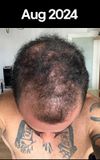
The user experienced hair shedding after using finasteride and topical minoxidil since August 2024, and briefly adding oral minoxidil in early 2025. They suspect the shedding might be due to the oral minoxidil, a bad batch of finasteride, or a normal shedding cycle, and are also experiencing an itchy scalp and acne.
A user reported using a 1mm derma stamp, rosemary oil, and pumpkin seed oil for 2 months and noticed baby hair growth where there was none before. They are questioning if this is real growth or just miniaturized hair.
The user experienced significant hair regrowth and improved hair density after four months using finasteride, minoxidil, and microneedling, avoiding the need for a hair transplant. They plan to continue their current routine due to positive results and are not considering switching to dutasteride.
PP405 is progressing rapidly through trials, with mixed opinions on its potential effectiveness. Current treatments like minoxidil and finasteride are still widely discussed, with some users reporting positive results from new formulations.
A new light therapy claims to reduce hair loss markers by 92% using a specific wavelength range. Users discuss the cost and effectiveness of devices, with some expressing skepticism and others considering alternative treatments like red light therapy and vitamin D exposure.
Minoxidil and finasteride aid hair regrowth, but a healthy lifestyle, including proper nutrition and maintaining a healthy weight, enhances their effectiveness. Being underweight can impede hair regrowth, while a balanced diet and addressing deficiencies can improve outcomes.
PP405 is seen as a potential breakthrough for converting vellus hairs to terminal hairs, with users expressing both hope and skepticism. It is compared to treatments like minoxidil and finasteride, with discussions on side effects and marketing concerns.
GT20026 is discussed as a potential treatment for hair loss that targets androgen receptors without affecting hormone levels, but it may not promote significant regrowth. It is expected to be available by 2028, with other treatments like Breezula and Clascoterone also mentioned.
Low estrogen levels may reduce the risk of side effects from finasteride, such as gynecomastia. Some users plan to start with microneedling and minoxidil before trying finasteride, while others have experienced temporary side effects from topical finasteride but continued use without persistent issues.
The user has been using finasteride and topical minoxidil for hair loss since April 2024 but feels their condition has worsened. They are considering switching to oral minoxidil or dutasteride for better results.
The user has been experiencing increased hair loss despite using Dutasteride, Minoxidil, and microneedling, and is considering switching back to Finasteride. They are exploring other options like hair transplants, oral Minoxidil, and red light therapy but are concerned about side effects and effectiveness.
Breezula is seen as potentially overhyped, with concerns about its cost, effectiveness, and long-term benefits compared to existing treatments like finasteride and minoxidil. Some users believe it could complement existing treatments, while others are skeptical about its impact and prefer waiting for newer options like GT20029 and PP405.
A 21-year-old experienced significant hair regrowth using oral finasteride for 7 months, initially with minoxidil but later stopped due to inconvenience. He had no major side effects, except a temporary increase in sex drive, and plans to continue finasteride.
A 24-year-old is experiencing aggressive hair loss despite using minoxidil and finasteride for years and is considering a hair transplant. Many suggest trying dutasteride, but there are concerns about side effects.
A serum with oleic and palmitoleic acids shows promise for hair regrowth in mice, but its effectiveness in humans is unproven. Minoxidil and finasteride remain the recommended treatments.
Oleic acid and ethanol are being considered for hair regrowth, with some users planning to self-experiment. There is skepticism about their effectiveness, and ongoing use of treatments like finasteride and minoxidil is mentioned.
A 20-year-old male has been using oral minoxidil for hair thinning but is considering adding finasteride due to recent thinning and DHT effects. He plans to consult a dermatologist for finasteride to maintain or regrow hair.
The user is experiencing increased hair thinning and shedding despite using oral dutasteride, oral minoxidil, topical dutasteride, and ketoconazole shampoo. Many recommend considering a hair transplant or embracing baldness, as current treatments seem ineffective.
PP405 may reactivate dormant hair follicles but won't replace hair transplants or resurrect dead follicles. Its effectiveness, cost, and impact compared to treatments like minoxidil and finasteride are uncertain.
The user experienced significant hair regrowth using finasteride, minoxidil, and microneedling, with plans to continue treatment. They are pleased with the results, noting increased hair density and a restored hairline.
The user is considering whether to delay meeting their long-distance girlfriend to undergo a hair transplant or meet her with their current hair loss, having used Dutasteride, Pyrilutamide, and Minoxidil. Most responses advise being honest about the hair loss, suggesting confidence and authenticity are more important than appearance.
The user has been using finasteride and dutasteride for hair loss but is experiencing low energy and motivation, possibly due to high prolactin levels. Despite treatment, hairline recession continues, and the user is considering the impact of low DHT levels on overall health and energy.
Topical finasteride can be as effective as oral finasteride for hair regrowth with fewer systemic side effects, but precise dosing is essential. Combining oral dutasteride with topical finasteride is not recommended due to dutasteride's stronger inhibition.
A 19-year-old is experiencing rapidly progressing male pattern baldness and is unsure whether to start Minoxidil now or wait until they can access Finasteride. They currently use Ketoconazole shampoo and are concerned about the long-term commitment and potential shedding associated with Minoxidil.
Dutasteride is more effective than finasteride for hair loss, with some users experiencing fewer side effects. Users share experiences with dutasteride, finasteride, minoxidil, and biotin, discussing dosage and fertility concerns.