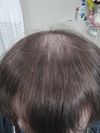
Hair loss discussion includes treatments like Minoxidil, Finasteride, and RU58841. User shares 3.5-month Dutasteride experience, slightly below baseline, with thicker hairs but less density.
A user discusses their experience with dissolving high concentrations of minoxidil in various ethanol/PG ratios and mentions difficulties with combining it with RU58841. They note that a 5% minoxidil solution remains stable, while higher concentrations tend to precipitate.
User DeadRay9 reports good progress on finasteride and ketoconazole, with irregular microneedling. They take 1.25mg finasteride, experienced increased libido, and saw improvements at 3-5 months.
Switching from finasteride to dutasteride as a treatment for hair loss, with advice given that titrating up to daily use is optimal and results may be seen after one year. Additionally, the user mentioned adding topical minoxidil 5% which has produced good results.
Finasteride is not a miracle drug; results vary widely, with only 2/5 getting good results. Combining treatments like minoxidil and finasteride may help, but expectations should remain low.
A 29-year-old woman is experiencing gradual hair thinning since age 15, suspects Androgenic Alopecia, and has tried 5% minoxidil with little success. She has purchased various hair loss treatments including minoxidil, dutasteride, finasteride, and spironolactone, but is cautious about starting them due to potential interactions with her ADHD medication.
Jericho1017 shared their hair regrowth results after nearly 3 years using 1mg finasteride and 10,000mcg biotin daily, with noticeable improvement after 1.5 years and no significant side effects except for watery semen. Some users suggested adding minoxidil and microneedling to improve results, but Jericho1017 is currently content with their progress and not looking to add more treatments.
A 24-year-old male is experiencing hair thinning and feels hopeless, considering treatments like finasteride and minoxidil but is concerned they might not work. He is also contemplating a dermatologist visit and is unable to afford a hair transplant.
User shared progress pictures after 3 months of using topical finasteride, topical minoxidil, dermastamp, and Nizoral. They applied finasteride and minoxidil daily, used dermastamp weekly, and Nizoral every other day.
Using topical finasteride alongside oral finasteride likely won't provide significant benefits and may increase the risk of side effects. The "4-in-1" spray offers a higher minoxidil concentration but may not be worth switching if oral finasteride is well-tolerated.
Topical finasteride can effectively reduce scalp DHT by targeting local enzymes, despite less systemic impact compared to oral forms. Combining oral dutasteride with topical finasteride and minoxidil may enhance hair loss prevention, though evidence of its effectiveness is limited.
A user's positive experience with finasteride for hair loss treatment, and another user's experience with minoxidil. They discuss the potential side effects of finasteride and the success they have had in regrowing baby hairs after several months of use.
A user is considering using RU58841 for female pattern baldness and is also planning to use Minoxidil. They are hesitant to ask their doctor for spironolactone due to its cosmetic nature and are experiencing significant hair loss possibly due to stress and hormonal issues.
Clascoterone is considered overhyped and not as effective as finasteride or dutasteride, but it may be useful as a supportive treatment in combination with other therapies. Users express skepticism about its effectiveness compared to clinical trials, with some suggesting it could be beneficial for those who cannot tolerate other treatments.
A 32-year-old man with advanced hair loss is using topical finasteride, minoxidil, and dutasteride but sees no results after three months. Suggestions include adding a dermastamp and waiting 12 months, with the possibility of considering a hair transplant.
A 20-year-old experiencing hair loss was diagnosed with androgenetic alopecia and prescribed finasteride, minoxidil, and multivitamin/zinc pills. They are considering starting finasteride and minoxidil daily to maintain their hair and stop further loss.
A user is deciding between starting oral finasteride with topical minoxidil or using topical finasteride and minoxidil due to concerns about side effects. They plan to use derma rolling weekly to enhance treatment effectiveness.
A 23-year-old started taking 0.25 mg of Finasteride daily for hair loss after trying Minoxidil and derma rolling without success. People shared varied experiences with Finasteride, discussing potential side effects, effectiveness, and personal decisions regarding hair loss treatment.
Using topical fin and minoxidil (as well as potentially microneedling) for hair loss over a two year period, with the user reporting great progress. Additional questions were asked about dosage amounts, haircuts and side effects of these treatments.
A user discusses using dermastamping for hair loss and questions the timing of applying a mixture of peppermint oil, spearmint oil, rosemary oil, and castor oil due to their anti-inflammatory effects. They wonder if waiting 10 hours after stamping would be more effective.
A 19-year-old male experiencing hair loss is seeking advice on managing it without sexual side effects. He has used topical minoxidil and finasteride but experienced side effects, and is considering lifestyle changes to help slow hair loss.
After switching from finasteride to dutasteride, the user experienced a 25% increase in total testosterone and a 150% increase in free testosterone, with side effects like brain fog and nipple tingling. The user plans to consult a lab for accuracy and adjust the dutasteride dosage to manage side effects.
The user experienced severe side effects from finasteride and switched to using minoxidil and a derma stamp, seeing positive hair regrowth after initial shedding. They are considering topical finasteride to avoid side effects while maintaining hair health.
The conversation discusses using aromatase inhibitors with dutasteride or finasteride for hair loss, which can prevent testosterone from turning into estrogen but may lead to increased DHT and potentially make finasteride less effective. There's concern about proper dosing and side effects like gynecomastia and emotional changes.
The emotional difficulty of hair loss for men and how society can be more understanding; various methods to address hair loss, such as finasteride, minoxidil, and RU58841; and why it is important to normalize caring about one's looks.
A user who started using minoxidil and finasteride topically, micro needling weekly, Nizoral twice per week, and switched to sulfate free shampoo and conditioner. The user reported that after 1 month and 1 week of this routine they noticed their hair was thicker and healthier, with less shedding and no more dandruff or itching during workouts.
The user treated androgenic alopecia with topical minoxidil, finasteride, vitamin D, and biotin, while also using ketoconazole shampoo for dandruff. They focus on weight training and take daily vitamin D tablets.
A user discusses a dermatologist-prescribed topical solution for hair loss containing 7% Minoxidil, 0.0125% Tretinoin, and 0.1% Dutasteride, questioning its safety. Responses suggest the concentration is generally safe, though there is skepticism about daily use at high concentrations, and similar products like HairStim and Happy Head are mentioned.