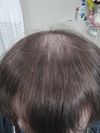
Evaluating the effectiveness of taking oral minoxidil as a hair loss treatment, in comparison to finasteride and topical minoxidil; discussing potential side effects of using oral minoxidil.
, you can find it online with a script
This user was discussing their progress with hair loss treatments including 5mg oral Minoxidil and combining 3mg oral Minoxidil with MTF HRT. They also discussed side effects of increased body hair in other parts of the body.
A 27-year-old male shared his positive experience using finasteride and minoxidil for hair regrowth over a year, noting initial shedding but no significant side effects. He emphasized the effectiveness of combining these treatments and advised others to consult doctors and be patient with the process.
A 22-year-old has seen hair density improvement after using oral minoxidil 2.5mg daily for 7 months and also uses rosemary mint oil weekly. Others suggest finasteride for long-term results, question minoxidil's effectiveness without finasteride, and mention alternatives like microneedling.
A user did not respond to finasteride, dutasteride, and oral minoxidil for hair loss after four years of treatment and is considering scalp micropigmentation (SMP). Other users suggest the hair loss pattern may indicate alopecia areata and recommend seeing a dermatologist.
The user has seen marginal improvement in hair loss after increasing finasteride from 1 mg three times a week to daily and using minoxidil inconsistently. They plan to start microneedling and are considering using it on both their scalp and face.
Various hair growth treatments were discussed, including microneedling, bimatoprost, setipiprant, stemoxydine, PGE2, CB-03-01, WNT Beta-Catenin upregulators, KY19382, topical estrogen, IGF-1, GH, MK-677, oral castor oil, fisetin, resveratrol, cetrizine, and lactic acid. Users shared experiences and sources for these treatments, with some expressing interest in topical solutions and others noting the lack of FDA approval or scientific evidence for certain options.
Using topical fin and minoxidil (as well as potentially microneedling) for hair loss over a two year period, with the user reporting great progress. Additional questions were asked about dosage amounts, haircuts and side effects of these treatments.
A 24-year-old male is experiencing hair thinning and feels hopeless, considering treatments like finasteride and minoxidil but is concerned they might not work. He is also contemplating a dermatologist visit and is unable to afford a hair transplant.
A user seeks advice on treatments for his mother's hair loss, considering Minoxidil, Finasteride, and shampoos. The mother is being monitored for breast cancer, which may be relevant.
A user who started using minoxidil and finasteride topically, micro needling weekly, Nizoral twice per week, and switched to sulfate free shampoo and conditioner. The user reported that after 1 month and 1 week of this routine they noticed their hair was thicker and healthier, with less shedding and no more dandruff or itching during workouts.
A user is deciding between starting oral finasteride with topical minoxidil or using topical finasteride and minoxidil due to concerns about side effects. They plan to use derma rolling weekly to enhance treatment effectiveness.
A 23-year-old male experienced significant hair improvement over 9 months using dutasteride, minoxidil, finasteride, PRP, and red light therapy, with no side effects. He plans to continue treatment for 6 more months before deciding on a hair transplant.
Tretinoin may enhance minoxidil's effectiveness for those not responding to minoxidil alone, but it could reduce efficacy for some who are already responding to minoxidil. Tretinoin requires careful use, including skin moisturizing and sun protection due to increased sensitivity.
User shared 1-year progress using finasteride and minoxidil for hair loss, with positive results. Another user discussed their own experience, considering switching from topical to oral minoxidil.
Minoxidil and finasteride aid hair regrowth, but a healthy lifestyle, including proper nutrition and maintaining a healthy weight, enhances their effectiveness. Being underweight can impede hair regrowth, while a balanced diet and addressing deficiencies can improve outcomes.
Topical finasteride can effectively reduce scalp DHT by targeting local enzymes, despite less systemic impact compared to oral forms. Combining oral dutasteride with topical finasteride and minoxidil may enhance hair loss prevention, though evidence of its effectiveness is limited.
An 18-year-old using Minoxidil 2% for hair loss is considering adding dermarolling to their routine. Replies suggest adding finasteride, using a dermastamp, and microneedling, with positive experiences shared.
A user is considering using RU58841 for female pattern baldness and is also planning to use Minoxidil. They are hesitant to ask their doctor for spironolactone due to its cosmetic nature and are experiencing significant hair loss possibly due to stress and hormonal issues.
Broccoli or sulforaphane supplements are unlikely to improve Minoxidil results due to the need for an unrealistically large dose. Tretinoin, micro-needling, and low-dose oral Minoxidil may be more effective for those lacking the necessary enzyme in the scalp.
Stopping treatments like Minoxidil, Finasteride, or Dutasteride leads to hair loss reversal. Personal reasons, such as planning for a baby, can influence the decision to stop these treatments despite the known consequences.
A user's positive experience with finasteride for hair loss treatment, and another user's experience with minoxidil. They discuss the potential side effects of finasteride and the success they have had in regrowing baby hairs after several months of use.
A 20-year-old experiencing hair loss was diagnosed with androgenetic alopecia and prescribed finasteride, minoxidil, and multivitamin/zinc pills. They are considering starting finasteride and minoxidil daily to maintain their hair and stop further loss.
A 32-year-old man with advanced hair loss is using topical finasteride, minoxidil, and dutasteride but sees no results after three months. Suggestions include adding a dermastamp and waiting 12 months, with the possibility of considering a hair transplant.
The user has been using finasteride and topical minoxidil for hair loss since April 2024 but feels their condition has worsened. They are considering switching to oral minoxidil or dutasteride for better results.
A 24-year-old is struggling with hair loss despite using treatments like dutasteride, oral minoxidil, RU58841, and considering a hair transplant. They are advised to continue medication, possibly increase dosages, and explore additional treatments like tretinoin and tacrolimus.
A 20-year-old male has been using oral minoxidil for hair thinning but is considering adding finasteride due to recent thinning and DHT effects. He plans to consult a dermatologist for finasteride to maintain or regrow hair.
The user is updating on their 3-month progress using minoxidil (0.5mg twice daily) and microneedling once a week. They plan to consult a doctor about adding finasteride to their regimen.
A 26-year-old male experienced significant hair regrowth using a 4-in-1 topical treatment from Hims, which includes minoxidil, finasteride, ketoconazole, and biotin, over four months. The user reported increased body and beard hair, skin changes, and no negative sexual side effects, while others noted the rapid and impressive results as atypical.
Vitamin D supplementation can aid hair regrowth for some, but results differ. Combining vitamin D with finasteride and minoxidil often improves hair thickness, though not for everyone.