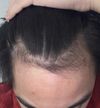
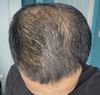
The conversation is about using topical tazarotene with minoxidil for hair loss treatment. A user suggests using a lower strength than 0.025% for daily application.
The conversation is about the best concentration of Tretinoin to use with Minoxidil for hair growth, with suggestions ranging from 0.025% to 0.05%. Users discuss personal experiences and plans to adjust Tretinoin concentration for better results.
The user has been using 0.5 mg oral finasteride and recently switched to 2.5 mg oral minoxidil from topical application. They are observing potential early regrowth with longer baby hairs.
The conversation discusses a user's progress with hair regrowth after using Hims minoxidil and finasteride chews for 2.5 months, with some users expressing skepticism about the rapid results. The user also takes biotin, vitamin B5, vitamin B6, and vitamin C in a daily pill.
The conversation discusses a hair loss treatment regimen involving finasteride topical, minoxidil oral and topical, pumpkin seed oil, turmeric drink, weekly derma rolling, and regular head massages. Another user plans to start a similar regimen, including finasteride, minoxidil, keto shampoo, and GHK-Cu vials.
The user is experiencing hair regrowth after 4.5 months of using oral minoxidil, oral dutasteride, latanoprost, ketoconazole shampoo, and dermarolling. They report shedding initially but have seen improvement without significant side effects.
The user experienced increased sex drive and financial cost after 2.5 months on Dutasteride and 5% topical Minoxidil. They advise starting treatment early to prevent hair loss and mention that side effects are minimal, with Dutasteride having a longer-lasting presence in the system compared to Finasteride.
A 23-year-old male has been using oral dutasteride and minoxidil for 1.5 years for temple recession, adding topical minoxidil and tretinoin5-6 months ago, and recently adjusted thyroid medication and added iron supplements due to deficiencies. He noticed some baby hairs but no significant growth yet, and reports no shedding on dutasteride.
The user shared progress pictures after 2.5 years of using oral minoxidil (5mg daily) and finasteride (1mg daily) for hair loss, noting significant improvements over time. They experienced normal shedding and some beard growth, with no negative side effects reported.
A 17-year-old is experiencing rapid hair loss from NW1.5 to NW3 in six months and feels dermatologists are unhelpful. They are using Minoxidil (Rogaine) and seeking advice on application.
The user is using oral finasteride daily, topical minoxidil5-6 days a week, tretinoin before minoxidil 3 times a week, and dermastamping weekly for hair loss treatment. They are considering adding dutasteride to their regimen and have not experienced any side effects from finasteride.
The user is considering switching from pyrilutamide to 0.025% topical finasteride due to concerns about effectiveness and past side effects from a scalp elixir. They aim to maintain hair until new treatments like breezula or GT00029 become available.
A 29-year-old male has been using topical finasteride (0.1%) and minoxidil (5%) for 2.5 months and noticed thicker, darker hair. He is considering whether to switch treatments, as the current regimen seems effective.
The user discovered they had been using fake minoxidil for months, leading to hair thinning, and decided to switch to a trusted brand from Walmart. Another user suggested seeing a dermatologist for prescription minoxidil and recommended Kirkland brand minoxidil and finasteride for effective hair loss treatment.
The user had a hair transplant 5 years ago and is currently using 1 mg finasteride and topical minoxidil but is not seeing an increase in hair volume. They are considering another transplant to improve hair volume.
The user experienced significant hair regrowth in 4-5 months using finasteride (1 mg daily) and topical minoxidil twice a day, with initial mood side effects that normalized. The progress pictures show improved hairline, and the user noted the hair might have been slightly wet in the photos.
The user has been using finasteride for 2.5 years and topical minoxidil for 9 months with minimal regrowth and is considering trying dutasteride or other treatments like microneedling and Maxogen. They are hesitant about a hair transplant and are advised to consider additional treatments or supplements.
A 33-year-old male reports slight hair regrowth and improved thickness after 2.5 months using 1 mg oral finasteride, 2.5 mg oral minoxidil, and a serum with Redensyl, Anagain, Capixyl, and Procapil. Users note slight improvement, especially in the crown area, and suggest patience for more results.
The user has been using dutasteride for 2 years and minoxidil for 1 year, but their hairline is still receding. Some users think the hairline has maintained or gained density, while others notice minor recession.
The user has been on 1.2 mg finasteride for 1.5 years with minimal results and recently switched to dutasteride. Suggestions include adding minoxidil, derma rolling, and considering dietary changes to improve hair health.
The user experienced regrowth and stabilization in hair density using finasteride, minoxidil, a derma roller, and an LLLT helmet, but noticed a recent decline in hair quality. They only take finasteride orally and are unsure about the effectiveness of the LLLT device.
A 39-year-old from Bangalore shared his successful hair transplant journey, which included 3537 scalp and 1521 beard grafts, boosting his confidence. He also started medication alongside the transplant.
An 18-year-old male with a family history of baldness started using 5% minoxidil and 0.01% finasteride spray for hair loss. Suggestions included getting a blood test, considering oral dutasteride, and trying oral minoxidil.
A user is considering switching from regular 5% minoxidil foam to a compounded 5% minoxidil spray with added caffeine, melatonin, and tretinoin for easier application and potentially better results. Another user mentions that tretinoin can enhance minoxidil's effectiveness by converting it to its active form.