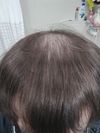
A user shared progress photos showing hair regrowth using 5% minoxidil foam, microneedling, and 2% ketoconazole. They also started taking multivitamins and are considering adding finasteride.
A user shared their hair loss treatment progress, using 5% Minoxidil twice daily, 0.5 mg Finasteride daily, and a 1.5 mm dermaroller weekly. They started with a 1 mm dermaroller in May 2022.
The user has been on finasteride and minoxidil since 2020 and increased dutasteride and minoxidil doses in June 2024, but still experiences hair loss. Despite trying pyrilutamide without success, opinions vary on whether the hair loss is significant, with some suggesting it might be due to lighting, angles, or a regular shedding cycle.
The user is experiencing reduced climax sensation and decreased volume while on Finasteride for hair loss. They are considering whether lifestyle changes or time might improve these side effects.
The user maintained hair with finasteride for 4.5 years and noticed some progress with dutasteride after 6 months, experiencing reduced chest and facial hair. They did not use minoxidil and reported no side effects from either treatment.
A user shared their experience of getting 1400 hair grafts 5 months post-op with Dr. Vikram Jayaprakash, mentioning they have been using finasteride for 2.5 years. The responses include compliments on the results and questions about the cost and current treatments.
A user improved their hair loss from NW3+ to NW1.5 over three years using a regimen of dutasteride, finasteride, Nizoral, biotin, and collagen. They experienced some side effects and adjusted dosages over time, and noted additional benefits like better skin and muscle gain.
The user is experiencing hair thinning despite using finasteride and minoxidil with added tretinoin, and is considering switching to dutasteride. Suggestions include trying dutasteride, oral minoxidil, microneedling, and possibly a hair transplant for better results.
A female user is using a 5% RU58841 solution with 5 sprays daily and is concerned about potential reactions and the impact of wearing a bonnet. A male user mentioned using 1ml of the same solution daily via dropper.
A user is considering switching from a 5% minoxidil spray to a minoxidil cream, hoping it will be easier to apply and less greasy. They are seeking feedback on the cream's effectiveness and suitability for sensitive scalps.
Clascoterone 5% solution (Breezula) is a promising alternative for androgenetic alopecia, showing continued hair growth with consistent use and no significant side effects. It may be suitable for those who cannot tolerate finasteride or dutasteride, especially when trying to conceive.
A user discusses their experience with dissolving high concentrations of minoxidil in various ethanol/PG ratios and mentions difficulties with combining it with RU58841. They note that a 5% minoxidil solution remains stable, while higher concentrations tend to precipitate.
Jericho1017 shared their hair regrowth results after nearly 3 years using 1mg finasteride and 10,000mcg biotin daily, with noticeable improvement after 1.5 years and no significant side effects except for watery semen. Some users suggested adding minoxidil and microneedling to improve results, but Jericho1017 is currently content with their progress and not looking to add more treatments.
A 24-year-old male is experiencing hair thinning and feels hopeless, considering treatments like finasteride and minoxidil but is concerned they might not work. He is also contemplating a dermatologist visit and is unable to afford a hair transplant.
A 23-year-old male experienced significant hair improvement over 9 months using dutasteride, minoxidil, finasteride, PRP, and red light therapy, with no side effects. He plans to continue treatment for 6 more months before deciding on a hair transplant.
Clascoterone is considered overhyped and not as effective as finasteride or dutasteride, but it may be useful as a supportive treatment in combination with other therapies. Users express skepticism about its effectiveness compared to clinical trials, with some suggesting it could be beneficial for those who cannot tolerate other treatments.
A 20-year-old experiencing hair loss was diagnosed with androgenetic alopecia and prescribed finasteride, minoxidil, and multivitamin/zinc pills. They are considering starting finasteride and minoxidil daily to maintain their hair and stop further loss.
After switching from finasteride to dutasteride, the user experienced a 25% increase in total testosterone and a 150% increase in free testosterone, with side effects like brain fog and nipple tingling. The user plans to consult a lab for accuracy and adjust the dutasteride dosage to manage side effects.
The conversation discusses using aromatase inhibitors with dutasteride or finasteride for hair loss, which can prevent testosterone from turning into estrogen but may lead to increased DHT and potentially make finasteride less effective. There's concern about proper dosing and side effects like gynecomastia and emotional changes.
The emotional difficulty of hair loss for men and how society can be more understanding; various methods to address hair loss, such as finasteride, minoxidil, and RU58841; and why it is important to normalize caring about one's looks.
The user is updating on their 3-month progress using minoxidil (0.5mg twice daily) and microneedling once a week. They plan to consult a doctor about adding finasteride to their regimen.
Stopping creatine led to reduced hair loss for some, despite no proven link between creatine and hair loss. Users shared experiences, with some using minoxidil and finasteride to manage hair loss.
A user shared their hormone levels to gauge if they can use finasteride for hair loss without issues. Their hormone levels are mostly within the reference ranges.
A new study that found a single chemical could potentially be responsible for hair loss, and the potential to use this discovery to stimulate hair growth. The conversation also includes various treatments such as Minoxidil, Finasteride, RU58841, microneedling, DUT, and Botox for hair loss.
The effects of Finasteride on hair loss and its side-effects, such as aching balls. The user has been taking it for two years with no changes to the symptom.
PP405, developed by Pelage Pharmaceuticals, can reactivate dormant hair follicle stem cells and increase hair growth by 20% in eight weeks, unlike minoxidil or finasteride. However, skepticism remains about its effectiveness and availability, with concerns about funding and the timeline for broader access.
A user reported using a 1mm derma stamp, rosemary oil, and pumpkin seed oil for 2 months and noticed baby hair growth where there was none before. They are questioning if this is real growth or just miniaturized hair.