Hair loss is linked to cellular physiology and the IGF-1 to TGF-B1 ratio, not just androgen sensitivity. The theory lacks evidence, while finasteride and minoxidil are effective treatments.
The conversation discusses hair loss treatments, focusing on iron supplements for low ferritin levels and considering finasteride and minoxidil if thinning persists. There is debate over starting with finasteride versus dutasteride, with some users advocating for dutasteride due to its potency, while others caution about potential side effects.
A user is trying to reverse hair loss using vitamins E and D, jojoba oil, rosemary oil, peppermint oil, and microneedling, avoiding finasteride and minoxidil. They plan to use Alpecin shampoo and will provide updates on the effectiveness of this regimen.
User switched from Fin to Dut for better hair loss results, using 0.5mg Dut and 1ml Min daily. Some discuss potential side effects and benefits of Dut compared to Fin.
The conversation discusses using saw palmetto oil to reduce hair loss, with the user reporting decreased shedding but no regrowth yet. The user plans to try minoxidil and finasteride, noting previous success with minoxidil but concerns about its greasiness.
Dutasteride reduces DHT more effectively than finasteride, but finasteride is more commonly used and approved for hair loss. Users have mixed opinions on dutasteride's effectiveness, with some experiencing better results and others facing side effects or no improvement.
The user received 1600 hair grafts but is dissatisfied and plans a second transplant for better coverage. They use minoxidil and finasteride and are considering adding dutasteride.
The conversation discusses the impact of hair loss treatments like dutasteride and finasteride, with some users expressing skepticism about media claims linking these drugs to severe side effects like suicidal ideation. Many participants criticize the media, particularly British tabloids, for fearmongering and emphasize the psychological impact of hair loss itself.
Finasteride can maintain hair for many years, but its effectiveness may decrease over time. Some switch to dutasteride or add minoxidil for better results, with side effects like libido changes and ED discussed.
Oral minoxidil combined with finasteride can improve hair density, but long-term safety is uncertain due to potential side effects like heart and kidney issues. Users report mixed experiences, with some experiencing side effects and others finding it effective for hair maintenance.
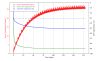
A Dutasteride Simulator predicts serum dutasteride, serum DHT, and scalp DHT levels using models from research papers. It simulates various dosing schedules to determine steady-state effects and visualizes outcomes, including hair growth-related scalp DHT suppression.
The conversation discusses whether to use finasteride for hair loss, considering its role in inhibiting DHT and 5AR, which can affect brain function and mood. Some users report anxiety and depression from finasteride, while others do not experience these side effects and emphasize the importance of DHT for brain and prostate health.
The user experienced significant hair thickening after switching from three years of topical Minoxidil and keto shampoo to three months of topical finasteride and derma stamping. They also noted that they're using less than the recommended amount of finasteride, but still seeing great results.
User used Finasteride, Dutasteride, and Minoxidil for one year to treat hair loss. They discussed possibly trying RU58841 or pyrilutamide in the future.
Topical Finasteride doesn't directly reduce 5ar enzyme on scalp and has the same mechanism as oral, needing to go through the liver. Users debate the accuracy of this information and discuss various studies and experiences.
User discusses hair regrowth using RU58841, minoxidil, and dutasteride. Many users praise the progress and ask about the treatments' effectiveness and side effects.
People notice more young individuals experiencing hair loss and discuss possible reasons, such as diet, hormones, and stress. Some treatments mentioned include finasteride, dutasteride, and minoxidil.
Dutasteride and finasteride may temporarily affect semen quality but are unlikely to cause permanent infertility. The Kim et al. study is criticized for poor methodology, and many prefer hair retention over potential fertility concerns, using treatments like dutasteride, finasteride, and minoxidil.
A person experienced hair loss after switching from finasteride to dutasteride and returned to finasteride, adding oral minoxidil. Dutasteride may increase scalp testosterone, worsening hair loss for some individuals.
A 52-year-old is switching from finasteride to dutasteride to address crown balding, despite concerns about potential side effects. They have used finasteride for nearly 30 years, had a minor hair transplant, and are considering further treatments if dutasteride doesn't improve their condition.
Topical dutasteride is more effective than finasteride for hair loss but lacks FDA approval and research, leading to less use. Users report varying effectiveness and side effects, with some preferring oral treatments.
Oral minoxidil and vitamins reduced shedding for one user. Others distrust dermatologists and prefer personal research on treatments like finasteride and microneedling.
GT20029 and KX826 are promising hair loss treatments, with GT20029 increasing hair count and KX826 showing significant results. KX826 may be a good alternative for those who can't use finasteride or dutasteride, though results vary.
The conversation discusses whether 2.5mg of dutasteride or 200mg of testosterone weekly is more influential in preventing hair loss, with various personal experiences indicating that the effectiveness is dependent on the individual's genetic profile. Some users report that dutasteride is likely to be more effective at the given doses.
The effectiveness of Dutasteride compared to Finasteride in treating hair loss, with evidence given such as studies and experiences, as well as discussion around whether one should switch from Finasteride to Dutasteride. There is also a discussion on post-Dutasteride syndrome.
A user discusses starting nandrolone replacement therapy to stop hair loss and improve hair health, noting its benefits over finasteride. They report halted hair loss, improved skin, increased muscle, and a calm mood after three weeks.
A 22-year-old has been using 1mg oral finasteride and 5mg oral minoxidil for a year, considering switching to dutasteride due to perceived lack of results. Most responses suggest continuing the current treatment as hair quality has improved, with some recommending against switching to dutasteride and suggesting alternatives like dermarolling or hair transplants for hairline issues.
Creatine may cause increased hair shedding in some individuals, especially those with androgenetic alopecia (AGA), despite its physical performance benefits. Many users report stopping creatine to reduce hair loss, while others believe the effects are anecdotal or due to other factors like increased physical activity.
Hair loss treatments like finasteride, minoxidil, dutasteride, and RU58841. Users suggest hair fibers for temporary coverage and consider hair transplants for permanent solutions.
Androgenetic alopecia is caused by DHT affecting hair growth. Finasteride and minoxidil are used to manage hair loss by blocking DHT and promoting hair growth.