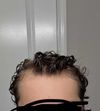
The user experienced significant hair regrowth over eight months using 0.5mg dutasteride, 2.5mg oral minoxidil, and 5% topical minoxidil, with plans to continue treatment and update at the one-year mark. They reported no side effects and started derma stamping to enhance results.
The user has been using 5% topical minoxidil for a year, but hair loss has worsened recently. They are considering adding finasteride to their treatment.
The user has been using minoxidil and finasteride for 3.5 months and has seen a 20% improvement in hair density. They are advised to continue treatment and consider switching agents or adjusting dosages if needed.
The user is experiencing significant hair regrowth after 2.5 months using 1mg oral finasteride, 2.5mg oral minoxidil, 5% topical minoxidil, biotin, vitamin D3, fish oil, and weekly microneedling with a 1mm roller. They are considering switching to a derma stamp and are pleased with the results, despite some concerns about using both oral and topical minoxidil together.
A user experienced worsening hair recession after adding 0.5 mg daily dutasteride to their regimen of topical minoxidil and finasteride, despite no initial shedding. They plan to continue monitoring the situation, as others suggest it may be too early to see results and recommend blood tests to check DHT levels.
Pyrilutamide's 0.5% solution showed minimal improvement, while the 1% solution appears more promising but costly. The user is currently using finasteride and oral minoxidil and considering adding Pyrilutamide if effective and affordable.
The user shared their one-year progress using 5% topical minoxidil and 1mg oral finasteride, reporting good results with some shedding phases. They experienced no side effects and noted improved hair density, especially in the frontal area.
The user experienced significant hair regrowth using a topical solution of minoxidil 5% and finasteride 0.1% over 100 days, with plans to continue for a year before switching to a maintenance dose. Despite skepticism from others about using hair fibers, the user insists on the authenticity of their progress and reports no side effects from the treatment.
The user has been using a topical solution of minoxidil 5% and finasteride 0.025% daily, along with dermastamping every two weeks and ketoconazole shampoo twice a week for four months. The treatment is for hair loss.
User reports more hair growth after 2.5 months using oral finasteride and topical minoxidil, though new hair is thinner. Others praise the progress and express hope.
User is 1.5 months into using oral minoxidil and finasteride for hair regrowth, along with dermarolling. They report good progress and seek advice on whether new hairs will thicken.
Dutasteride at 0.5 mg/day does not significantly alter allopregnanolone levels, but higher doses (2.5 mg/day) do. Dutasteride may also have anti-neuroinflammatory effects, but the impact on neurosteroids is still debated.
A user shared their 6-month hair loss progress using minoxidil 5% twice daily and finasteride, noting significant improvement. They experienced an itchy scalp initially but resolved it by washing their hair daily and using oils and conditioner as needed.
The user has been using 5% Minoxidil foam for three months, 1mg Finasteride for 1.5 months, weekly derma stamping, and Ketoconazole shampoo twice a week for hair loss treatment. They have not noticed any improvement since February and are concerned about baby hair falling out when applying Minoxidil and shampooing.
One study suggests a 0.2% caffeine concentration is nearly as effective as 5% minoxidil for hair loss, while other findings indicate that concentrations between 0.001% and 0.005% are more effective, with 0.001% being the most effective. There is no clear consensus on the optimal caffeine concentration for hair loss treatment.
Beta-sitosterol may inhibit 5-alpha reductase type 2 enzyme, potentially reducing DHT levels and promoting hair growth, similar to finasteride but possibly with fewer side effects. Its effectiveness and side effects compared to other treatments like saw palmetto and finasteride remain uncertain due to limited research.
User started 0.5 mg dutasteride in September 2022 and oral minoxidil in February 2023. Hair loss increased initially, but improved after increasing minoxidil dosage.
User used sublingual minoxidil for 5 months and saw progress. Also used topical dutasteride, alfatradiol, tretinoin, and reduced oral finasteride dose.
Natural treatments for hair loss, specifically peppermint oil and rosemary oil; how they can be used as a supplementary or alternative treatment to pharmaceuticals such as finasteride and minoxidil; and the personal experience of the user Divallo, who has seen an increase in density and thickness after using these oils for around 2.5 years. The post also touches on the potential antifungal properties of the oils and their effects on cutaneous blood flow.
The conversation discusses using minoxidil 5% with azelaic acid for hair loss treatment. Users share tips on sourcing and mixing azelaic acid with minoxidil.
User noticed hair growth after 1.5 months using Fin, Min, stemoxydine, dermarolling, nizoral, and scalp massage. Others commented on promising results and potential improvement in 6 months.
The half-life of Dutasteride is commonly stated as around 5 weeks, but some sources suggest it is 170 hours for men aged 20–49, with further information indicating it varies from 3 days to 5 weeks depending on the dose. The user is seeking clarity on these conflicting figures.
The user started using a hair loss treatment regimen including 5% minoxidil spray twice daily, 1% finasteride spray once daily, microneedling weekly, and ketoconazole shampoo twice a week, experiencing significant hair shedding. The shedding is seen as a positive sign, indicating hair follicles are entering a new growth phase.
A user shared their hair transplant experience with 5,100 grafts at Hair of Istanbul, costing $4,500, but many commenters suspect the post is promotional for the clinic. The user did not use Minoxidil or Finasteride post-surgery, which some commenters criticized.
The user shared a 3.5-month hair regrowth update using finasteride, 5% topical minoxidil, micro-needling, and keto shampoo, along with lifestyle changes like reducing stress and improving diet. They encourage others to stay committed to their regimen despite initial slow progress.
A user experienced hair loss improvement with Minoxidil and Finasteride but after stopping for 3-5 weeks, their hair got significantly thinner. They resumed treatment but didn't recover their previous hair thickness and are now trying RU58841 despite potential risks.
After 2.5 years of using 1mg finasteride daily, 5% minoxidil foam twice daily, and weekly micro-needling, the user reports thicker, healthier hair without further loss. They noticed initial regrowth at 3 months, with significant improvement up to 18 months, and no negative side effects from the treatment.
User shares 2.5-month progress with hair loss pill, others discuss their experiences and results. Some mention using Minoxidil, Finasteride, and microneedling for hair regrowth.
A user's progress with treating hair loss over 3.5 months, which involves taking finasteride MWF, minoxidil daily and microneedling once a week. There was positive feedback from other users regarding the results.