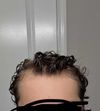
Switching from 1mg to 5mg finasteride cut into four pieces led to increased hair shedding, from 3 hairs to 10-30 hairs a day. The user also takes multivitamins, biotin, and fish oil.
The post and conversation are about a user's progress with hair loss treatments. The user has been using oral minoxidil and finasteride for several months and recently added dutasteride. They also use Nizoral shampoo. The user is happy with the results so far.
Clascoterone 5% topical solution shows promise for treating male-pattern hair loss by blocking DHT at the follicle without systemic absorption, potentially offering fewer side effects than oral treatments like finasteride. While results are promising, long-term safety and effectiveness need further study, and it may serve as a starting point for developing more effective treatments.
A 22-year-old is experiencing hair loss after transitioning from fem HRT to DIY testosterone therapy and is considering using Dutasteride while also taking Saw Palmetto. They are concerned about the impact on virilization and proper development.
Dutasteride and finasteride can affect libido differently, with some experiencing increased libido and others decreased libido or erectile dysfunction. Dutasteride may increase testosterone levels but can also cause side effects like liver enzyme changes, while topical finasteride may have fewer sexual side effects.
The user experienced hair loss and used a topical minoxidil and finasteride solution, which initially halted hair fall and increased thickness. After switching to oral finasteride, they experienced significant shedding without regrowth, leaving them worse off than before.
A user's progress with treating their hair loss, which consists of using Dutasteride, RU58841, Stemoxydine and Tretinoin 0.05% over the past three months.
A 45-year-old male experienced significant hair regrowth and thicker eyebrows and eyelashes after five months of using oral finasteride (1.2mg) and minoxidil (3mg), despite initial side effects. He noticed improvements within the first month and reported minimal shedding, with the treatment being more effective than topical solutions.
The conversation is about whether 0.5 mg of finasteride reduces scalp DHT as effectively as 1 mg. Users suggest that even lower doses like 0.05 mg can significantly reduce scalp DHT.
Topical finasteride is considered safer for the liver than oral finasteride due to less systemic absorption, but regular liver function tests are advised. The user is concerned about liver health due to a history of NAFLD and is exploring topical finasteride as a safer alternative.
IGFBP‐rP1 shows potential for treating androgenic alopecia by influencing hair cycle transitions. Increasing IGF-1 levels may have similar effects to Minoxidil and 5-AR inhibitors in reducing hair loss.
The conversation discusses how applying topical tretinoin for 5 days can convert 43% of individuals who initially do not respond to minoxidil into responders, enhancing the effect of minoxidil on hair growth. Specific treatments mentioned are minoxidil and tretinoin.
The user is using a topical solution containing 1% finasteride and 5% minoxidil for hair loss, with water, glycerin, and PEG-40 hydrogenated castor oil as carrier agents. They are questioning if these ingredients are effective carriers after using the solution for three months.
PP405 shows promise in hair regrowth, potentially outperforming existing treatments like finasteride and minoxidil, with significant results in just four weeks. The treatment is still in early stages, with further trials needed to determine its long-term effectiveness and optimal dosage.
A 17-year-old is looking for alternatives to finasteride for DHT control to preserve hair, considering ketoconazole shampoo for its potential to inhibit 5AR and also thinking about using caffeine-containing shampoos like alpecin or watermans.
Hair loss treatments discussed include finasteride, minoxidil, spironolactone, and estradiol, with concerns about side effects like sexual dysfunction and feminization. Some users prefer hair transplants or shaving over medication due to potential side effects.
A new hair loss treatment, PP405, is moving from phase 2A to 2B in clinical trials, sparking discussions about its potential to regrow dormant hairs and its impact on existing treatments like Minoxidil and finasteride. Some users express skepticism, while others are hopeful about its future effectiveness.
A user has been on oral Finasteride/Proscar for 15 years and started using topical Minoxidil, RU58841, and Dutasteride, along with microneedling, 2 years ago. They shared progress pictures and discussed their treatment routine.
Using a combination of low-dose topical finasteride (0.025%) and 0.5% pyrilutamide for hair loss, with a focus on minimizing side effects. The user seeks experiences and results from others who have tried this combination.
The user has been on finasteride for 1.5 years with good results but avoids minoxidil due to pet safety concerns. They're considering alternatives like Redensyl and natural remedies like rosemary oil and stinging nettle tincture for hair loss.
Clascoterone is a topical treatment for androgenetic alopecia, showing modest to moderate hair regrowth, and may be available by 2027-2028. It is considered safer than finasteride, with discussions on its effectiveness compared to RU58841 and pyrilutamide.
A 19-year-old diagnosed with AGA was refused finasteride by a dermatologist who cited fertility concerns and prescribed minoxidil, vitamins, and shampoos instead. The user is unsure about using minoxidil and considers finding another dermatologist.
The conversation discusses the use of vasodilators like Minoxidil, L-arginine, and Niacin for hair regrowth, with Minoxidil causing intolerable side effects for the original poster. It also highlights that certain medications, including Lisinopril, antidepressants, and statins, can cause hair loss.
The conversation discusses alternative hair growth treatments to minoxidil, including Stemoxydine, Tretinoin, adenosine, Baicalin, castor oil, Latanoprost/bimatoprost, and Redensyl. Users share their experiences and opinions on the efficacy of these treatments.
The conversation discusses hair loss treatments, including finasteride, minoxidil, estradiol, and spironolactone, with a focus on their effects on hair regrowth and gender transition. The original poster shares their personal experience with these treatments, emphasizing that estradiol and spironolactone should not be used by those who want to maintain a masculine appearance.
The conversation is about whether it is safe to take Xeljanz, a JAK inhibitor, while also taking finasteride for hair loss. The concern is that Xeljanz weakens the immune system, which could be risky.
A user increased their finasteride dosage from 0.5 mg to 1 mg due to ongoing hair miniaturization, despite some improvement. They are considering dutasteride and have not used minoxidil, but are cautious about potential side effects.
The user has been on finasteride for 16 months and is considering natural remedies like peppermint oil, rosemary oil, saw palmetto, green tea extract, l-lysine, and oral castor oil to enhance hair growth in addition to finasteride. They are interested in the potential benefits of combining these natural treatments with finasteride to improve hair loss outcomes.
Fluridil, an antiandrogen that is not widely used or known about due to its expense and lack of availability in the US. It is suggested as a potential alternative for people who don't want to lower their DHT through treatments such as Minoxidil, Finasteride, Nizoral shampoo, and Dermarolling.