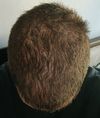
Rosemary Oil may inhibit the activity of 5α-Reductase, potentially promoting hair growth. Specific treatments discussed include Minoxidil, Finasteride, and RU58841.
The conversation discusses whether to use finasteride for hair loss, considering its role in inhibiting DHT and 5AR, which can affect brain function and mood. Some users report anxiety and depression from finasteride, while others do not experience these side effects and emphasize the importance of DHT for brain and prostate health.
A 22-year-old male experiencing diffuse hair thinning has been using finasteride, initially at 0.5mg and then 1mg daily, but sees no improvement. Despite correcting a vitamin D deficiency and noticing some new hair growth, he questions the effectiveness of finasteride.
The user started balding at 16/17 and tried various treatments including minoxidil, finasteride, and dutasteride with little success. They recently started applying diclofenac gel to their bald areas and noticed some hair regrowth, attributing this to diclofenac's ability to lower prolactin levels and its anti-inflammatory effects.
The user is 4 months into using a treatment with 5mg Dutasteride and 1.25mg Minoxidil daily, along with vitamin K2 and weekly dermastamping. They report some hairline improvement but no noticeable change in the crown area yet.
The conclusion of this conversation is that the user experienced hair regrowth and increased overall hair thickness after using dutasteride and derma pen treatments for 5 years. They did not experience any side effects.
People are experimenting with high doses of dutasteride, with some reporting halted hair loss and regrowth. Others are combining it with treatments like minoxidil and finasteride, noting varying results and side effects.
Combining dutasteride and an aromatase inhibitor may increase testosterone levels significantly, potentially enhancing athletic performance but also posing health risks like elevated blood pressure and worsened cholesterol. The user is experimenting with dutasteride, anastrozole, minoxidil, and ketoconazole shampoo to manage hair loss and estradiol levels, while monitoring side effects and hormone levels.
The solution contains minoxidil, finasteride, azelaic acid, caffeine, retinoic acid, and procapil. Users suggest minoxidil with tretinoin and a 5-alpha reductase inhibitor, while dismissing retinoic and azelaic acids as unnecessary.
The user shared their hair regrowth journey using treatments like dutasteride, minoxidil, microneedling, tretinoin, Nizoral, silica, biotin, and hormone replacement therapy (HRT) with cyproterone and estradiol. They reported substantial hairline improvement and some crown thinning, with hopes for further progress.
The user is considering increasing their dutasteride dose and trying clascoterone or RU58841 for hair loss stabilization. They have used finasteride, minoxidil, and dutasteride, with some success but recent setbacks.
User added RU and pyrilutamide for hair growth and noticed more baby hairs. Others suggest sticking with fin and min, while some discuss the user's self-image and hair loss severity.
The user is using 0.1% dutasteride, 1% minoxidil with 2% procapil and 0.005% caffeine in the morning, and 1% minoxidil with 2% procapil and 0.01% tretinoin at night. They are concerned about the solution vehicle's effectiveness in preventing systemic absorption and ensuring the products stay around the hair follicles.
A user's successful hair regrowth after 7 months of using 5% minoxidil, 1mg finasteride, and adding micro needling 4 months ago. The user also took biotin, fish oil, and collagen supplements, and reduced finasteride intake to once every 3 days due to minor libido decay.
A user shared progress pictures showing hair regrowth after using a homemade oral solution of 1 mg dutasteride and 2.5 mg minoxidil. Commenters noted significant improvement and increased body hair.
Hair is growing faster after 2 weeks of using topical vitamin D3 in alcohol/oil. The user plans to continue the experiment for 3 months before giving a full review.
A 40 year old male using Dutasteride every other day, Minoxidil once daily, micro needling roughly every other week, Nizoral twice a week and taking vitamins and biotin, with results showing hair darkening. The conversation includes discussion of side effects experienced by the user, as well as potential alternative treatments such as finasteride or RU58841.
A 42-year-old male shared his 5-month progress using oral dutasteride, oral and topical minoxidil, and dermarolling for hair regrowth. He reported significant improvement and discussed the potential for further progress and maintenance, while addressing concerns about the safety of his minoxidil dosage.
Using a combination of Stemoxydine, minoxidil, dutasteride, and keto shampoo to achieve extreme hair and beard growth. The user has experienced positive results with terminal hairs at the hairline and an increase in density to their stubble after several weeks of use.
Clascoterone 5% topical solution shows promise for treating male-pattern hair loss by blocking DHT at the follicle without systemic absorption, potentially offering fewer side effects than oral treatments like finasteride. While results are promising, long-term safety and effectiveness need further study, and it may serve as a starting point for developing more effective treatments.
User is using a homemade topical treatment with .015% finasteride, 5% minoxidil, and microneedling at .75mm depth. They also use 2% ketoconazole shampoo, various oils, and are considering increasing finasteride concentration due to mixed results.
The conversation discusses a last-resort hair loss treatment combining topical finasteride, minoxidil, melatonin, and progesterone, with claims that topical finasteride can inhibit up to 52% of scalp DHT. One reply clarifies that progesterone is not an anti-androgen but has anti-androgenic properties because it competes with androgens for receptors.
A 17-year-old is experiencing genetic hair loss and is considering treatments like Minoxidil, Rosemary oil, or Finasteride. They have a vitamin D deficiency but believe it is not the cause of their hair loss.
Triple Hair's TH-16, a product claimed to be more effective than Minoxidil 5%, has been released; it contains melatonin and resveratrol. One user reported success with topical melatonin and dermarolling.
The user has been using dutasteride and finasteride but still experiences hair loss and high DHT levels. They plan to try topical finasteride and RU58841 while continuing dutasteride to see if topicals are more effective.
The user shared their 3.5-month progress using 1mg finasteride, topical minoxidil, and 0.5mg dutasteride, along with biotin, vitamin D, saw palmetto, and multivitamins. They reported improvements in hair regrowth with some dryness from minoxidil and use micro-needling weekly.
The user experienced significant hair regrowth using a combination of oral minoxidil (5mg) and dutasteride (0.5mg) along with monthly mesotherapy injections. Despite the progress, the user plans to proceed with a hair transplant to address a receding hairline that hasn't fully responded to the treatment.
The conversation discusses using scalp antiandrogens like RU58841, pyrilutamide, or fluridil on the face to reduce sebum production, noting that clascoterone (winlevi) is an approved facial antiandrogen with underwhelming reviews.