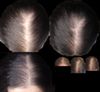
Stemoxydine's effects on hair growth are uncertain and not well-studied, with users reporting mixed results and concerns about maintaining gains. Some users combine it with 5AR inhibitors like Dutasteride, but results vary, and conditions like lichen planopilaris complicate treatment.
OP switched from finasteride to dutasteride due to hair loss, but after 5 months, they are experiencing diffuse thinning and scalp issues. They are considering additional treatments like RU58841 and are using minoxidil, essential oils, and keto shampoo to manage symptoms.
The conversation discusses the effectiveness of reducing DHT for hair loss treatment and explores alternative approaches like reducing androgen receptor sensitivity. Specific treatments mentioned include finasteride, dutasteride, pyrilutamide (KX-826), GT20029, and RU58841.
The user is concerned about high DHT levels despite using finasteride and dutasteride for hair loss, suggesting these treatments may not be effective. They plan to consult an endocrinologist and consider other antiandrogens, acknowledging potential side effects.
Dutasteride might be better for hairline due to varying levels of 5AR activity in scalps. Genetic tests can determine if finasteride is enough or if dutasteride is needed.
The discussion is about whether to continue reducing finasteride dosage with already low DHT levels. Treatments mentioned include minoxidil, finasteride, and RU58841.
The user started treating their slightly thinning, receded hairline with a serum containing Redensyl and other ingredients, and dermarolling weekly. They recently began taking finasteride and plan to stop Redensyl in the future to test if hair loss resumes.
GT20029 is discussed as a potential treatment for androgenetic hair loss by targeting androgen receptors, unlike finasteride which reduces DHT broadly. Concerns include its effectiveness, genetic variations in androgen receptors, and availability, with some skepticism about its potential as a true alternative.
The conversation discusses using RU58841 for hair loss, with OP experiencing thinning in the front area and steady hair loss. OP plans to try microneedling while avoiding finasteride and dutasteride.
The user has been using finasteride and minoxidil for five years but continues to experience hair thinning and density loss. They are considering switching to dutasteride for potentially better results.
The conversation discusses a new model for understanding androgenetic alopecia (AGA), linking it to dietary and lifestyle factors similar to PCOS, and highlighting the role of DHT, vascular damage, and inflammation. Treatments mentioned include Minoxidil, finasteride, and RU58841.
A user experienced accelerated hairline recession after adding dutasteride to their regimen of topical finasteride and minoxidil, despite reduced hair shedding. They were informed that ELISA testing for DHT levels can be highly inaccurate.
The user has been experiencing prolonged hair shedding despite using Dutasteride, Minoxidil, and topical Finasteride, with blood tests showing high free testosterone and low SHBG. Suggestions include adjusting Minoxidil dosage, considering topical anti-androgens like RU58841, and addressing metabolic factors to increase SHBG.
The user is allergic to minoxidil and plans to try Redensyl hair serum and derma rolling for hair regrowth. They cannot start finasteride until age 18.
A 25-year-old male with seborrheic dermatitis and hair thinning seeks advice on the severity of his condition and treatment options. Oral finasteride and oral minoxidil are recommended as the most effective long-term treatments.
A 27-year-old is experiencing significant hair loss despite using a combination of 0.5mg dutasteride daily, topical minoxidil, nizoral shampoo, and vitamin D optimization, and is now starting zinc supplementation. Suggestions include considering other causes, possibly increasing dutasteride dosage, switching to oral minoxidil, or maintaining the current regimen and reassessing in six months.
A 25-year-old is using 1.25mg finasteride six times a week and 5% topical minoxidil daily for hair loss. They are experiencing reduced libido and erectile issues, possibly due to stress, and are questioning if the finasteride dosage is affecting DHT suppression.
A 16-year-old is experiencing hair loss and is using minoxidil, finasteride, and plans to add RU58841, while considering other treatments like MK-677 and microneedling. Concerns are raised about the potential impact of these treatments on puberty and development.
Micronutrient testing and deficiencies related to hair loss, particularly androgenetic alopecia (AGA). Discussion includes the impact of iron, selenium, zinc, copper, folate, B12, vitamin E, vitamin D, amino acids, and fatty acids, alongside treatments like dutasteride or finasteride.
The user experienced rapid diffuse hair thinning for five years despite no signs of AGA or miniaturization. They tried finasteride and oral minoxidil without success and have checked thyroid, iron, and vitamin D levels.
17-alpha-estradiol may work for hair loss by inhibiting 5-alpha reductase, similar to finasteride. It might lower testosterone in the scalp, reducing DHT conversion.
A 23-year-old male has been using oral dutasteride and minoxidil for 1.5 years for temple recession, adding topical minoxidil and tretinoin 5-6 months ago, and recently adjusted thyroid medication and added iron supplements due to deficiencies. He noticed some baby hairs but no significant growth yet, and reports no shedding on dutasteride.
Users discuss using pyrilutamide for hair loss, seeking alternatives to 5AR inhibitors. They mention using minoxidil, ketoconazole shampoo, and RU58841.
A trans man is experiencing hair loss due to testosterone therapy but is unwilling to stop the treatment despite concerns about using finasteride. The individual is distressed about balding at a young age but acknowledges it is genetic.
Finasteride's effectiveness and side effects may vary based on male phenotypes, with some users noting differences in response related to body and facial hair characteristics. Some users report success with lower doses, while others experience side effects, suggesting individual variability in response to the treatment.
A user has been taking finasteride for 5 months with no improvement in diffuse hair loss and suspects high levels of prolactin, cortisol, progesterone, and DHEAS, as well as iron, might be contributing to the issue. They are also taking vitamin D to address a deficiency.
DUPA and retrograde alopecia may not be solely DHT-based, and a biopsy is crucial for accurate diagnosis and treatment. Treatments mentioned include dutasteride, oral minoxidil, pioglitazone, clobetasol, calcipotriol, ketoconazole, and doxycycline, depending on the specific condition.
A 24-year-old is experiencing hair shedding and regrowth while using dutasteride (1mg), vitamin D, and minoxidil (5%). Others share similar experiences with hair loss treatments like minoxidil and finasteride.