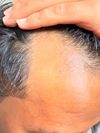
Starting with 5 mg of oral minoxidil for faster initial results, then reducing to 2.5 mg to maintain progress. The user seeks opinions on this approach.
The user is struggling with hair loss despite using topical minoxidil, finasteride, and oral dutasteride, and is seeking affordable alternatives to 2.5mg dutasteride. Suggestions include checking for scalp inflammation, considering oral minoxidil, using rosemary oil, and possibly trying saw palmetto, though results may vary.
The conversation discusses the effectiveness of DHT blockers for hair loss, questioning if they are just vitamins or truly effective. Specific treatments mentioned include Minoxidil, finasteride, and RU58841.
The conversation discusses increasing dutasteride dosage to 2.5mg for hair loss treatment, with suggestions to take multiple 0.5mg pills due to the unavailability of 2.5mg tablets in the US. Users also mention using ketoconazole and express skepticism about the effectiveness and safety of high doses.
Blocking DHT is not a complete solution for hair loss; instead, altering the scalp's response to DHT may be more effective. Topical finasteride and minoxidil are current treatments, but future approaches may involve bioengineering, gene therapy, and inflammation control.
A 30-year-old man experienced significant hair loss after starting testosterone replacement therapy (TRT), which did not improve with daily finasteride and minoxidil. He is considering restarting TRT and is seeking advice on using pyrilutamide or RU58841 to prevent further hair loss.
The user received trichotest results indicating finasteride is ineffective for them, and they plan to use dutasteride mesotherapy and add cetirizine to minoxidil. They seek advice on incorporating dutasteride into their regimen.
The conversation discusses how applying topical tretinoin for 5 days can convert 43% of individuals who initially do not respond to minoxidil into responders, enhancing the effect of minoxidil on hair growth. Specific treatments mentioned are minoxidil and tretinoin.
The user is using 0.1% dutasteride, 1% minoxidil with 2% procapil and 0.005% caffeine in the morning, and 1% minoxidil with 2% procapil and 0.01% tretinoin at night. They are concerned about the solution vehicle's effectiveness in preventing systemic absorption and ensuring the products stay around the hair follicles.
Minoxidil can prevent hair follicle miniaturization, not just stimulate hair growth. Finasteride and dutasteride don't work for everyone, suggesting DHT may not be the sole cause of hair loss; hair loss could be due to multiple factors, including autoimmune conditions.
Finasteride is being used to prevent further hair loss, with hopes of thickening existing thin hair, but results are slow. Users suggest adding minoxidil, dermastamping, and possibly dutasteride for better results.
The conversation is about seeking alternatives to finasteride for hair loss treatment due to concerns about sexual side effects, with pyrilutamide mentioned as a potential alternative.
A 29-year-old male has been taking 1mg finasteride daily for 8 months and using 5% minoxidil with tretinoin but is experiencing increased hair shedding and higher DHT levels. He is concerned about the effectiveness of finasteride and has noticed low libido and occasional ED.
Mixing RU58841 with minoxidil compounded with tretinoin is discussed, with concerns about systemic absorption. Topical dutasteride and finasteride are also mentioned as treatments, with varying personal experiences and concerns about side effects.
The user lost gym motivation after taking finasteride for four months, possibly due to its effect on DHT levels. Suggestions include adjusting dosage, trying topical treatments, using caffeine, checking testosterone levels, and considering supplements like SSRIs or pregnenolone.
Diffuse thinning is often due to androgenetic alopecia, and DHT blockers like finasteride are recommended. Treatments mentioned include minoxidil, finasteride, dutasteride, and RU58841, with emphasis on starting early and using a holistic approach.
The conversation is about a user's hair regrowth after using only finasteride for 5 months, with some users expressing congratulations and curiosity about the lack of minoxidil use and potential side effects.
The user has been using topical finasteride and minoxidil for 5 years, with recent use of a liposomal formulation, but sees no significant improvement. They are considering switching to oral treatments due to continued hair loss and thinning.
The user is using finasteride (1 mg daily), topical minoxidil, and microneedling with a derma stamp for hair loss. They reported shedding stopped and new hair growth appeared after a few months, with no side effects.
The user experienced significant hair improvement using daily dutasteride (0.5mg) and oral minoxidil (5mg), along with ketoconazole shampoo twice a week. They reported no significant side effects, except for mild hypertrichosis, and plan to continue the regimen for a few years before reducing the dosage.
A 25-year-old is experiencing hair thinning despite using oral minoxidil, finasteride, and dutasteride, and is considering adding topical minoxidil. They also have seborrheic dermatitis and are advised to try ketoconazole shampoo or cream and possibly CBD with MCT oil.
The user experienced significant hair improvement using 1mg finasteride and 2.5mg oral minoxidil daily, with most gains attributed to finasteride. They also stopped using topical treatments due to scalp psoriasis and reported no major side effects.
27-year-old female experiences aggressive hair thinning and hirsutism despite normal testosterone levels. Spironolactone and 2% minoxidil were ineffective; high DHEA sulfate levels may be the cause.
The user is using topical finasteride (1MG in 30ML stemoxydine) and experiencing a lack of morning erections after three months. They are questioning whether to discontinue the treatment or if the side effect will resolve if they continue.
A 31-year-old uses Minoxidil, RU58841, Reviv Hair Serum, and Ketoconazole shampoo for hair loss but avoids finasteride. They plan to reintroduce red light therapy (LLLT) and Eucapil despite previous shedding concerns.
Switching from finasteride to dutasteride led to hair loss despite continued use of minoxidil. Many recommend reintroducing finasteride, as responses to treatments can vary.
A user experienced significant hair regrowth using dutasteride without side effects, starting with finasteride and not using minoxidil or dermarolling. They attributed success to a unique genetic response to DHT blockers but did not share their full regimen, frustrating others.
Hair loss treatments, specifically the use of finasteride, microneedling and potentially oral minoxidil. People discussed their experiences with finasteride, its effects on sexual behaviors, as well as potential solutions such as tadalafil or using other growth factor signal peptides for hope in curing male pattern baldness.
The user experienced significant hair regrowth after 5 months using finasteride, dutasteride, and oral minoxidil, despite initial side effects like erectile dysfunction, which resolved after switching from finasteride to dutasteride. The user reports full recovery of hair density and improved skin condition, though the right temple remains slightly recessed.
Imidazole drugs like ketoconazole inhibit certain enzymes and prevent DHT from binding to SHBG, increasing free DHT in the bloodstream, which may contribute to balding. The discussion questions how these drugs help with hair loss despite this effect.