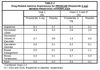
Natural vitamins like pumpkin seed oil, saw palmetto, and ecklonia cava are discussed for their potential to lower DHT levels. They may work similarly to finasteride but are significantly weaker.
The conversation discusses natural DHT blockers like rice bran oil, which may reduce 5α-reductase activity similarly to Minoxidil and Dutasteride. One user argues that finasteride is more reliable and effective than natural alternatives.
The conversation discusses using zinc sulphate and azelaic acid to inhibit 5 alpha-reductase activity, which could potentially treat androgen-related skin conditions like hair loss. Combining these with vitamin B6 could enhance the effect, potentially offering an alternative to finasteride.
Reishi mushroom is significantly weaker than finasteride for inhibiting 5 alpha reductase, requiring much larger quantities to achieve similar effects. The effectiveness and safety of consuming large amounts of Reishi for hair loss are uncertain.
Fluridil may decrease the number of androgen receptors in hair follicles by up to 95%. This suggests a different action mechanism from other non-steroidal antiandrogens like RU58841, indicating they might be used together.
Elevated bile acids can inhibit the enzyme AKR1C2, leading to increased DHT levels, which may accelerate hair loss in those predisposed to androgenetic alopecia. Treatments mentioned include topical minoxidil and finasteride.
Stemoxydine's effects on hair growth are uncertain and not well-studied, with users reporting mixed results and concerns about maintaining gains. Some users combine it with 5AR inhibitors like Dutasteride, but results vary, and conditions like lichen planopilaris complicate treatment.
The user experienced sexual side effects after starting finasteride and later switched to dutasteride, noticing hormonal changes. They are considering using P5P and possibly aromatase inhibitors to manage high prolactin and estradiol levels.
Oral dutasteride is the most effective for hair regrowth, followed by oral finasteride and minoxidil. Topical finasteride combined with minoxidil is recommended for those avoiding systemic DHT reduction.
Finasteride reduces scalp DHT significantly even at low doses, with 0.2 mg reducing it by about 55%, but higher doses like 1 mg and 5 mg offer only marginally more reduction. Users discuss side effects, with some experiencing none and others reporting issues like low libido, and they also mention using other treatments like minoxidil and dutasteride.
Minoxidil may inhibit androgen receptors and affect hormonal pathways, potentially explaining its effectiveness in treating androgenetic alopecia (AGA). Users discuss its varying effectiveness on scalp versus facial hair and note fewer side effects with topical use compared to oral.
Avixis Alfatradiol is a topical 5-alpha reductaseinhibitor available in Latin America and Germany, but its effectiveness is questioned. A user reported worsened hair loss after using it and recommended finasteride instead due to its proven effectiveness and lower cost.
Some individuals experience side effects from 5AR inhibitors like finasteride and are considering hair transplants without these medications, with some opting for surgeons like Dr. Zarev. Others are exploring alternative treatments and waiting for new medications in development, while some discuss managing side effects through lifestyle changes or additional medications.
Reducing scalp DHT doesn't directly correlate with preventing hair miniaturization, as different follicles have varying sensitivity levels. Dutasteride at 0.5 mg and 2.5 mg shows minimal visual difference in hair regrowth, with side effects being a consideration for higher doses.
The discussion is about whether to continue reducing finasteride dosage with already low DHT levels. Treatments mentioned include minoxidil, finasteride, and RU58841.
L. reuteri, a probiotic, is being explored for its potential benefits in treating androgenic alopecia, possibly enhancing finasteride's effects and reducing inflammation. The user combines this with finasteride, oral minoxidil, and other supplements, noting some improvement in hair loss.
The post and conversation are about the role of the enzyme 3alpha-hydroxysteroid reductase in hair loss and the potential of compounds like procyanidin B2 and sulforaphane to boost its activity for hair regrowth. Further research is needed to develop effective treatments based on this theory.
The impact of creatine on DHT levels, and whether it could cause accelerated male pattern baldness (MPB). The user taking a 5 alpha reductaseinhibitor found that their DHT levels actually reduced despite taking creatine for nine weeks. Replies suggested looking into testosterone levels as well and debating the safety of creatine use in relation to MPB.
The conversation discusses androgen receptor degraders for hair loss, highlighting their potential advantages over traditional AR blockers like RU58841 and pyrilutamide. Concerns about the safety and cost of these treatments are also mentioned.
Topical dutasteride is suggested as a low side-effect treatment for hair loss, with a proposed dose of 0.025% 1ml/day. It is considered better than finasteride due to its even inhibition of DHT isoforms and lower systemic absorption.
The user does not respond well to minoxidil and is seeking an alternative to Tretinoin to upregulate sulfurtransferase activity for hair loss treatment. No specific alternative treatments were mentioned.
The post discusses a user's hair loss treatment involving Dutasteride 2.5 mg 5 times per week, Finasteride 1mg 4 times per week, RU58841 daily, and Minoxidil twice daily. A reply suggests that the combination is excessive, particularly the use of both Dutasteride and Finasteride, and labels it as a "chemical castration protocol".
User considers adding Alfatradiol to their topical finasteride treatment for hair loss. Others discuss Alfatradiol as a weak estrogen and 5α-reductaseinhibitor used for pattern hair loss in men and women.
DHT may inhibit hair growth by affecting mitochondrial function, leading to hair follicle miniaturization. Treatments like minoxidil and PP405 may promote hair growth by altering metabolic pathways, potentially counteracting DHT's effects.
Tazarotene's potential to enhance Minoxidil conversion, similar to Tretinoin, is questioned. Users discuss the lack of information and seek further details.
A 27-year-old male is experiencing a recurring pattern of hair loss after 5 months of using oral minoxidil and finasteride, despite initial success. He is considering using topical androgen receptor blockers like RU58841, pyrilutamide, or clascoterone to address potential androgen receptor hypersensitivity.
Dutasteride 0.5 mg significantly reduces both scalp and hair follicle DHT, with a greater reduction in hair follicle DHT. The discussion questions which reduction is more important for androgenetic alopecia and diffuse thinning.
Pyrilutamide is a selective AR antagonist with a high binding affinity, making it effective in competing with DHT for androgen receptors. The 1% concentration is more effective than the 0.5%, but the latter may suffice for mild hair loss; the drug is considered a good option for those avoiding 5AR blockers due to side effects.