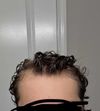
A user experienced hairline improvement after four weeks on 1.5mg dutasteride but had side effects like reduced libido and sensitive nipples. They plan to switch to finasteride to manage these side effects.
The conversation is about gathering serum DHT data from individuals taking dutasteride to investigate its efficacy, especially in cases with unexpectedly low DHT reduction. The aim is to explore potential genetic factors affecting drug metabolism.
User quit minoxidil and finasteride, starting stemoxydine, dermastamp, and dermapen for hair loss. Seeks advice on alternatives, avoiding androgen disruptors and vasodilators/vasoconstrictors.
Topical finasteride can be as effective as oral finasteride for hair regrowth with fewer systemic side effects, but precise dosing is essential. Combining oral dutasteride with topical finasteride is not recommended due to dutasteride's stronger inhibition.
The user has tried finasteride, minoxidil, dutasteride, microneedling, retinol, topical finasteride, and ketoconazole for hair loss but continues to experience hair recession. They are considering adding oral minoxidil or RU58841 and are unsure about the next steps.
A user has been using finasteride and minoxidil for hair loss without success and is considering switching to dutasteride. They are concerned about low DHT levels and are seeking advice on how to implement dutasteride effectively.
The user shared their hair regrowth journey using treatments like dutasteride, minoxidil, microneedling, tretinoin, Nizoral, silica, biotin, and hormone replacement therapy (HRT) with cyproterone and estradiol. They reported substantial hairline improvement and some crown thinning, with hopes for further progress.
Topical dutasteride 0.05% is more effective for hair growth than oral finasteride 1mg, with minimal DHT reduction. The formulation uses castor oil and MCTs for better absorption but is not widely available until 2028.
The user is considering adding Stemoxydine to their hair loss regimen, as they already use topical finasteride with rosemary and cannot use Minoxidil. They are seeking feedback on Stemoxydine and Alphatradiol, and another user mentions 2-deoxy-d-ribose as a potential option.
Switching from 1mg to 5mg finasteride cut into four pieces led to increased hair shedding, from 3 hairs to 10-30 hairs a day. The user also takes multivitamins, biotin, and fish oil.
A 32-year-old male shares his 5-year progress using finasteride, minoxidil, RU58841, and ketoconazole for hair loss. Despite consistent use, he feels his hair isn't as thick as before and is concerned about continued shedding and hairline miniaturization.
OP noticed an increase in DHT levels after 5 months of using finasteride and is unsure if the drug is effective or if other factors like stress or vitamins are influencing the results. Users suggest testing the medication for authenticity, consulting a doctor, and possibly trying a different brand or dosage.
Switching from finasteride to dutasteride can reduce scalp DHT levels more effectively. The discussion includes using minoxidil, finasteride, and RU58841 for hair loss treatment.
Taking creatine does not affect the effectiveness of finasteride for hair loss. Users generally agree that creatine is safe to use alongside finasteride and minoxidil.
The conversation discusses hair regrowth using 0.1% finasteride, 5% minoxidil, 1% retinoid, weekly microneedling, and red light therapy, with noticeable improvement in a short time. One person is curious about the retinoid application process when used with minoxidil.
Zinc picolinate and saw palmetto may lower DHT but are less effective than finasteride. Finasteride and minoxidil are preferred treatments, with ketoconazole shampoo as a suggested addition.
P-1075 is a more potent hair growth agent than Minoxidil, but it poses significant heart risks, making it unsafe for use. Despite promising results in macaques, concerns about its cardiotoxicity in rats have halted its development.
Pyrilutamide is discussed as a potential hair loss treatment, acting as an androgen receptor antagonist. The conversation questions if it can maintain hair long-term without using finasteride.
The conversation discusses the safety and cost of 2.5mg Dutasteride, and the potential for increased DHT reduction by combining Dutasteride with topical Finasteride. The original poster is currently using 0.5mg Dutasteride, 1.25mg oral Minoxidil, and a topical treatment, and is considering increasing the dosage to maximize results while avoiding less known treatments like RU58841.
DLQ01, a prostaglandin F2α analog, shows promise for hair growth by directly stimulating PGE2/PGF receptors without needing conversion, and can be combined with minoxidil and retinoids like tretinoin for enhanced effectiveness. Minoxidil's efficacy may be reduced by COX-1 inhibitors, but using prostaglandin analogs like Latanoprost or Bimatoprost can help maintain its effectiveness.
The user is using 5% minoxidil, 1mg finasteride, and a 1.5mm dermaroller 1-2 times a week for hair growth, noting improved growth speed and density. They avoid applying minoxidil immediately after dermarolling due to skin irritation.
Dutasteride at 2.5mg is considered a potential hair loss cure due to its DHT-blocking ability, but there are concerns about side effects and individual responses. Minoxidil, finasteride, and RU58841 are also discussed, with mixed opinions on their effectiveness and safety.
A man in his 40s treating his slow balding with a daily regimen of 2.5% spironolactone topical solution and Piroctone Olamine Shampoo. Despite initial hair shedding, he experienced no side effects and plans to continue the treatment for at least a year.
The user has been using 5% minoxidil with derma stamping and recently switched to foam, noticing more shedding. They are considering finasteride as the next step due to a family history of hair loss.
A user is seeking advice on making a topical bicalutamide solution as an alternative to RU58841 for hair loss, while already using dutasteride and minoxidil. They are considering crushing bicalutamide pills and adding them to their minoxidil.
A 26-year-old male has been using finasteride for 4.5 years to maintain hair and recently started taking dutasteride weekly due to increased hair shedding. He plans to gradually switch to dutasteride while monitoring side effects and hair changes.
RU and Pyri block androgen receptors to prevent hair loss but may also hinder hair regrowth since they prevent testosterone, which can stimulate hair growth, from binding to these receptors. The user is questioning if this understanding is correct.
The user has been using oral minoxidil and finasteride but continues to experience hair thinning. They are considering adding RU58841 or dutasteride to their regimen for better results.
Painkillers like Aspirin may reduce Minoxidil's effectiveness by inhibiting the enzyme PGHS-1, which is crucial for hair growth. Using NSAIDs that inhibit COX-2 or combining Minoxidil with PGF2/E2 analogues or retinoids may enhance its efficacy.
Female with PCOS experiences receding and thinning hair, wants dutasteride instead of spironolactone. Discusses desire to reduce DHT without losing libido.