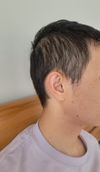
The user has been using finasteride every other day and oral minoxidil for hair regrowth, noticing new baby hairs. They are hopeful about regaining hair on their temples.
Fluridil was abandoned due to its weak effectiveness and low binding affinity to the androgen receptor, making it less competitive against DHT and testosterone. Users discuss its limited results compared to other treatments like pyrilutamide and RU58841.
The user is experiencing hair loss despite using estradiol, bicalutamide, dutasteride, and topical minoxidil. They stopped minoxidil temporarily, which worsened their condition, and are considering oral minoxidil but are concerned about side effects and cost.
A user has been using Topical Finasteride and Minoxidil for 10 months but continues to shed over 200 hairs daily, with minimal improvement. They are seeking advice on whether increasing the finasteride dose might help.
PP405 shows promise for hair regrowth, with new hairs observed in 66% of patients in just 27 days. The discussion also mentions Minoxidil, finasteride, and RU58841 as potential treatments.
The user experienced hair improvement using 1mg finasteride daily for six months, managing seborrheic dermatitis with rosemary and eucalyptus oil. They are considering switching to dutasteride for potentially better results.
The user has androgenetic alopecia (AGA) and low Vitamin D levels, and they started using topical minoxidil (5%). They are considering finasteride but are concerned about side effects and are advised to seek mental health support.
A man shared his 6-month hair regrowth progress using 0.5mg of finasteride daily and recently increased the dose to 1mg. Users discussed the effectiveness of the treatment and shared their own experiences with hair loss treatments.
The conversation discusses using low-dose topical finasteride, specifically 0.005% and 0.01%, for hair regrowth, with some users considering increasing the concentration for better results. Users share experiences with different dosages and combinations, including minoxidil, and discuss the effectiveness and availability of these treatments.
Exploring treatment options for male pattern baldness, including minoxidil, finasteride, and RU58841, with a focus on Eucapil, a topical agent. The post also discusses research from various sources about the efficacy of these treatments.
A 19-year-old male with hair loss and gynecomastia is considering starting finasteride after trying various treatments like Ketoconazole shampoo and consulting dermatologists. He has chronic telogen effluvium and seborrheic dermatitis, with normal testosterone and thyroid levels but low platelet count.
RU58841, oral and topical minoxidil, finasteride, and ketoconazole shampoo led to significant hair regrowth, though some suspect a hair transplant. Concerns about RU58841's side effects, like anxiety and heart issues, were discussed.
An 18-year-old is considering testosterone replacement therapy with finasteride or dutasteride for hair loss but worries about side effects. Users recommend alternatives like minoxidil, RU58841, and consulting a doctor.
Scientists at UCLA have developed a promising treatment for male pattern baldness using a molecule called PP405, which can potentially stimulate dormant hair follicles. Initial trials showed significant results within a week, but larger clinical trials are needed to confirm its efficacy and safety.
A 19-year-old is considering whether to continue finasteride at 0.5mg every other day due to concerns about side effects. They are seeking advice on dosage frequency and potential side effects, noting no issues so far.
A 25-year-old male was initially prescribed finasteride, oral minoxidil, and topical minoxidil for hair loss but saw no improvement after a month. His doctor switched him to dutasteride, continued both minoxidil treatments, and added PRP therapy.
The conversation discusses hair loss treatments, specifically the use of RU58841 by individuals who did not respond to dutasteride. Users share experiences with maintaining hair using RU58841 and mention trying pyrilutamide and the upcoming availability of pp405.
Finasteride is effective for DHT/AR-driven hair loss but not for chromosome 20-driven cases, where treatments like minoxidil, prostaglandin analogs, and low-level laser therapy may be more beneficial. Genetic testing can help determine the underlying cause of hair loss to tailor treatment effectively.
Finasteride, dutasteride, saw palmetto, caffeine, spironolactone, acetyltetrapeptides, tea tree oil, hydrocortisone, zinc pyrithione, latanoprost, melatonin, marine protein supplements, PRP, microneedling, and valproate are discussed as treatments for hair loss. DHT reduction and inflammation control are key strategies.
Take 1mg finasteride daily as the standard approach; adjust only if side effects occur. Many users experiment unnecessarily with doses and methods, complicating treatment.
A user shared their experience with Finasteride for hair loss, noting a significant reduction in DHT levels and a complete loss of libido without other side effects. Another user agreed, discussing the negative impact on sexual drive and criticizing the community's attitude towards discussing side effects.
A 25-year-old shared impressive hair regrowth results after 5 months using 5% topical minoxidil (Rogaine and Kirkland) and 1 mg oral finasteride (Propecia), with no shedding or side effects. The user applies minoxidil twice daily and finasteride once daily.
A 23-year-old male shares a one-year update on using 1mg finasteride and 5% minoxidil daily for hair regrowth, recently adding Revita shampoo, 2.5mg minoxidil in the morning, and Vitamin and Zinc supplements. He plans to continue this regimen and has a hair transplant scheduled for July.
A 35-year-old experienced slow but noticeable hair density improvement over 5 months using 0.5 mg oral dutasteride, 2.5 mg oral minoxidil, and 5 mg oral biotin daily. Initial shedding and acne were side effects, but overall satisfaction was reported.
A 19-year-old male has been experiencing aggressive hair loss since age 15/16 and has tried various treatments including topical Minoxidil, microneedling, tretinoin, retinoic acid, stemoxydine, RU58841, and finasteride without success. He recently added oral Minoxidil but continues to experience significant hair thinning and is considering switching to dutasteride.
A 22-year-old has been using finasteride and minoxidil for 5 years to combat aggressive male pattern baldness, but is considering switching to dutasteride due to worsening hair loss. Dutasteride is suggested as it may be more effective in reducing DHT levels for aggressive cases.
The user experienced erectile dysfunction from 1mg finasteride and sought advice on whether to continue, reduce dosage, or switch treatments. Suggestions included switching to topical finasteride, adding minoxidil, or trying dutasteride.
A new hair loss treatment theory beyond minoxidil and finasteride is proposed, causing mixed reactions in the community, with some members eager to explore and support it, while others call for more research and evidence.
Dutasteride 0.5mg daily led to significant hair regrowth in 3 months, with minimal side effects like slight pelvic pain and increased libido. The user switched from Finasteride to Dutasteride, noticing reduced hair shedding and improved hair condition.
Hair loss discussion involved Finasteride, Minoxidil, and RU58841. User experienced sudden shedding after 1.5 years of Finasteride and Minoxidil use, seeking advice.