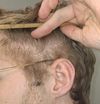
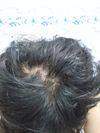
The user is experiencing hair loss and is considering increasing their dutasteride dosage or trying RU58841, but is concerned about the effectiveness and side effects. Other users suggest sticking with dutasteride 0.5 mg daily and adding oral minoxidil for better results.
The conversation humorously discusses using anal administration of Dutasteride as a novel method for treating hair loss, suggesting it could target DHT production more effectively. It includes satirical comments about the method's potential effects and absurd outcomes.
Exploring potential treatments for hair loss, with the focus being on comparing RU58841 and Pyrilutamide. Finasteride, Dutasteride, oral Minoxidil, microneedling, topical Minoxidil, Biotin, Zinc, Vitamin D and Nizoral are also discussed as part of a treatment stack.
The user has been using finasteride for hair loss and is considering adding RU58841. They ask about RU58841's effectiveness, potential heart side effects, duration of action, dosage increase over time, transitioning to GT20029, and where to find the liquid form.
A 27-year-old male with diffuse hair loss, including the donor area, did not respond to finasteride, dutasteride, or minoxidil. He suspects his hair loss may be linked to a mild connective tissue disorder, possibly affecting the structural support of hair follicles, rather than being purely hormonal.
Amplifica starting clinical trials for new hair loss drug. SCUBE3 protein discovered, stimulates hair growth, could be alternative to Minoxidil and Finasteride.
The conversation discusses a topical finasteride therapy with hydrocortisone butyrate, estrone base, and breviline. A user suggests oral finasteride as a superior option.
Using retinol with minoxidil may not be as effective as tretinoin, but retinaldehyde or adapalene could be alternatives. A micro-roller with minoxidil is suggested for better results.
User tried topical fin, dut, min, tret, hydrocortisone, microneedling, nizoral, collagen, propidren supplements, and laser helmet for hair loss with slow progress. They ask if topical spironolactone is a safer, effective alternative to RU for suppressing testosterone and treating hair loss in men.
The user applied 0.005% topical finasteride, minoxidil, tretinoin, caffeine, and ketoconazole shampoo for four months but saw no hair regrowth. Some users suggested increasing the finasteride dose or trying alternative treatments like clascoterone, pyrilutamide, or RU58841.
A 25-year-old is experiencing hair thinning despite using oral minoxidil, finasteride, and dutasteride, and is considering adding topical minoxidil. They also have seborrheic dermatitis and are advised to try ketoconazole shampoo or cream and possibly CBD with MCT oil.
The conversation is about testing the effectiveness of RU58841 for hair loss, with the user planning to increase their dose to 30 mg per day along with 20 mg of Minoxidil. The test results showed approximately 70 mg/ml, which the user considers a good result.
The user is considering starting a topical treatment for hair loss, using a spray containing 0.3% finasteride, 5% minoxidil, and 0.01% tretinoin. They are questioning the dosage and considering reducing the application to achieve 0.15% finasteride and 5% minoxidil.
Minoxidil and finasteride have stabilized hair loss but not significantly improved regrowth. The user is considering dutasteride, oral Minoxidil, or a hair transplant for better results.
A 28-year-old male experiencing diffuse thinning and miniaturization around the ears and back has tried finasteride, dutasteride, and both topical and oral minoxidil without success. He is seeking advice on identifying the type of hair loss and next steps since current treatments are ineffective.
A 30-year-old male with androgenic alopecia shows progress after using dutasteride (0.5 mg daily) and topical minoxidil (5% twice daily) for 3.5 months. Users suggest adding dermastamping for better results.
A 23-year-old is experiencing hair thinning at the crown and mid part, possibly due to vaping, and is using minoxidil, derma rolling, PRGF sessions, rosemary oil, ketoconazole shampoo, and vitamin D3 supplements. They are considering adding finasteride but are concerned about its side effects.
The user is experiencing slow but noticeable hair regrowth using 1mg finasteride daily, 5% minoxidil, microneedling, and vitamins. They have also adopted healthier lifestyle habits and are considering a hair transplant in the future.
A 30-year-old man experienced significant hair loss after starting testosterone replacement therapy (TRT), which did not improve with daily finasteride and minoxidil. He is considering restarting TRT and is seeking advice on using pyrilutamide or RU58841 to prevent further hair loss.
The user shared their 3.5-month progress using 1mg finasteride, topical minoxidil, and 0.5mg dutasteride, along with biotin, vitamin D, saw palmetto, and multivitamins. They reported improvements in hair regrowth with some dryness from minoxidil and use micro-needling weekly.
Experimenting with trestolone as a treatment for hair loss in an attempt to avoid DHT-related treatments such as finasteride and dutasteride, and discussing the potential effects of its receptor selectivity on the androgen receptors in the scalp.
A 32-year-old is documenting their 3-month progress in treating hair loss using 0.5 mg dutasteride, topical and 5 mg oral minoxidil, and Ducray Anaphase+ shampoo daily. They report slight libido reduction and increased eyebrow hair but are generally satisfied with the results and considering a hair transplant after a year.
MaximusDurkimus shares experience with 0.25mg Finasteride, Minoxidil-induced lupus, and less than 10mg RU58841 for hair loss. Plans to try 0.025% topical Finasteride with 5% Stemoxydine and possibly Tretinoin, Fluridil, or CB-03-01 in the future.
A 29-year-old male experiencing hair loss due to TRT is using minoxidil and dermarolling but is hesitant to use finasteride or dutasteride due to potential side effects. He is considering low level laser therapy (LLLT), PRP, ketoconazole shampoo, and oral minoxidil as additional treatments. A reply suggests that without a DHT blocker like finasteride or dutasteride, other treatments may not be effective long-term.
The user has been using finasteride, ketoconazole shampoo, oral minoxidil, and minoxidil foam for hair loss but feels their hair is not as thick as desired. They have stopped using RU58841 due to lack of results and are concerned about hair miniaturization despite these treatments.
The user is concerned about low DHT levels due to using saw palmetto in Foligain supplements and is considering trying finasteride. They seek advice on whether finasteride will also lower DHT and how to manage DHT levels.
A 23-year-old man with hair loss, despite using dutasteride, oral minoxidil, and RU58841, is considering bicalutamide for regrowth but is concerned about feminization. Alternatives like topical estrogen, JXL069, and spironolactone are discussed, with suggestions to explore thyroid levels and other potential underlying conditions.
The user has been using 1 mg finasteride daily for 3 months, with recent additions of 2.5 mg oral minoxidil and microneedling, and is seeing some hair regrowth. They are seeking opinions on their progress and discussing treatment options with others.
The user shared their 3-month progress using 2.5mg oral minoxidil, 0.5mg dutasteride, 5mg biotin, and a saw palmetto, green coffee, and menthol shampoo, reporting no hair shedding and some unwanted hair growth on the beard and back. They recommend starting with finasteride or dutasteride, especially for those under 18, and noted no side effects from their treatment.