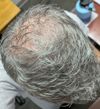
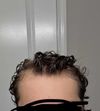
The user experienced significant hair shedding after one month of using finasteride 1 mg every other day and minoxidil 2.5 mg daily. They also use ketoconazole shampoo 2% every other day.
The conversation is about seeking alternatives to combine with Finasteride for hair loss treatment, specifically if not wanting to use Minoxidil. The user questions if anyone has tried Redensyl as a potential alternative.
A 21-year-old is experiencing hairline recession and is using finasteride, saw palmetto, gelatin, topical minoxidil with retinoic acid, derma stamping, and scalp massage to address it. Suggestions include adding oral minoxidil, vitamin D3 with K2, and maintaining the current regimen for a year.
A 36-year-old man shared his one-year progress using 1mg oral finasteride and 5% topical minoxidil twice daily, showing significant hair regrowth on his hairline, eyebrows, and beard. He reported no major side effects, except for some eye irritation from minoxidil application near the eyes.
A dermatologist advised stopping minoxidil and trying redensyl serum, while also starting finasteride. Concerns were raised about increased hair loss after stopping minoxidil.
Rotenone, a natural plant extract, may promote hair growth by increasing LDH activity and blocking MPC in the scalp, but it carries risks due to its toxicity. The suggested formulation includes Barbasco extract, DMSO, propylene glycol or PEG-400, ethanol, and a carrier oil.
A 41-year-old male is experiencing rapid hair loss at the crown and is considering starting finasteride and topical minoxidil. He is unsure whether to begin with 1mg or 0.5mg of finasteride and whether to delay using minoxidil.
The user discusses using Minoxidil for hair loss and is considering RU58841 to reduce excessive oil production. They seek advice on RU58841's effectiveness in blocking sebum production.
The conversation discusses using 0.1% retinol as a potential substitute for 0.01% tretinoin with minoxidil for hair loss treatment. It mentions that tretinoin is not easily available in some countries, and retinol might be less effective but less harsh on the scalp.
A 23-year-old is using 2.5 mg dutasteride, 5 mg oral minoxidil, RU58841, a laser cap, and PRF injections for hair loss. They are hesitant about microneedling due to concerns about RU58841 absorption and are considering other treatments.
The user added 0.5mg dutasteride to their regimen of topical finasteride and minoxidil but experienced rapid hairline recession despite reduced hair fall. Suggestions included increasing the dutasteride dosage to 1mg daily to better suppress DHT and potentially adding oral minoxidil.
The conversation discusses doubts about the effectiveness of topical finasteride for hair loss, suggesting that DHT could be produced elsewhere in the body and affect the scalp. It proposes that androgen receptor antagonists like spironolactone and clascoterone might be more effective as they could prevent this potential bypass mechanism.
Significant hair regrowth was achieved after 2.5 years of taking 1 mg finasteride daily, without using minoxidil or microneedling. Minor side effects included a slightly thinner beard and longer time to finish during sex.
A 25-year-old man has been on 0.5mg Finasteride daily for a year, maintaining his hair with some regrowth and plans to increase the dose to 1mg. Some suggest adding Minoxidil for better results, while he considers it if his condition worsens.
1 mg of finasteride is commonly prescribed because it is more effective for a larger number of people compared to lower doses, despite only slightly reducing serum DHT more than 0.2 mg. Serum DHT and scalp DHT are different, and 1 mg is believed to reduce scalp DHT more effectively, contributing to better hair growth results.
The user is experiencing diffuse hair loss due to high testosterone levels and has tried various treatments including finasteride, minoxidil, nanoxidil, keto/caffeine shampoo, dermarolling, and RU-58841 with limited success. They are seeking advice on safely lowering testosterone levels to manage hair loss.
A 24-year-old male experienced an increase in estradiol levels and symptoms like gynecomastia and excessive sweating after using Minoxidil for hair loss. His estradiol levels decreased after he stopped using Minoxidil.
Hair appears to be improving with a regimen of 1mg Finasteride daily, 5% topical Minoxidil once or twice a day, 4000 IU of Vitamin D, and cutting out nicotine. It's still early to determine the full effect.
RU58841 worsened hair condition, causing thinning and unusual patterns. The user stopped using it two months ago but hasn't seen recovery, and there's speculation about androgen receptor upregulation.
The conversation discusses a topical finasteride therapy with hydrocortisone butyrate, estrone base, and breviline. A user suggests oral finasteride as a superior option.
The conversation discusses using P5P (Vitamin B6) supplements to reduce elevated Prolactin levels and concerns about its potential effect on increasing DHT levels. The user is not currently using finasteride or any anti-androgens.
The user has been using 5% minoxidil with derma stamping and recently switched to foam, noticing more shedding. They are considering finasteride as the next step due to a family history of hair loss.
Using topical finasteride with creatine might help reduce hair loss by targeting local DHT while maintaining normal systemic levels, but results are uncertain without testing. Users report mixed experiences with topical treatments like finasteride, dutasteride, RU58841, and minoxidil, with some seeing regrowth and others experiencing side effects.
A user shared progress pictures after 5 months of using 1mg finasteride daily, 1ml minoxidil topically every night, and 1.5mm microneedling weekly. Responses included skepticism and congratulations.
The user has been using Finasteride 1mg daily for 13 years with stable results but is now experiencing thinning hair and is considering switching to Dutasteride 0.5mg. They are seeking advice on whether this change might be beneficial.
A 21-year-old started treatment for androgenetic alopecia and seborrheic dermatitis with oral finasteride, topical minoxidil, anti-dandruff shampoo, and a corticosteroid solution. After 1.5 months, they noticed increased hair density and are considering switching to oral minoxidil due to scalp issues.
A 23-year-old male shares a one-year update on using 1mg finasteride and 5% minoxidil daily for hair regrowth, recently adding Revita shampoo, 2.5mg minoxidil in the morning, and Vitamin and Zinc supplements. He plans to continue this regimen and has a hair transplant scheduled for July.
Blocking the Mitochondrial pyruvate carrier and using aldose reductase inhibitors like Indian gooseberry and berberine may help with hair growth. Magnesium can also be added to increase NADPH.