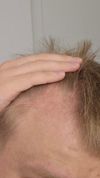
A user is using oral finasteride, oral dutasteride, and drinking topical minoxidil for hair loss, despite health warnings. Switching from finasteride to dutasteride did not improve hair density.
The user is experiencing a receding hairline and is considering treatments. They are seeking advice on whether to use finasteride, minoxidil, or both for hair preservation and potential regrowth.
A 36-year-old man with androgenetic alopecia suspects copper and zinc deficiencies may be accelerating hair loss and is supplementing copper to address this. He is also monitoring blood sugar levels due to previous prediabetes concerns and plans to test for insulin resistance.
A 29-year-old is experiencing diffuse hair loss and has been using minoxidil without success. They are now trying a routine with oral minoxidil, topical finasteride, and dermarolling, but are unsure about the effectiveness and legitimacy of the products.
The conversation discusses the potential for developing a biologic "DHT sponge" to neutralize DHT in the bloodstream as a treatment for hair loss, suggesting it could be more targeted and have fewer side effects than current treatments like finasteride and dutasteride. Concerns include the complexity, cost, and potential side effects of such a treatment, as well as skepticism about its feasibility and market interest.
The user has been using oral finasteride, minoxidil, and biotin for a year with minimal progress in hair regrowth. Many suggest a hair transplant and recommend switching to dutasteride and considering topical treatments.
The user experienced significant hair regrowth over two months using a regimen of daily minoxidil, daily finasteride, and weekly microneedling. They reported no major side effects, except for temporary watery loads, and emphasized the importance of consistency.
The user has been taking 1mg finasteride daily for a year with no improvement in hair loss and reports low cortisol levels, sleep issues, and anxiety changes. The conversation includes discussions on the potential effects of finasteride on cortisol and neurosteroids, with suggestions to consult a doctor and consider other factors.
Finasteride can cause oily skin and acne due to increased testosterone or sensitivity of androgen receptors. Some users find dutasteride results in less oily skin compared to finasteride.
A new supplement for hair growth combines black rice, prickly pear, and saw palmetto, showing promising results in increasing hair density and reducing hair loss. The supplement is considered a drug-free alternative to traditional treatments like minoxidil and finasteride.
The user switched from finasteride to dutasteride and experienced noticeable hair regrowth without side effects, though some users questioned the necessity of such a potent treatment given the minimal hair loss. The conversation also touched on potential side effects of dutasteride, such as reduced sperm quality, but the user reported no issues.
A 31-year-old male experienced hair thinning and initially used topical minoxidil, then switched to finasteride, which caused significant shedding. He later adopted a regimen of dutasteride, oral minoxidil, and anti-dandruff shampoo, leading to positive hair growth results, though he noted increased body hair as a side effect of oral minoxidil.
Breezula's phase 3 results are expected soon, with discussions on the effectiveness of androgen receptor antagonists like spironolactone and the potential of GT20029. Users express skepticism about new treatments and discuss the complexities of male pattern baldness, often relying on finasteride despite its side effects.
The conversation discusses a personal theory on the role of DHT in stress and reproduction, suggesting it converts testosterone for reproductive traits. The discussion includes skepticism and mentions individual differences in physiology and neurochemistry.
Teak leaf extract shows potential as a mild hair growth promoter for androgenic alopecia, with similar positive trends to minoxidil but without significant side effects. It can be made at home using dried teak leaves and ethanol, though its effectiveness compared to other treatments like finasteride is debated.
The conversation is about switching from finasteride to dutasteride for hair loss treatment. Users shared mixed experiences with side effects and effectiveness, with some preferring to stick with finasteride if it's working.
User experienced new hair growth after using Head and Shoulders 2-in-1 shampoo/conditioner, attributing it to pyrithione zinc reducing scalp inflammation and DHT. They seek others' experiences with anti-dandruff products.
A user tried microneedling for hair loss with a Dr. Pen at 0.8 mm and experienced bleeding, questioning if the intensity was too much. Others suggested a less aggressive approach, and one mentioned finasteride as a helpful treatment without side effects.
The conversation is a humorous discussion about excessive hair growth due to using minoxidil, with suggestions of laser hair removal and comments on the appearance of the hair. Some users joke about starting finasteride treatment at a young age or being non-responders to hair loss treatments.
Gugo Vine Bark shampoo is discussed as a potential hair loss treatment, but opinions vary on its effectiveness. Some suggest using proven treatments like finasteride, minoxidil, or ketoconazole instead.
Testosterone within the normal range does not significantly contribute to male pattern baldness (MPB); DHT is the main factor that can be controlled. Genetics play a crucial role in hair loss, and treatments like finasteride and dutasteride, which block DHT, can help despite potentially raising testosterone levels.
A user in their mid-40s shared a 12-month update on using finasteride for hair loss, showing significant improvement. They started seeing thicker hair and regrowth after 3 months, with no side effects noticed.
The discussion revolves around the need for future oral DHT blockers for hair loss treatment that don't have the side effects of current options like Finasteride and Dutasteride. One user suggests that the future of hair loss treatment will likely be topical anti-androgens, as they can target hair follicles without affecting the entire system.
Theaflavin, a black tea extract, may inhibit DHT and androgen receptor activity, but its effectiveness for hair loss is debated. Users report no significant improvement with theaflavin, while some find beta sitosterol helpful.
The conversation is about a person's hair loss treatment regimen, which includes Minoxidil, low-dose Finasteride, Pyrilutamide, weekly use of a derma roller, and hair loss shampoo. They chose these treatments to minimize systemic effects and plan to share their results for others' benefit.
The user is seeking advice on which treatment to add to their current regimen for male pattern baldness. They have previously tried Dutasteride, Nizoral, and oral Minoxidil, but experienced continued hair loss. They are specifically asking for experiences with RU58841, Stemoxydine, or Alfatradiol.
User on finasteride for a decade and oral minoxidil for a month asks about Nizoral shampoo's effectiveness and usage. Dermatologist suggests it may help with seborrheic dermatitis and hair loss, but not necessary; others share mixed opinions.
The conversation discusses using pumpkin seed oil, saw palmetto, fo-ti, and astaxanthin for hair loss, with additional use of Nizoral shampoo. Users express skepticism about regrowth and suggest adding a micro derm roller or considering minoxidil and finasteride for better results.
The user plans to pause finasteride for two months to test its effects on mood and productivity, then switch to Pyrilutamide while monitoring hormone levels. Concerns are raised about potential hair loss and the effectiveness of Pyrilutamide compared to finasteride.
Whey protein isolate may worsen androgenetic alopecia (AGA) due to its potential to increase DHT levels, but finasteride use has helped maintain hair. Some users suggest avoiding protein supplements due to possible contaminants and additives that could affect hair health.