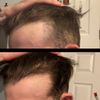
The user experienced noticeable hair regrowth after one year using finasteride and minoxidil, with improvements seen around 5-6 months. They report no side effects and use liquid minoxidil twice daily.
A user is seeking advice on ordering ethanol in the UK to use with topical finasteride, considering switching from isopropyl alcohol. They mention the possibility of purchasing 99.8% ethanol from eBay's 6 Science shop.
A 40+ year-old male used finasteride and minoxidil sprays daily, later adding a PEMF hat to his routine, resulting in noticeable hair regrowth in the crown area after 6 months. He plans to continue the treatment and update at 12 months.
Dutasteride in semen is considered a very small risk for partners, and fertility typically improves after stopping the medication. It is recommended to stop Dutasteride 3-6 months before trying to conceive to avoid potential impacts on fertility and fetal development.
Avoiding hair loss forums can reduce anxiety about treatments like finasteride. Some suggest using oral dutasteride and topical minoxidil for 6-12 months and checking updates periodically.
A 40-year-old male has been using 5% minoxidil foam and 1mg finasteride for 2.5 months, noticing darker and thicker hair. Users encourage him to continue the treatment, as results can take 6-9 months or longer.
A 20-year-old is concerned about hair progress after two months on finasteride and minoxidil. They are advised that initial shedding is normal and real progress may take 6-12 months, with stress possibly affecting results.
The user is considering a hair transplant for crown hair loss but is anxious about recovery and results. They are debating whether to try oral minoxidil for 6-12 months before surgery and whether to address their hairline during the transplant.
A 25-year-old switched from finasteride to dutasteride, experiencing significant hair regrowth and improved hair quality after 6 months, taking it three times a week. The user stopped finasteride entirely, citing dutasteride's longer half-life as more effective.
A 28-year-old male is experiencing temple regrowth but crown thinning while using 5mg minoxidil and 0.5mg dutasteride. The shedding phase is seen as a positive sign of treatment effectiveness, with expectations of noticeable improvements around 6 to 12 months.
A user shared their first-month progress using 0.25mg oral minoxidil and 0.5mg dutasteride daily for hair loss, noting some shedding and new hair growth without side effects. Another user mentioned experiencing intense shedding that decreased by week 6.
The user is using finasteride, dutasteride, minoxidil, and microneedling for hair regrowth, noting increased hair density and no side effects. They plan to update progress at the 6-month mark.
The user is considering switching from 0.25 mg oral finasteride to a 0.3% topical finasteride solution to see if it's more effective for hair loss. They also inquire about using 2.5 mg oral minoxidil with a 6% topical minoxidil solution.
The user experienced significant hair thickening after one year of using chewable finasteride (1.2 mg) and minoxidil (2.5 mg) without major side effects, except occasional low libido. The user sourced the treatments from Hims and noticed results around 5-6 months, with shedding lasting about two months.
A 20-year-old has been using topical minoxidil since 2021, oral finasteride since 2023, oral minoxidil for 6 months, and dutasteride for 2 months to combat hair loss but is still experiencing temple thinning. Suggestions include continuing medication, considering a future hair transplant, and taking monthly progress pictures.
The conversation discusses hair loss treatment with finasteride, where the user is experiencing shedding and concerns about regrowth. Users advise patience, suggesting that visible improvement may take 6-12 months or longer, and recommend continuing the treatment.
The user noticed tiny black hairs after using 5% topical minoxidil for 1.5 months and is unsure if it's due to the treatment. Another user suggests continuing minoxidil for at least 6 months and mentions that combining it with tretinoin and finasteride may improve results.
The user experienced intensified hair thinning after 10 years on finasteride and saw little improvement after switching to oral minoxidil and dutasteride for 8 months. Suggestions included continuing dutasteride for another 6-8 months, considering additional treatments like topical finasteride, and evaluating nutrition and other potential causes of hair loss.
A 26-year-old male is using oral minoxidil and finasteride to treat hair loss, experiencing prolonged shedding despite 6 months of treatment. Others share similar experiences, suggesting persistence with the treatment may eventually lead to improvement.
Concerns about finasteride affecting sperm quality and embryo abnormalities during IVF. The user plans to stop finasteride for 6 months and use minoxidil, microneedling, a red light cap, and saw palmetto shampoo to manage hair loss.
The user has been using RU58841 for about 2 months without noticeable results or side effects and is unsure if this duration is sufficient to judge its effectiveness. Other users suggest continuing the treatment for at least 6 months and ensuring the product's authenticity.
The user switched from finasteride from Ro to Amazon pharmacy and noticed increased hair shedding and thinning, questioning if it's normal shedding or if they need to adjust their treatment. They have been using finasteride and topical minoxidil for 6-7 months without seeing regrowth or shedding initially.
The user started using Minoxidil 5% foam and plans to begin finasteride in December, noticing less shedding but uncertain about regrowth after three weeks. Others suggest it takes at least 3-6 months to see significant results, with some recommending adding finasteride and possibly switching to oral Minoxidil.
The user started taking 5mg of oral Minoxidil and 1mg of Finasteride daily since May 2025, along with Vitamin D and Biotin supplements, but hasn't seen significant hair regrowth. They are advised to wait 6 to 12 months for results and consider using hair fibers in the meantime.
Finasteride can effectively slow or halt hair loss, even for those genetically predisposed to significant balding, like Norwood 6 or 7. Many users report long-term maintenance or improvement, often combining it with other treatments like Dutasteride or Minoxidil for better results.
Hair regrowth progress using finasteride, minoxidil, and dermarolling. Visible improvements started around month 6, with initial shedding from minoxidil.
The user is not seeing hair regrowth after 12 weeks of using topical minoxidil and oral dutasteride, despite being on finasteride for 18 months, and is considering adding tretinoin. Another user suggests continuing the current treatment for 6-12 months before making changes.
After a hair transplant, the user is concerned about not seeing new hair growth at 3 months, despite using dutasteride and minoxidil. It is advised to continue the treatment as new hair typically starts growing around 4 to 6 months post-surgery.
Derma-stamping can damage the scalp if done incorrectly; use 0.5-1.5 mm needles and avoid pressing too hard. It can enhance Minoxidil absorption when done weekly, with results visible in 3 to 6 months.