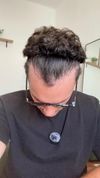
An 18-year-old experiencing hair loss is considering using minoxidil and finasteride after minimal growth with a serum containing procapil, redensyl, rosemary, anagain, and aminexil. A suggestion was made to consult a doctor and consider using finasteride and minoxidil if androgenetic alopecia is diagnosed.
The user has been using minoxidil, trioxidil, procapil, redensyl, and ashwagandha lotion for hair loss but can't find more procapil redensyl lotion. They are seeking advice on where to find it or alternative solutions.
Combining oral dutasteride with topical minoxidil and finasteride is being considered to improve hair regrowth. The user is concerned about potential side effects and seeks experiences from others.
The user has been using finasteride for three months without improvement and is considering switching to dutasteride due to ongoing hair shedding and side effects. They are also inconsistently using minoxidil.
The user is likely at Norwood 4 and is advised to use oral finasteride and topical minoxidil, with the option of a hair transplant after two years for a better hairline. Finasteride and minoxidil are considered sufficient to maintain and slightly improve current hair.
A 20-year-old experiencing crown thinning is using a topical minoxidil/finasteride treatment and is concerned about shedding. Shedding is common and temporary, lasting weeks to months, and it's advised to continue the treatment as results can take up to a year.
A 20-year-old is considering switching from applying a Minoxidil 5%/Finasteride 0.1% solution twice daily to once daily due to cost and convenience. It is suggested that applying once a day before sleep should still be effective if done consistently.
After a hair transplant, using finasteride and minoxidil is common to support graft survival and prevent future hair loss. Dermastamping can enhance effectiveness, while saw palmetto may offer weak DHT blocking benefits.
The user has been using 0.25% topical finasteride for eight months with slight improvement and is considering switching to oral finasteride for convenience and potentially better results. Increasing the topical concentration to 0.33% or 0.5% is also an option, but oral finasteride may have more systemic side effects.
A 30-year-old is experiencing hair thinning and is considering using finasteride to stop hair loss and possibly thicken existing thin hairs. They are unsure of their Norwood scale stage and seek advice on whether finasteride is suitable for their situation.
The conversation is about a user assessing their hair loss as Norwood 1.5 and discussing their use of oral minoxidil and finasteride for 2.5 years, which improved their hair density. They are content with their current progress but hope to reach Norwood 1.
Finasteride typically helps maintain the existing hairline and taking 0.5mg MWF is considered effective. Hair transplants remain an option if further treatment is needed.
Using a Derma stamp with 3-4 contacts per area in multiple directions is effective for hair growth. A 1.5 mm needle with a week's rest between sessions is recommended for optimal healing and results.
The user is questioning why they are not experiencing hair loss like their family members. They are considering whether genetics or preventive treatments like Minoxidil, finasteride, or RU58841 might be influencing their hair retention.
A 25-year-old is experiencing hair loss since 2022, possibly linked to post-COVID effects, and is hesitant to use minoxidil or finasteride due to side effects. They have tried shampoos, vitamins, and scalp massages with limited success and are seeking natural solutions.
The user is concerned about the quick prescription process for hair loss treatments like Minoxidil and Finasteride through HIMs, questioning the lack of a thorough evaluation. Another user reassures that such practices are common, emphasizing the effectiveness and low risk of these treatments, and suggests monitoring personal response to the medication.
The conversation discusses using oral finasteride and oral minoxidil as potential treatments for hair loss. The user is seeking advice on whether these treatments could help their condition.
Use topical minoxidil and dermarolling to help grow hair, but also take a DHT blocker like finasteride or dutasteride to address the underlying issue and prevent further hair loss.
The user is seeking a way to obtain 5mg finasteride in Germany, as local dermatologists refuse to prescribe it. They are considering online options but have only found 1mg pills available.
The user is considering whether to consult a hair loss specialist after letting their hair grow for two weeks, having previously shaved their head since age 26. They are contemplating continuing to shave if consulting a specialist seems unnecessary.
A 33-year-old with long hair is experiencing hair loss and is considering starting finasteride and minoxidil or dutasteride and minoxidil. They are seeking advice on which treatment to choose and where to purchase it in North America.
A user is developing a tool to track hair density, aiming to help those using treatments like minoxidil. They seek feedback on the tool's usefulness and are considering a low-cost model to cover expenses.
The conversation discusses hair loss treatments, specifically using topical minoxidil, oral finasteride, ketoconazole, and derma stamping. Users share their experiences, with one noting improved scalp health and slight regrowth, while another considers switching treatments due to lack of progress.
A user shared their 4-month post-hair transplant progress, noting they use oral minoxidil, oral finasteride, biotin pills, and a hair repair serum. They are pleased with the results and hope for increased hair density.
The user experienced significant hair regrowth over seven months using a combination of oral dutasteride, minoxidil, microneedling, vitamin D, biotin, zinc, and iron. They plan to continue treatments to prepare for a potential hair transplant.
Dutasteride mesotherapy was not effective for hair regrowth, leading to consideration of oral or topical dutasteride. Oral dutasteride is suggested as more effective and cost-efficient than mesotherapy, with some users experiencing side effects from finasteride.
A user shared their 4-month hair transplant progress with 3740 grafts, showing before and after pictures. They had a generally good experience, except for the anesthesia part.
Significant hair regrowth was achieved using a combination of Finasteride, Minoxidil, Dutasteride, and RU58841. The user switched from Finasteride to Dutasteride and added RU58841 for better results.