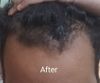
The conversation discusses hair loss treatments, specifically Minoxidil, finasteride, and RU58841. The focus is on setting realistic expectations for these treatments.
The user has been taking finasteride for nearly 5 years and is now adding dutasteride to their regimen to maintain hair loss prevention. They seek advice on transitioning from finasteride to dutasteride.
An 18-year-old male experiencing hair thinning for three years seeks advice on treatments like Minoxidil, finasteride, and RU58841. He is frustrated with the situation and wants to take action without resorting to shaving his head.
The user is considering using dutasteride or finasteride for hair loss and has recurrent folliculitis. Another user suggests treating the folliculitis and notes diffuse thinning.
The user's hair appears to have improved, looking thicker and healthier, especially around the temples, after using topical minoxidil, finasteride, dutasteride, and tretinoin. Most participants agree the last picture shows significant improvement, though one disagrees.
A 33-year-old male is starting treatment with oral dutasteride and topical minoxidil for hair regrowth. He is concerned about his receding hairline and hopes for some improvement despite years of balding.
The conversation discusses hair thinning and treatments like Minoxidil, finasteride, and RU58841. The user is concerned about distinguishing between natural hair parting and actual thinning.
A 17-year-old has been using Minoxidil for 3 months and dermastap for 2 weeks but feels they are losing progress. A suggestion was made to add finasteride 1 mg three times weekly.
Finasteride can affect sperm quality, but fertility usually returns after stopping it, as shown by a user who conceived four months after discontinuation. Some users successfully conceive while on finasteride, though some prefer to pause its use to minimize risks.
A user switched from finasteride to dutasteride and experienced continuous shedding but is now seeing some regrowth. Others shared similar experiences, noting that shedding can continue but hair often improves over time with dutasteride.
A 21-year-old male is using finasteride, minoxidil, and had a hair transplant to address lifelong thin, diffuse hair loss. Progress pictures show changes over two months.
The user plans to start oral finasteride and oral minoxidil for hair loss, despite previous side effects from finasteride. They intend to take both on a Monday, Wednesday, Friday schedule and are seeking advice on any additional considerations.
The user is experiencing hair thinning and is considering using minoxidil. They are concerned about the progression of hair loss and whether it will lead to complete baldness.
The user has been using topical minoxidil and finasteride for 1.5 years, which has thickened existing hair but left some areas thin. They suspect the treatment may be causing dandruff or seborrheic dermatitis and are seeking advice.
The conversation discusses combining topical and oral finasteride to address hair thinning, with concerns about safety and effectiveness. Users also mention alternatives like dutasteride and minoxidil, and the potential risks of topical treatments during pregnancy.
The user is considering buzzing their long hair to better assess the effects of finasteride, which they have been using for over two months, and is concerned about maintaining their unique appearance. They are also curious if dyeing short hair could cause any issues.
The user experienced significant hair regrowth and darkening after 4.5 months using 1 mg Finasteride and 5% Minoxidil. Despite improvements, they are still considering a hair transplant for a better hairline.
A user underwent a 2,550 FUE hair transplant and started taking dutasteride 0.5mg. They previously tried RU58841, minoxidil, and microneedling but avoided finasteride and dutasteride due to side effects.
Topical dutasteride is suggested as a low side-effect treatment for hair loss, with a proposed dose of 0.025% 1ml/day. It is considered better than finasteride due to its even inhibition of DHT isoforms and lower systemic absorption.
A user started taking 0.25mg of finasteride every other day to prevent hair loss and documented their experience. Initially, they felt anxious and had headaches, but by the second week, they felt normal with no side effects or changes in hair.
A 27-year-old man's experience with taking Finasteride to treat hair loss and the positive side effects he has experienced, such as improved skin. The user also shared their journey of how they were scared away from taking Finasteride due to fear of possible side effects before eventually deciding to take it.
A user who buzzed their hair, raising their confidence. Other users suggested trying finasteride to thicken the existing hair or using hair systems as an alternative. Additionally, toppik was suggested as a way to fill in thinning areas.
A compounding pharmacist offers affordable topical finasteride foam with Anagain and micro-dose finasteride capsules for hair loss. They provide telehealth services across Canada and private appointments for international patients.
The conversation discusses the potential effectiveness of hair loss treatments, with some companies claiming to have a cure by 2019-2025. Specific treatments mentioned include Minoxidil, finasteride, and RU58841.
The user has been using 1.25mg oral finasteride daily and 1ml topical minoxidil twice daily for six months, along with Nioxin Ketoconazole and Nizoral shampoos, and reports no side effects and noticeable progress despite experiencing significant shedding. They are unsure if the results are genuine or if any changes to the regimen are needed.
The user experienced hair regrowth using a combination of finasteride and minoxidil, but had to stop due to liver issues and switched to dutasteride. After resuming dutasteride and minoxidil, they faced absorption issues with minoxidil and sought advice on improving absorption.
PP405 is a promising hair growth stimulant but not a cure for advanced hair loss, as it may only help dormant follicles. Treatments like Minoxidil, Finasteride, and Dutasteride are discussed, with emphasis on early intervention for effectiveness.
A 29-year-old male experienced significant hair regrowth after 9 months using oral dutasteride and topical minoxidil twice daily. The results show almost full crown regrowth and some hairline improvement.
The conversation discusses using 2.5mg dutasteride, 0.5mg dutasteride with topical treatments, and other combinations like oral minoxidil, RU58841, and microneedling for male pattern baldness. Users share experiences and suggest various treatment regimens, emphasizing the effectiveness of dutasteride and minoxidil.
Users discussed hair loss treatments, specifically minoxidil and finasteride. They shared personal experiences and advice on starting these treatments early.