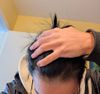
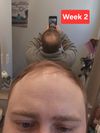
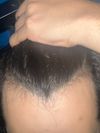
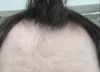
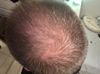
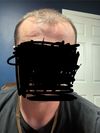
The user shared progress pictures of their hair after using Minoxidil and recently adding finasteride to their daily treatment. They are seeking feedback on their progress.
Switching from finasteride and minoxidil to dutasteride and minoxidil can potentially lead to over 40% improvement in hair thickness in some cases, especially in young individuals who have plateaued after initial success. Generally, a 20% improvement is expected after six months.
The user experienced hair shedding after 1.5 years on finasteride, with initial improvements followed by a decline. It is suggested to continue finasteride and consider adding topical minoxidil to support hair growth.
The user is considering reducing their finasteride dose from 2.5mg to 1.25mg to make the supply last longer and is concerned about potential changes in results. They have been using the 2.5mg dose for four months.
The user is documenting their hair regrowth journey using oral finasteride, topical minoxidil, ketoconazole, dermarolling, biotin shampoo, and rosemary oil. They are committed to maintaining this regimen to track progress.
The user shared progress pictures comparing hair from February 2024 to September 2025, using Dutasteride since May 2020 and Minoxidil since April 2023. Another user noted that progress can't be assessed without before and after photos spaced months apart.
The user has been using finasteride for 8 years and started using minoxidil foam 5% twice daily with micro-needling since May 2025. They experienced significant shedding starting in July and are seeking information on how long the shedding will last and when to expect positive results.
The user stopped using finasteride due to mental side effects but is concerned about hair loss. They are seeking affordable alternatives to finasteride, as their hairline is receding.
A 17-year-old is seeking affordable prescriptions for oral finasteride and minoxidil, considering lying about their age to use costplusdrugs. They are exploring telemedicine options, including Dr.B, to obtain the prescriptions.
The user is experiencing diffuse thinning and their dermatologist recommended starting with oral minoxidil due to its safer profile. They are seeking opinions on whether to start with minoxidil or consider finasteride, and are concerned about potential side effects.
The conversation discusses using RU58841 at a 2% concentration as an alternative due to side effects from finasteride. The user plans to start with a lower concentration and increase if necessary.
The user has been using 2.5 mg oral minoxidil and 0.5 mg dutasteride after 14 months on finasteride with no significant regrowth observed. They are considering increasing the dutasteride dosage and adding topical minoxidil with tretinoin to potentially improve hair growth.
A 33-year-old female with androgenic alopecia experienced alopecia areata patches after PRP treatment. She is seeking others' experiences with PRP worsening alopecia areata.
A Dutasteride Simulator predicts serum dutasteride, serum DHT, and scalp DHT levels using models from research papers. It simulates various dosing schedules to determine steady-state effects and visualizes outcomes, including hair growth-related scalp DHT suppression.
A user experienced chest discomfort after taking finasteride for hair loss and is concerned about whether it is a side effect or an allergy. They are advised to consult a doctor and consider other hair loss treatments if necessary.
A 22-year-old has been using minoxidil for 2 years and started finasteride a week ago to improve hairline density. They are advised to continue both treatments for potential improvement over time and consider styling or hair concealers for immediate visual changes.
A 24-year-old male is concerned about hair loss, possibly at Norwood stage 3 to 5, and has started using Minoxidil, shampoo, and hair fibers, while planning to get finasteride. He is worried about the shedding process affecting his progress.
An 18-year-old male has been taking oral finasteride 0.25 mg daily for almost four months to address hairline recession, experiencing mild sexual side effects like softer erections and lower libido. He also uses Tugain 5%, ketoconazole, and vitamins, noticing slowed shedding but no major regrowth, and seeks advice on managing side effects and hair loss.
A 15-year-old is concerned about hair loss, possibly at Norwood 2 or 3, and is using shampoos and conditioners recommended by a trichologist. Suggestions include considering topical minoxidil and consulting a doctor about topical anti-DHT treatments like finasteride or RU58841, but avoiding 5-alpha-reductase inhibitors at this age.
A dermatologist advised stopping oral Minoxidil for a 19-year-old and suggested a topical mix with Minoxidil, Finasteride, Tretinoin, and Melatonin, while continuing oral Finasteride. The user is curious about the effectiveness and side effects of switching to Dutasteride compared to the topical mix.
The user used minoxidil alone for 5 years and recently added finasteride, ketoconazole shampoo, bimatoprost, and dermarolling to their routine. They are hopeful for regrowth, as combining these treatments can address hair loss causes, but results may take up to a year.
After a hair transplant, the user is concerned about not seeing new hair growth at 3 months, despite using dutasteride and minoxidil. It is advised to continue the treatment as new hair typically starts growing around 4 to 6 months post-surgery.
A user is considering starting finasteride to prevent further hair loss and is unsure whether to add minoxidil immediately or later. They plan to try finasteride alone first to assess its effectiveness and consider adding minoxidil later if needed for regrowth.
The user switched from Finasteride to Dutasteride due to hair shedding but experienced potential side effects like puffy nipples. They are considering switching back to Finasteride and are concerned about regaining lost hair.
The user is considering cutting a 5mg finasteride pill into quarters to take 1.25mg daily due to concerns about side effects. They are also contemplating using 0.5mg of dutasteride instead.
A 25-year-old male has been using 5% Minoxidil, 1.25 mg Finasteride, and weekly microneedling for hair loss but sees no improvement after a year. Despite a healthy lifestyle, his hairline continues to recede, and he seeks advice.
A user was prescribed betamethasone dipropionate spray for a receding hairline, which caused skin peeling and depigmentation. They stopped using it and are considering alternatives like BPC-157/TB-500 for healing.
A 23-year-old male shares his 4-month hair regrowth progress using oral minoxidil, oral finasteride, collagen, biotin, keto shampoo, and dermarolling. He notices fuller hair but minimal visible change, and considers adding topical minoxidil despite concerns about consistency.