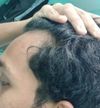
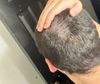
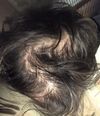
A 23-year-old male is experiencing rapid hair thinning and receding hairline, feeling emotionally drained. He has tried GFC, PRP, ketoconazole shampoo, and supplements without improvement and is considering minoxidil, finasteride, and possibly a hair transplant.
A user expressed concern about using low-dose topical finasteride while conceiving, but was reassured that the risk of affecting a fetus is negligible. The user stopped using finasteride during pregnancy and switched to minoxidil and ketoconazole, while others shared experiences and advice on using these treatments safely.
A 19-year-old experiencing hair loss for two years is using Minoxidil and topical finasteride. They are seeking advice on the type of balding they have and the best treatment approach.
A 29-year-old male on 1 mg Finasteride for 3 months has experienced a significant increase in testosterone and estradiol levels, with no major side effects except slightly oilier skin and increased emotional sensitivity. The user is concerned about these hormonal changes and seeks advice, as their general practitioner is not knowledgeable about the issue.
The user is seeking advice on preserving hair follicles at Norwood stage 6 or 7 while waiting for new treatments. They are considering using treatments like Minoxidil, finasteride, or RU58841.
A Stevia patch with Minoxidil showed positive results for hair growth in mice. A user experienced increased hair shedding after using finasteride for 12 months and briefly using minoxidil.
Finasteride significantly improved hair density and hairline over 3.5 years, with no major side effects reported. Users discussed the effectiveness of finasteride, with some considering adding or switching to minoxidil, and shared personal experiences and timelines for seeing results.
An 18-year-old in India is seeking a dutasteride prescription for aggressive hair loss, as family members are bald by age 20. Local doctors advised against it, so they are considering using Indian telemedicine apps for a prescription.
A 17-year-old is concerned about hair loss and is considering treatments like Minoxidil, finasteride, and RU58841. They feel uncertain about whether to start treatment.
Finasteride is effective in promoting hair growth and reversing hair miniaturization in men with androgenetic alopecia, with improvements seen in various studies over different durations. Some users report initial side effects like ball ache, which often resolve as the body adjusts.
A 25-year-old saw no improvement in hair loss after using finasteride for a year and oral minoxidil for six months. Alternatives like dutasteride, microneedling, and topical treatments were suggested, but results vary.
Switching from finasteride to dutasteride can cause increased hair shedding, which may last several months before potential regrowth. Some users suggest combining both medications or waiting up to a year for improvement, while others report better results with finasteride alone.
Quitting smoking led to reduced hair loss for the original poster, who also used finasteride and topical minoxidil. Other users shared mixed experiences with smoking and hair loss, with some noticing improvements after quitting and others seeing no change.
An 18-year-old male with hair loss is considering starting finasteride but is concerned about potential side effects like gynecomastia due to his prolactin levels. He seeks guidance on whether his bloodwork indicates it's safe to begin treatment.
The user improved diffuse thinning without finasteride by using minoxidil foam, cold showers, gentle hair drying, 2% ketoconazole, sulfate-free tea tree oil shampoo, dermastamping, and supplements like Omega-3, Vitamin-D, Biotin, Keratin, Collagen, B3, Zinc, and Magnesium. The regimen was followed for about six months under dermatologist guidance.
The user "OP" shared their hair loss journey, detailing their treatment regimen, which includes topical minoxidil, dutasteride, various vitamins, keto shampoo, derma rolling, and oils. They experienced significant shedding around month 6 but believe it has stopped, with hair regrowth resuming.
Significant hair regrowth was achieved using a combination of Finasteride, Minoxidil, Dutasteride, and RU58841. The user switched from Finasteride to Dutasteride and added RU58841 for better results.
A user is asking about the effectiveness and dosage of RU58841 for hair loss, comparing it to Minoxidil and discussing its long-term use alongside Finasteride. They plan to use RU58841 and Finasteride for several years before potentially switching to GT20029.
A novel hemp extract allegedly promotes better hair growth than minoxidil and finasteride, with minimal side effects, but the study's credibility is questioned due to potential bias and confounding factors like peppermint oil. Users express skepticism and suggest sticking with proven treatments like minoxidil and finasteride.
The conversation suggests that changing diet and lifestyle has little to no effect on male pattern baldness (MPB), which is largely determined by genetics. Some individuals noted personal improvements in hair condition with healthier diets, but the consensus is that diet alone cannot prevent or reverse MPB.
The post discusses allergens in everyday shampoos and skincare products, listing yearly allergens from 2000 to 2023. It suggests that these chemicals might contribute to acne and hair loss.
The conversation discusses anticipation for CB-03-01, a potential new hair loss treatment that may be more effective and have a cleaner safety profile than finasteride. Users are hopeful but cautious, discussing current treatments like minoxidil, nizoral, and dermarolling, and the possibility of combining them with CB-03-01 for better results.
The post discusses using Sandalore as a potential hair loss treatment, emphasizing precise measurements and safe handling. The user compares Sandalore's effects to Minoxidil and mentions preparing a solution with ethanol and DMSO.
Creatine may increase DHT levels, potentially causing hair loss in some people, though experiences vary. Treatments like finasteride or minoxidil are suggested to manage potential hair loss.
OP is using 5% minoxidil and a foligain supplement for hair loss, with blood test results showing high cortisol levels. OP is considering starting finasteride, while another user shares their experience with finasteride and hair loss challenges due to malabsorption issues.
Topical dutasteride is more effective than oral finasteride for male pattern hair loss, with fewer side effects. Some prefer oral treatments for convenience, while others use topical solutions like minoxidil and dutasteride, sometimes with microneedling, for better results.
A 26-year-old is considering switching from a finasteride and minoxidil blend to using dutasteride and minoxidil separately, with concerns about shedding and dosage changes. They are exploring options for sourcing and considering using ketoconazole shampoo to manage dryness.
The user is considering adding liposomal dutasteride to their hair loss treatment, which currently includes topical finasteride and minoxidil. They are exploring different concentrations and application frequencies to enhance hair retention and are also planning to continue using Rogaine.
A 22-year-old male has been using Minoxidil for 2.5 years and Finasteride for 8 months without significant improvement in hair loss. Despite adding supplements and other treatments, hair density remains low, and he seeks advice on further options.